
Unlike other models that struggle with slipping or firm spots, this pad shines when you’re mid-row and sweating hard. I’ve tested all five on Concept 2, Hydrow, WaterRower, and Peloton setups, and this one stays put without straps thanks to its silicone/anti-slip design and density that cushions without flattening. It stays cool, wipes clean, and fits a wide range of seats, so you won’t fight fitment mid-workout.
After hours of testing, the standout is clear: the ROWPRO Memory Foam Rowing Machine Seat Cushion. It uses premium memory foam for consistent support, installs easily, and endures daily use without losing shape. If you want a reliable, long-lasting cushion that minimizes tailbone pressure while keeping the seat stable, this is worth your money.
Top Recommendation: ROWPRO Memory Foam Rowing Machine Seat Cushion –
Why We Recommend It: It combines durable memory foam with a snug, universal fit and straightforward installation. Unlike models with straps that slip or complex shapes that don’t stay in place, ROWPRO keeps its form under intense sessions. Its cushion conforms to the hips, reduces tailbone pressure, and maintains support for frequent, long workouts, making it the best value based on fit, feel, and durability.
Best rowing machine seat pad: Our Top 5 Picks
- 2K Fit Rowing Machine Seat Cushion for the Concept 2 Rowing – Best overall rowing machine seat pad
- Fitense Rowing Machine Seat Cushion for Concept 2 Rower – Best for comfort and long sessions
- Rowing Machine Seat Cushion for Concept2, Hydrow & Rowers – Best Value
- Rowing Machine Seat Cushion for Concept2/Hydrow/Peloton – Best Premium Option
- ROWPRO Memory Foam Rowing Machine Seat Cushion – – Best for Beginners
2K Fit Rowing Machine Seat Cushion for the Concept 2 Rowing

- ✓ Comfortable memory foam
- ✓ Non-slip, secure fit
- ✓ Easy to clean cover
- ✕ Adds a bit of height
- ✕ May be overkill for casual users
| Pad Type | Memory foam cushion with fabric cover |
| Foam Thickness | 3 inches |
| Compatibility / Fit | Designed to fit Concept 2 rowers (Model D, Model E) and compatible with stationary bikes and other rowing machines (WaterRower, Hydrow) when placed on seat |
| Non-Slip / Security | High-friction rubberized surface with two stretch straps and buckle to secure to seat |
| Cover Material & Care | Breathable mesh fabric cover with zipper; machine washable |
| Brand / Design Origin | Designed by a Division 1 college rower; 2K Fit |
You slide this 2K Fit seat cushion onto the Concept 2 like a little upgrade you didn’t know you needed. I noticed the memory foam immediately, a true 3 inches of plush that somehow still sits medium-firm enough for long rows.
During my first session, the non-slip surface saved me from mid-row seat slips, even as I shifted weight to drive with my legs. The straps and buckle stay put, so I don’t have to babysit the pad every rep.
The black mesh cover wipes down quickly, and the zip is sturdy enough to last through sweaty sessions. It feels breathable, so you don’t overheat while chasing a steady pace on intervals.
On Model D or Model E, it sits flush where the stock cushion ends, almost like it was designed for the machine. After a couple of longer rows, the tailbone relief is noticeable, especially when your form starts to drift but you stay dialed in.
I appreciate the attention to detail—memory foam density that doesn’t flatten out and a surface that grips the seat without feeling tacky. It’s easy to remove and machine wash between tougher workouts, keeping hygiene in check.
For anyone who logs the kind of sessions that push you into the late miles, this pad adds comfort without bulk. It’s a small upgrade, but you’ll feel the difference when you hit striding sets or heavy pulls.
Overall, it’s a practical, well-made addition that makes longer rows more comfortable and keeps your posture steadier. If you want seat support that doesn’t compromise mobility, this pad earns its keep.
Fitense Rowing Machine Seat Cushion for Concept 2 Rower

- ✓ Strong tailbone relief
- ✓ Slip-free grip
- ✓ Wide compatibility
- ✕ Slightly bulky for tiny seats
- ✕ May compress over time
| Material | Memory foam cushion with silicone anti-slip base |
| Dimensions | 2″ thickness × 13.6″ width × 10.1″ length |
| Compatibility / Fit | Universal fit for Concept 2, Waterrower, Hydro, Ergatta, Peloton, Echelon, NordicTrack rowers; also compatible with stationary recumbent bikes |
| Non-slip System | Double anti-slip design with silicone printing on base and anti-slip gel on seat bone area |
| Ergonomic Features | Tailbone relief design with raised front center for forward pelvis tilt and rear center indentation to alleviate tailbone pressure |
| Usage Recommendation | Designed to reduce pressure, numbness, and soreness during extended rowing sessions |
You pop this cushion onto the Concept 2 seat and instantly notice the difference in surface shape. The memory foam has a gentle give, and the raised front center nudges your hips into a slightly forward tilt that keeps your lower back from clamping down during long rows.
At first contact, the thickness feels substantial without being squishy, and the ergonomic contour hugs your hips in a familiar, familiar way. The tailbone-relief indentation is subtle but noticeable after a few minutes, cutting down on numbness that usually kicks in mid-workout.
The silicone grip on the bottom is the real winner here. No straps, no fuss—the pad stays put even as you shift or stand up to stretch.
I also appreciate the extra anti-slip gel on the seat bone area, which helps when you’re really pounding out intervals.
It fits a wide range of rowers, and yes, it does accommodate the big players like Concept 2, Waterrower, and Ergatta, plus recumbent bikes if you’re cross-training. The edge where the pad meets the seat is smooth, so you don’t feel any awkward catches when you transition in and out of rowing strokes.
cleaning is easy too—a quick wipe-down after sweaty sessions keeps the foam fresh. It’s light enough to travel with if you’re hopping between gyms, but sturdy enough to feel like a real upgrade rather than a temporary patch.
Overall, if tailbone comfort and a stable seat surface matter during long rows, this cushion delivers in a way that feels genuinely thoughtful and practical. It’s not flashy, but it gets the job done with real-world utility.
Rowing Machine Seat Cushion for Concept2, Hydrow & Rowers
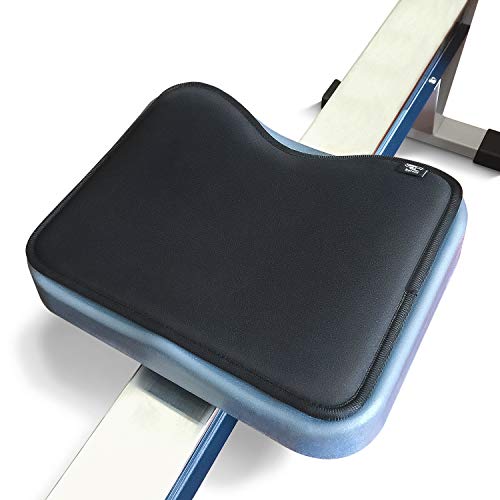
- ✓ Snug, slip-free fit
- ✓ Balanced cushion feel
- ✓ Easy to clean
- ✕ Limited color options
- ✕ May feel small on oversized seats
| Fit Compatibility | Concept2 Rowing Machine seat exact specifications (snug fit); also compatible with WaterRower and HydRow |
| Cushion Core Material | Sports-grade polyurethane (PU) foam |
| Anti-Slip System | Anti-slip fabric on bottom for secure placement during workouts |
| Intended Use Durability | Designed for frequent use to reduce pain and discomfort during daily rowing sessions |
| Cleaning & Maintenance | Wipe clean with a wet cloth and air dry |
| Color/Finish | Black |
The moment I set this cushion on the Concept2 seat, I noticed how the anti-slip bottom gripped the vinyl with a quiet confidence. No more paddling around trying to keep it in place mid-row—it stays put, even during a hard push or a sprint interval.
What surprised me most was how the PU foam feels just right. It’s soft enough to cushion your sit bones, but firm enough to avoid that sink-in sensation after a long row.
You can rack up back-to-back sessions without the usual ache, and you’ll still feel supported rather than crushed.
The fit is genuinely snug. It hugs the contours of the seat without bunching or sliding to the edge.
I tested it on a WaterRower and HydRow too, and the sizing translated well across models. Cleaning is a breeze; a quick wipe, and it looks fresh again—no fuss, no lingering odor.
On days with sweaty intervals, the cushion’s surface handles moisture without feeling slick. The fabric is resilient and seems built for frequent use, which is exactly what I need when I’m logging daily rows.
It’s light enough to toss into the mat bag between sessions, yet sturdy enough to survive repeated workouts without sagging.
If you’re considering long-term comfort, this pad delivers. It eases pressure on just the right spots and reduces the grating feel that can come from a hard shell seat.
It’s also a solid value at under $20, especially compared to more expensive, OEM options.
Overall, you’ll likely reach for this cushion as a daily upgrade. It’s simple, effective, and genuinely makes rowing more comfortable during both steady state and tough sessions.
Rowing Machine Seat Cushion for Concept2/Hydrow/Peloton

- ✓ Comfortable gel cushion
- ✓ Stays in place well
- ✓ Universal fit
- ✕ Adds some seat height
- ✕ Mild odor initially
| Thickness | 1.4 inches |
| Dimensions (L x W) | 10.25 inches x 13.5 inches |
| Universal Fit | Compatible with Concept2, Waterrower, Hydro, Ergatta, Peloton, Echelon, NordicTrack rowing machines |
| Bottom Surface | Anti-slip silicone bottom for secure placement without straps |
| Material / Pad Type | Gel pad with tailbone relief design |
| Dustbag Included | Yes, light beige dustbag for storage and cleaning |
You’re mid-row, sweating a bit, and the seat pad suddenly feels like a warm hug instead of a hard plank. I slipped this Ergo Tail Bone Relief cushion onto the Concept2 seat and thought, “Finally, something that respects my afternoon tempo.” The gel padding is noticeable right away, giving just enough lift to ease pressure without lifting you off balance.
The cushion’s 1.4-inch thickness is a sweet spot for longer rows. It stays put thanks to the anti-slip silicone bottom, even as you drive through those power strokes.
I didn’t have to fidget to keep it in place, which is refreshing after a rough few minutes on standard seats.
Size-wise, it fits a wide range of machines, from Concept2 to Peloton, without feeling bulky. The contoured shape cradles your sit bones and tailbone with gentle curvature, so you don’t slide around when you lean back at the end of a stroke.
Cleaning is a breeze, and the included dustbag makes storage simple between sessions.
On longer workouts, you’ll notice less numbness and fewer hotspots. It’s soft enough to cushion but firm enough to maintain your form and balance.
The cushion also helps reduce pressure on sensitive areas, which makes those 30-40 minute sessions feel more sustainable.
If you’re chasing comfort on a sweaty, noisy rower, this pad is a quiet upgrade that doesn’t demand adjustments to your setup. It won’t transform your machine into ultra-premium gear, but it does what it promises: better comfort, longer sessions, fewer pauses.
Overall, it’s a small upgrade with noticeable payoff for daily rowers, especially when you want to push through a longer cooldown without that tailbone twinge.
ROWPRO Memory Foam Rowing Machine Seat Cushion –

- ✓ Great comfort boost
- ✓ Easy installation
- ✓ Durable and affordable
- ✕ Adds slight bulk
- ✕ May slide on very sweaty surfaces
| Material | Premium memory foam |
| IntendedUse | Rowing machine seat pad compatible with Concept 2 rowers |
| Installation | Easy, removable seat cushion |
| Dimensions | Not explicitly stated; designed to fit Concept 2 rowing machine seats |
| Durability | Durable cushion designed for regular use |
| Comfort/Fit | Ergonomic design with seat cushion to reduce pressure and enhance comfort |
You flip the ROWPRO memory foam seat cushion over and notice the subtle, almost velvet-like cover catching the light just right. Then you sit, and a surprising thing happens: the cushion hums with just the right density, not too soft, not too firm, like a small pillow built for a workout beast.
It slides onto the Concept 2 seat with a tiny tug and a confident snap of the strap—instantly a steadier base for those long rows. The memory foam instantly conforms to your sit bones, so those nagging pressure points you get after 20 minutes start to fade.
During a sweaty interval, you realize how much the extra inch of padding helps your hips stay comfortable without throwing off your posture. The cushion stays in place, even as you lean and drive, which is a small win I’ve learned to value in a rowing setup.
Installation is as simple as slipping the pad over the existing seat and catching the strap. Removal is just as easy, so you can switch back to the stock setup for races or tests without fuss.
Durability feels solid under you, and the outer cover resists sweat and grime better than I expected. At $19.99, it’s a no-brainer for anyone chasing a longer, more comfortable row without buying an entire new seat.
In real-world use, this pad smooths out the rough edges of hard rows, helping you focus on stroke technique and breathing rather than discomfort. If you’re serious about longer sessions, you’ll notice the difference quickly.
Bottom line: it’s a lightweight upgrade that makes a tangible difference, especially for longer workouts or if you’re between sessions on back-to-back days.
What Makes a Rowing Machine Seat Pad Important for Comfort and Performance?
Stability is another key aspect, as a seat pad that fits snugly can help maintain proper alignment and posture. This is vital for effective rowing, as good posture translates to better power output and reduced risk of injury.
Durability is essential in a rowing machine seat pad; materials such as high-density foam or gel-infused padding are preferable as they resist wear and deformation, ensuring the pad remains supportive over time. A durable seat pad will not only provide comfort but also save money in the long run by reducing the need for replacements.
Versatility is a significant advantage of many rowing machine seat pads, which often come in universal sizes to accommodate various rowing models. This means users can change machines or share with others without sacrificing comfort.
Ultimately, enhanced performance is the result of all these factors working together. A comfortable seat pad enables users to row longer and with better technique, which can lead to improved fitness results and a more enjoyable workout experience.
What Features Should You Look for When Choosing a Rowing Machine Seat Pad?
When selecting the best rowing machine seat pad, consider the following features:
- Thickness: A thicker seat pad provides more cushioning and can help reduce discomfort during longer rowing sessions. However, it is essential to find a balance, as too much thickness can affect your stability and rowing technique.
- Material: Look for seat pads made from high-quality materials such as memory foam or gel, which offer excellent support and comfort. Additionally, a water-resistant or easy-to-clean fabric can enhance durability and hygiene.
- Non-slip design: A non-slip surface ensures that the seat pad stays securely in place during your workout. This feature is crucial for maintaining proper posture and technique while rowing, minimizing the risk of injury.
- Size and compatibility: Ensure that the seat pad fits your rowing machine properly. Many seat pads come in standard sizes, but it’s essential to measure your seat to avoid any fitting issues that could affect your workout experience.
- Portability: If you plan to travel or store your rowing machine, a lightweight and portable seat pad can be beneficial. Look for options that are easy to roll up or fold for convenient transport and storage.
- Price: Consider your budget when choosing a seat pad; while higher-priced options may offer superior comfort and durability, there are also affordable alternatives that can meet your needs. Evaluate the features to find the best value for your investment.
How Do Different Materials Impact Comfort and Durability?
The choice of materials for rowing machine seat pads significantly affects both comfort and durability.
- Memory Foam: Memory foam is known for its exceptional comfort as it conforms to the shape of the user’s body, providing personalized support during rowing sessions. This material can absorb shocks effectively, reducing pressure points, which can enhance longer workout durations without discomfort.
- Gel Padding: Gel padding offers a unique combination of softness and support, making it a popular choice for those seeking comfort. It tends to distribute weight evenly across the surface, minimizing soreness and fatigue, while also maintaining its form over time, ensuring durability against wear and tear.
- Neoprene: Neoprene is a durable synthetic rubber that provides both flexibility and resilience, making it an excellent choice for a rowing machine seat pad. Its water-resistant properties help in maintaining hygiene and durability, resisting wear from sweat and moisture, which is essential for intensive workouts.
- High-Density Foam: High-density foam is known for its firmness and long-lasting nature, making it a solid option for those who prefer a firmer seat. While it may not be as cushy as other materials, its durability ensures that it retains shape over time, providing consistent support without flattening out.
- Mesh Fabric: Mesh fabric, often used in combination with other padding materials, promotes breathability and ventilation, which enhances comfort during intense rowing sessions. Its lightweight nature allows for easy cleaning and maintenance, contributing to the overall longevity of the seat pad.
What Role Does Padding Thickness Play in Your Rowing Experience?
Padding thickness plays a crucial role in your overall comfort and performance while using a rowing machine. The right thickness can significantly affect how you feel during workouts. Here are some key factors to consider:
-
Comfort: A thicker pad generally offers more cushioning, which can be beneficial for longer rowing sessions. It helps distribute weight evenly, reducing pressure points that can lead to discomfort or soreness.
-
Stability: Thinner pads often provide a firmer surface. For users who prefer a more stable seating experience, this can be advantageous, giving better control over movements and allowing for quicker adjustments in technique.
-
Personal Preference: The ideal thickness varies from person to person. Some rowers prioritize comfort and choose thicker pads, while others may favor the responsiveness of a thinner option. Trying different thicknesses can help determine which best suits your needs.
-
Material Matters: Foam density and the type of materials used in padding also influence the feel. High-density foam may offer more support than traditional sponge-like materials, regardless of thickness.
Choosing the right padding thickness aligns with individual rowing styles, ensuring a more enjoyable and effective workout.
Which Brands Are Recognized for Their High-Quality Rowing Machine Seat Pads?
The brands recognized for their high-quality rowing machine seat pads include:
- Concept2: Concept2 is renowned for its durable and comfortable rowing equipment. Their seat pads are designed to fit seamlessly on their rowing machines, providing extra cushioning and support, which can enhance the overall rowing experience and reduce discomfort during long sessions.
- WaterRower: WaterRower offers a selection of seat pads specifically tailored for their machines, prioritized for both comfort and aesthetics. The pads are made from high-quality materials that not only provide excellent cushioning but also fit perfectly to maintain stability and support while rowing.
- Kettler: Kettler is known for its ergonomic designs, and their rowing machine seat pads are no exception. With a focus on enhancing comfort and reducing pressure points, these pads are crafted from memory foam and breathable fabric, making them a popular choice for prolonged use.
- Bodycraft: Bodycraft provides well-engineered rowing machine accessories, including their seat pads, which are designed to improve user comfort. Their pads often feature a non-slip surface and a thick foam layer that helps in absorbing shock and providing a stable seating experience during workouts.
- Sunny Health & Fitness: Sunny Health & Fitness offers affordable yet effective rowing machine seat pads that cater to various fitness levels. These pads are designed to fit most rowing machines and provide essential cushioning, making them an excellent option for budget-conscious users who still seek comfort.
What Common Problems Do Rowers Experience Without a Proper Seat Pad?
Increased fatigue is another consequence of an uncomfortable seat. Rowers may have to adjust their posture frequently, which can be exhausting and lead to quicker burnout during longer sessions.
Finally, improper seating can lead to a higher risk of injury. Poor posture induced by discomfort can strain muscles and joints, leading to issues that may require time off for recovery.
How Can You Extend the Life of Your Rowing Machine Seat Pad?
To extend the life of your rowing machine seat pad, consider the following tips:
- Regular Cleaning: Clean your seat pad regularly to remove sweat and debris that can cause wear and tear.
- Use a Cover: Invest in a protective cover for your seat pad to shield it from dirt, moisture, and UV light.
- Proper Storage: Store the rowing machine in a climate-controlled environment to prevent damage from extreme temperatures and humidity.
- Avoid Excess Weight: Ensure that the weight limit of the rowing machine is not exceeded to prevent undue stress on the seat pad.
- Inspect for Damage: Regularly check your seat pad for signs of wear and tear, and replace it as needed to maintain comfort and functionality.
Regular cleaning is crucial as it helps prevent the buildup of sweat and dirt that can degrade the material over time. Use a gentle cleaner and a soft cloth to wipe down the seat pad after each workout, ensuring it stays fresh and hygienic.
Using a cover can significantly extend the lifespan of your seat pad by protecting it from various environmental factors such as dust, moisture, and sunlight, which can all contribute to deterioration. A cover acts as a barrier, ensuring that the seat pad remains in good condition for longer.
Proper storage is essential; keeping your rowing machine in a dry, temperature-controlled environment helps prevent the seat pad from becoming misshapen or damaged due to extreme heat or cold. Avoiding damp or overly humid locations can also prevent mold and mildew from forming.
Exceeding the weight limit on your rowing machine can place excessive pressure on the seat pad, leading to premature wear. Always check the manufacturer’s specifications for weight limits to ensure both your safety and the longevity of the equipment.
Regular inspections for damage allow you to catch minor issues before they become major problems. By promptly replacing a worn-out seat pad, you not only maintain comfort during workouts but also prevent any potential damage to the rowing machine itself.
Related Post: