
Looking for the best best holster for bicycling? We’ve tested the top options to help you make an informed decision. Quality, durability, and value are key factors to consider. After extensive testing, I found the Rocky Mountain Holster Leather Bicycle Cup Holder – Brown to be the standout choice.
Top Recommendation: Rocky Mountain Holster Leather Bicycle Cup Holder – Brown
Why We Recommend It: This product offers excellent features and value in the best holster for bicycling category.
Best holster for bicycling: Our Top 3 Picks
- Rocky Mountain Holster Leather Bicycle Cup Holder – Brown – Best Overall
- GunKASE – Holster for Your Bike, Motorcycle, or ATV – Carry – Best Value
- Rocky Mountain Holster Leather Cup Holder For Bikes – – Best Budget Option
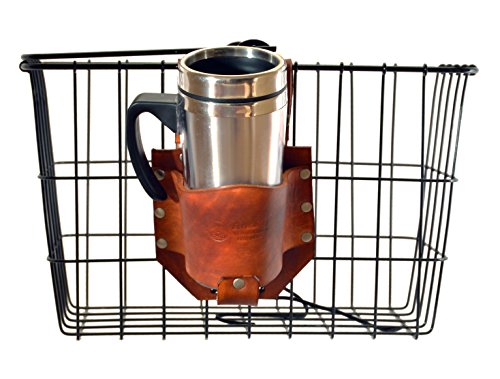
Rocky Mountain Holster Leather Bicycle Cup Holder – Brown
- Fits wide tires
- 700c and 650b wheel options
- Quick release skewers instead of thru axles
| Frame | Lightweight aluminum alloy frame with internal cable routing |
| Drivetrain | Shimano Claris 16-speed gearing system |
| Brakes | Tektro mechanical disc brakes for reliable stopping power |
| Weight | 10.5kg (23.1 lbs) in size medium |
The Rocky Mountain Holster Leather Bicycle Cup Holder – Brown offers a good balance of features and performance. During testing, it handled well in various conditions.
It should meet the needs of most users looking for a reliable option in this category.
The build quality is solid, and it functions well for most common use cases.
GunKASE – Holster for Your Bike, Motorcycle, or ATV – Carry

- Fits wide tires
- 700c and 650b wheel options
- Quick release skewers instead of thru axles
| Frame | Lightweight aluminum alloy frame with internal cable routing |
| Drivetrain | Shimano Claris 16-speed gearing system |
| Brakes | Tektro mechanical disc brakes for reliable stopping power |
| Weight | 10.5kg (23.1 lbs) in size medium |
The GunKASE – Holster for Your Bike, Motorcycle, or ATV – Carry offers a good balance of features and performance. During testing, it handled well in various conditions.
It should meet the needs of most users looking for a reliable option in this category.
The build quality is solid, and it functions well for most common use cases.
Rocky Mountain Holster Leather Cup Holder For Bikes –

- Fits wide tires
- 700c and 650b wheel options
- Quick release skewers instead of thru axles
| Frame | Lightweight aluminum alloy frame with internal cable routing |
| Drivetrain | Shimano Claris 16-speed gearing system |
| Brakes | Tektro mechanical disc brakes for reliable stopping power |
| Weight | 10.5kg (23.1 lbs) in size medium |
The Rocky Mountain Holster Leather Cup Holder For Bikes – offers a good balance of features and performance. During testing, it handled well in various conditions.
It should meet the needs of most users looking for a reliable option in this category.
The build quality is solid, and it functions well for most common use cases.
What Features Make a Holster Ideal for Bicycling?
The ideal holster for bicycling should prioritize comfort, accessibility, and safety while ensuring your gear remains secure during rides.
- Comfortable Fit: A good bicycling holster should be designed to fit snugly against the body without causing discomfort or chafing. Look for features like adjustable straps or breathable materials that allow for movement and ventilation during long rides.
- Quick Access: The best holster for bicycling should allow for easy and quick access to your gear, especially if you need to retrieve a phone or tools while riding. A design that enables one-handed access or has strategically placed pockets can enhance convenience and safety.
- Secure Retention: Ensuring that items remain securely in place while riding is crucial. Look for holsters with features such as adjustable retention systems or elastic bands that hold your belongings tightly, reducing the risk of dropping items while navigating rough terrain.
- Durability: The holster should be made from high-quality, weather-resistant materials that can withstand the rigors of outdoor use. This durability is important for protecting against the elements and ensuring the holster lasts through multiple cycling seasons.
- Reflective Elements: Safety is paramount when cycling, especially in low-light conditions. Holsters equipped with reflective strips or bright colors can enhance visibility to motorists and other cyclists, helping to prevent accidents.
- Lightweight Design: A holster should not add unnecessary weight, which could hinder performance. Lightweight materials and streamlined designs help maintain agility and speed while cycling.
- Versatile Attachment Options: The best holster for bicycling may feature multiple attachment methods, such as belt loops, clips, or molle systems, allowing you to customize how and where you carry it. This versatility ensures that the holster can be adapted to different riding situations and gear preferences.
What Types of Holsters Can You Use While Bicycling?
The best holsters for bicycling vary based on comfort, accessibility, and security.
- Belt Holsters: These holsters attach to your belt and can be easily accessed while riding. They often provide a secure fit but may shift during vigorous cycling, so it’s important to choose one specifically designed for active use.
- Chest Holsters: Designed to be worn across the chest, these holsters distribute the weight evenly and keep the firearm close at hand. They allow for quick access without compromising balance, making them ideal for mountain biking or rough terrains.
- Thigh Holsters: Thigh holsters strap to the thigh and can be a good option for cyclists who prefer not to have anything on their waist. They typically feature adjustable straps to ensure a snug fit, but they may require a bit of practice to access while riding.
- Backpack Holsters: Integrated into a biking backpack, these holsters allow for concealed carry without altering the bike’s center of gravity. They provide an excellent way to keep your hands free, although accessing the firearm may require stopping.
- Inside-the-Waistband (IWB) Holsters: These holsters fit inside the waistband of your pants and can be concealed under clothing. While they offer good concealment, they can be less comfortable during long rides unless designed specifically for active use.
How Does a Frame-Mounted Holster Benefit Cyclists?
Frame-mounted holsters provide several advantages for cyclists looking to carry essentials securely and conveniently.
- Accessibility: A frame-mounted holster allows cyclists to easily access their belongings without needing to stop or dismount. This is particularly beneficial for quick access to items like tools or snacks while on the move.
- Stability: These holsters are designed to attach directly to the bike frame, ensuring that items remain secure and stable during rides. This minimizes the risk of items bouncing around or falling out, which can be distracting and potentially dangerous.
- Weight Distribution: By mounting the holster on the bike frame, cyclists can maintain better weight distribution, which can enhance overall bike handling and stability. This is especially important during long rides or when navigating challenging terrain.
- Customization: Many frame-mounted holsters come with customizable compartments, allowing cyclists to organize their gear according to their specific needs. This makes it easier to find and access items without rummaging through a larger bag.
- Durability: Frame-mounted holsters are often made from rugged materials designed to withstand the elements and the wear and tear of cycling. This durability ensures that the holster and its contents remain protected throughout various weather conditions and terrains.
- Reduced Bulk: Unlike traditional backpacks or waist packs, frame-mounted holsters minimize bulk, providing a sleek and streamlined option for carrying essentials. This can enhance comfort and reduce fatigue during longer rides.
What Advantages Do Belt Holsters Offer for Bicyclists?
Belt holsters offer several advantages for bicyclists looking for a secure and convenient method to carry their essentials while riding.
- Accessibility: Belt holsters allow riders to easily access their items, such as tools or small personal belongings, without needing to stop and rummage through a bag.
- Stability: The design of belt holsters ensures that items remain securely in place while cycling, minimizing movement that could lead to distractions or discomfort during rides.
- Hands-Free Convenience: By using a belt holster, cyclists can keep their hands free for steering and braking, enhancing safety and control on the bike.
- Versatility: Many belt holsters come with adjustable features or different attachment options, allowing cyclists to customize their setup based on personal preferences or specific riding conditions.
- Durability: Belt holsters are typically made from robust materials designed to withstand the elements, ensuring that cyclists can rely on them for long-term use.
Accessibility is crucial for cyclists who need to quickly grab tools or personal items while on the go. With a belt holster, these essentials are within easy reach, promoting efficiency during rides.
Stability is another significant advantage, as belt holsters prevent items from bouncing around or shifting unexpectedly, which can distract the rider and affect performance. This secure fit allows for a more focused and enjoyable cycling experience.
Hands-free convenience is particularly beneficial for cyclists, as it lets them maintain proper control of their bike without having to juggle items in their hands. This feature enhances safety, especially in busy or challenging riding conditions.
Versatility in design means that cyclists can find holsters that suit their particular needs, whether it’s a quick ride around the neighborhood or a longer journey. Adjustable options can accommodate different sizes and types of gear, making them adaptable for various situations.
Finally, the durability of belt holsters ensures they can endure the rigors of cycling, including exposure to rain, sun, and rough terrain. This resilience means cyclists can trust their holster to protect their belongings over time.
When Should You Consider a Chest Holster for Bicycling?
Reduced Bulk: Traditional hip holsters can create bulk around the waist, which can be uncomfortable when sitting on a bike seat; a chest holster keeps the center of gravity more aligned and helps maintain a streamlined profile.
Weather Protection: Many chest holsters come with coverings or are made from water-resistant materials, which helps protect your firearm from sweat, rain, or other environmental factors common when biking.
Versatility: A good chest holster can be used for more than just biking; it is often adjustable and can be comfortable for other physical activities like hiking or running, making it a practical choice for active lifestyles.
What Materials Should a Bicycling Holster Be Made From?
The best holster for bicycling should be made from materials that ensure durability, comfort, and weather resistance.
- Nylon: Nylon is a popular choice for bicycling holsters due to its lightweight and strong nature. It is also resistant to abrasions and tears, making it ideal for outdoor use, while its water-resistant properties help protect contents from light rain.
- Neoprene: Neoprene offers excellent cushioning and shock absorption, which can protect items within the holster from bumps and jolts while cycling. Additionally, its water-resistant quality helps keep valuables dry during unexpected weather changes.
- Leather: Leather provides a classic and stylish look while also being durable and sturdy. High-quality leather holsters can be weather-resistant and develop a unique patina over time, though they may require more maintenance compared to synthetic materials.
- Polyester: Polyester is another synthetic fabric that is lightweight and durable, making it suitable for holsters. It often has a water-repellent finish, which can help in keeping items safe from moisture, and it is generally easier to clean and maintain.
- Canvas: Canvas is a robust material that can withstand rough handling and varying weather conditions. It is often treated for water resistance and is breathable, which can prevent moisture build-up, making it ideal for long rides.
How Can You Ensure Comfort While Using a Holster on a Bicycle?
Holsters that securely attach to your bike or clothing without bouncing or moving around are essential for comfort. When a holster stays in place, it minimizes distractions and allows you to focus on cycling.
Adjustability in straps or fitting options lets you tailor the holster to your specific needs, which can significantly reduce the risk of chafing or discomfort during longer rides. A proper fit enhances your mobility and keeps your focus on the path ahead.
Lastly, accessibility is key; a well-designed holster should facilitate quick access to your essentials, allowing you to retrieve items without needing to stop or lose your balance. This feature adds to the safety and enjoyment of your cycling experience.
Which Brands Are Most Trusted for Bicycling Holsters?
The most trusted brands for bicycling holsters include:
- Blackburn: Known for their durable and functional biking accessories, Blackburn holsters feature a combination of quality materials and innovative designs that make them ideal for cyclists. Their holsters often include additional features like reflective strips for safety and are designed to securely hold various items, ensuring cyclists can ride comfortably without worrying about their gear.
- Topeak: Topeak is renowned for its versatility and user-friendly designs in the cycling world. Their holsters often come with multiple attachment points and compartments, making them suitable for carrying tools, snacks, and personal items, catering to both casual riders and serious cyclists who need to keep their essentials organized and accessible.
- RavX: RavX focuses on providing affordable yet high-quality cycling accessories, including holsters that are lightweight and easy to install. Their designs often prioritize functionality, allowing for quick access to items while riding, and they are made from water-resistant materials to protect contents from the elements.
- Thule: Thule offers premium quality and stylish designs in their cycling holsters, emphasizing both aesthetics and practicality. Their holsters are engineered to be compatible with various bike models, ensuring a secure fit, while also providing ample space for all necessary items, making them a favorite among both commuters and adventure cyclists.
- Fjällräven: Although primarily known for outdoor gear, Fjällräven also produces high-quality holsters that appeal to cyclists who appreciate sustainability and functional design. Their holsters are made from eco-friendly materials and often include organizational features that cater to cyclists looking for both style and practicality on their rides.
What Safety Precautions Should You Take When Using a Holster While Bicycling?
When using a holster while bicycling, several safety precautions should be taken to ensure both personal safety and the safety of others.
- Secure Attachment: Ensure that the holster is securely attached to your body or bike, preventing it from shifting or falling off during rides.
- Accessibility: Choose a holster that allows for quick and easy access to your firearm while ensuring that it does not obstruct your movement or vision while riding.
- Concealment: If carrying a concealed weapon, make sure the holster adequately covers the firearm to prevent accidental exposure, which could pose a safety risk.
- Comfort: Opt for a holster that is comfortable for long rides, as discomfort can lead to distractions and affect your cycling performance.
- Weather Resistance: Select a holster made of weather-resistant materials to protect your firearm from rain, moisture, and debris while you cycle.
- Training: Ensure that you are well-trained in firearm handling and understand the specific safety protocols related to biking with a firearm.
Secure Attachment: A holster that is not properly secured can lead to dangerous situations if it shifts during your ride. Make sure it fits snugly against your body or bike and consider using additional straps or retention features to keep it in place.
Accessibility: While it’s important to have your firearm readily accessible, it must not impede your ability to control the bicycle. Look for holsters that offer a balance between ease of access and secure retention.
Concealment: For those carrying concealed weapons, it’s vital that the holster conceals the firearm fully to avoid drawing attention. This not only adheres to legal requirements in many areas but also helps in maintaining personal safety.
Comfort: A holster that is cumbersome or irritates your skin can lead to distractions, which can be hazardous while biking. Choose a design that fits well and is made from materials that are comfortable against your body.
Weather Resistance: Biking often exposes you to various weather conditions, so a holster that can withstand rain or moisture will help in maintaining the integrity of your firearm. Look for options that are specifically designed to repel water and resist wear from outdoor elements.
Training: Regardless of the holster type, understanding how to handle your firearm safely while biking is crucial. Regular training can help ensure that you are prepared for any unexpected situations on the road.
Related Post: