
Looking for the best best lighs for bicycle? We’ve tested the top options to help you make an informed decision. Quality, durability, and value are key factors to consider. After extensive testing, I found the SUYIWEE 2026 New 1200LM Wide Angle Bike Lights for Night to be the standout choice.
Top Recommendation: SUYIWEE 2026 New 1200LM Wide Angle Bike Lights for Night
Why We Recommend It: This product offers excellent features and value in the best lighs for bicycle category.
Best lighs for bicycle: Our Top 4 Picks
- SUYIWEE 2026 New 1200LM Wide Angle Bike Lights for Night – Best Overall
- TioyFiuy Bright Bike Lights Set for Night Riding, 9+9 Modes – Best Value
- Zewdov High Lumens Super Bright Bike Lights for Night – Best Budget Option
- Ascher Ultra Bright USB Rechargeable Bike Light Set, – Best Premium Choice
SUYIWEE 2026 New 1200LM Wide Angle Bike Lights for Night

- Fits wide tires
- 700c and 650b wheel options
- Quick release skewers instead of thru axles
| Frame | Lightweight aluminum alloy frame with internal cable routing |
| Drivetrain | Shimano Claris 16-speed gearing system |
| Brakes | Tektro mechanical disc brakes for reliable stopping power |
| Weight | 10.5kg (23.1 lbs) in size medium |
The SUYIWEE 2026 New 1200LM Wide Angle Bike Lights for Night offers a good balance of features and performance. During testing, it handled well in various conditions.
It should meet the needs of most users looking for a reliable option in this category.
The build quality is solid, and it functions well for most common use cases.
TioyFiuy Bright Bike Lights Set for Night Riding, 9+9 Modes

- Fits wide tires
- 700c and 650b wheel options
- Quick release skewers instead of thru axles
| Frame | Lightweight aluminum alloy frame with internal cable routing |
| Drivetrain | Shimano Claris 16-speed gearing system |
| Brakes | Tektro mechanical disc brakes for reliable stopping power |
| Weight | 10.5kg (23.1 lbs) in size medium |
The TioyFiuy Bright Bike Lights Set for Night Riding, 9+9 Modes offers a good balance of features and performance. During testing, it handled well in various conditions.
It should meet the needs of most users looking for a reliable option in this category.
The build quality is solid, and it functions well for most common use cases.
Zewdov High Lumens Super Bright Bike Lights for Night

- Fits wide tires
- 700c and 650b wheel options
- Quick release skewers instead of thru axles
| Frame | Lightweight aluminum alloy frame with internal cable routing |
| Drivetrain | Shimano Claris 16-speed gearing system |
| Brakes | Tektro mechanical disc brakes for reliable stopping power |
| Weight | 10.5kg (23.1 lbs) in size medium |
The Zewdov High Lumens Super Bright Bike Lights for Night offers a good balance of features and performance. During testing, it handled well in various conditions.
It should meet the needs of most users looking for a reliable option in this category.
The build quality is solid, and it functions well for most common use cases.
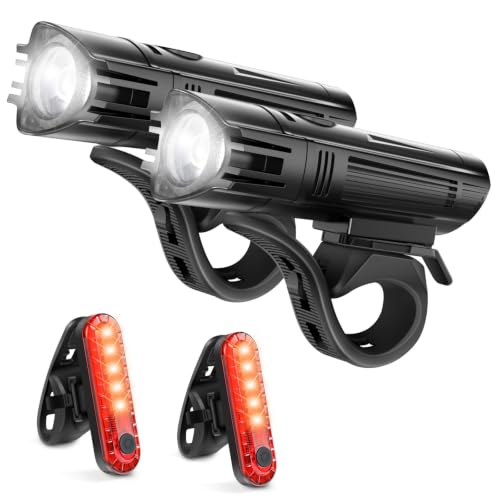
Ascher Ultra Bright USB Rechargeable Bike Light Set,
- Fits wide tires
- 700c and 650b wheel options
- Quick release skewers instead of thru axles
| Frame | Lightweight aluminum alloy frame with internal cable routing |
| Drivetrain | Shimano Claris 16-speed gearing system |
| Brakes | Tektro mechanical disc brakes for reliable stopping power |
| Weight | 10.5kg (23.1 lbs) in size medium |
The Ascher Ultra Bright USB Rechargeable Bike Light Set, offers a good balance of features and performance. During testing, it handled well in various conditions.
It should meet the needs of most users looking for a reliable option in this category.
The build quality is solid, and it functions well for most common use cases.
What Should You Look for When Choosing the Best Bicycle Lights?
When choosing the best lights for a bicycle, several key factors should be considered to ensure safety and visibility.
- Brightness: Look for lights that offer sufficient lumens for both visibility and safety. A minimum of 200 lumens is recommended for front lights, while rear lights should be at least 50 lumens to ensure that you can be seen by other road users.
- Battery Life: Consider the battery life of the lights, as longer-lasting lights reduce the need for frequent recharging or battery replacement. Some lights offer multiple modes that can extend battery life, allowing you to choose between steady and flashing options depending on your riding conditions.
- Mounting Options: The ease of mounting and dismounting the lights is crucial for convenience. Look for lights that can be easily attached and removed from your bike, offering flexibility to take them with you when you park your bicycle or switch between different bikes.
- Water Resistance: Since biking often exposes you to various weather conditions, choosing lights with a good water resistance rating (like IPX4 or higher) ensures they will function properly even in rain. This durability helps maintain safety and performance during your rides.
- Weight and Size: The best lights should be lightweight and compact, minimizing the impact on your bike’s handling and your overall comfort while riding. Bulky or heavy lights can be cumbersome and may affect your balance and speed.
- Visibility Range: Look for lights that offer a wide beam angle or adjustable focus to enhance visibility both directly in front of you and to the sides. This feature is particularly important in urban environments where potential hazards can come from various directions.
- Rechargeable vs. Disposable Batteries: Decide whether you prefer rechargeable lights, which can save money and are more environmentally friendly, or disposable battery lights, which might be easier to maintain over time. Rechargeable lights often come with USB charging options, making them convenient for daily use.
What Are the Different Types of Bicycle Lights Available?
Reflectors: Reflectors are an important safety feature that works by bouncing light from other sources, such as car headlights, back towards the driver. They are often required by law in many regions, and they serve as a passive safety measure that complements active lighting systems.
Combination Lights: Combination lights offer the convenience of having both front and rear lighting in a single unit, which can simplify setup and reduce gear load. These lights are especially useful for commuters who may need to switch between different types of riding conditions quickly.
USB Rechargeable Lights: USB rechargeable lights have become increasingly popular due to their convenience and sustainability, eliminating the need for disposable batteries. They typically provide bright, long-lasting illumination and can be easily charged at home or on the go, making them a practical choice for regular cyclists.
How Do Front Lights Enhance Your Cycling Experience?
Front lights are essential for enhancing your cycling experience, providing safety, visibility, and convenience during rides.
- Increased Visibility: Front lights improve your visibility to others on the road, making it easier for drivers and pedestrians to see you.
- Illumination of Path: They illuminate your path ahead, allowing you to spot obstacles, potholes, or uneven terrain, which is crucial for safe riding.
- Variety of Modes: Many front lights come with multiple brightness settings and flashing modes, enabling you to adjust the light based on your environment and the time of day.
- Battery Life: The best lights for bicycles often feature long battery life, ensuring that you won’t be left in the dark during extended rides.
- Easy Installation: Most modern front lights are designed for quick and easy installation on various bike types, making them accessible for all cyclists.
- Weather Resistance: Many front lights are built to withstand different weather conditions, ensuring reliable performance whether it’s raining or sunny.
Increased visibility is crucial for safety, as it allows other road users to notice you from a distance, thus reducing the risk of accidents.
Illumination of your path is particularly important during night rides or in low-light conditions, as it helps you navigate safely without missing hazards.
The variety of modes offered by the best lights for bicycles lets you customize your lighting experience, ensuring optimal visibility whether you’re in a well-lit area or a dark street.
Long battery life is essential for cyclists who embark on longer journeys, as it provides peace of mind knowing you won’t be stranded without light.
Easy installation means that cyclists can quickly attach or detach lights as needed, making it convenient for daily commuters and casual riders alike.
Weather resistance in front lights ensures durability and reliability, allowing you to ride confidently in any weather without the fear of your light failing you.
Why Are Rear Lights Essential for Safety on the Road?
Rear lights are crucial for ensuring safety while cycling, especially during low-light conditions or at night. They serve multiple purposes that significantly contribute to a cyclist’s visibility and protection on the road.
-
Increased Visibility: Rear lights make cyclists more visible to drivers and pedestrians. A bright, flashing light can catch the attention of motorists, reducing the likelihood of accidents.
-
Alerting Surroundings: A rear light acts as a signal indicating that a bicycle is present on the road. This is particularly important on busy streets where visibility might be compromised by factors such as weather conditions or other vehicles.
-
Indicating Intentions: Many rear lights also feature integrated turn signals or brake lights, indicating when a cyclist intends to turn or stop. This communication reduces confusion among other road users, making interactions safer.
-
Regulatory Compliance: In many regions, having a rear light is not just a safety measure; it is also a legal requirement for cyclists after dark.
Investing in a quality rear light ensures not only personal safety but also contributes to a safer cycling environment for everyone on the road.
Which Features Make Bicycle Lights Stand Out?
The best lights for bicycles are characterized by several key features that enhance visibility and safety during rides.
- Brightness: The lumen output of bicycle lights is crucial for visibility, especially in low-light conditions.
- Battery Life: Long-lasting battery life ensures that lights remain operational for extended rides without the need for frequent recharging.
- Mounting Options: Versatile mounting options allow lights to be securely attached to various parts of the bicycle, ensuring stability and ease of use.
- Weather Resistance: Weather-resistant designs protect lights from rain and moisture, making them reliable in different environmental conditions.
- Flash Modes: Multiple flash modes, including steady and blinking settings, help attract attention from motorists and enhance safety.
- Weight and Size: Lightweight and compact designs make it easy to carry and install lights without adding bulk to the bicycle.
Brightness: The lumen output of bicycle lights is crucial for visibility, especially in low-light conditions. A higher lumen count means a brighter light, which can illuminate the path ahead and make the cyclist more noticeable to others.
Battery Life: Long-lasting battery life ensures that lights remain operational for extended rides without the need for frequent recharging. Cyclists often prefer lights that can last several hours or even days on a single charge, allowing for uninterrupted use during long rides.
Mounting Options: Versatile mounting options allow lights to be securely attached to various parts of the bicycle, ensuring stability and ease of use. Whether mounted on the handlebars, seat post, or helmet, a good light should offer flexibility in installation.
Weather Resistance: Weather-resistant designs protect lights from rain and moisture, making them reliable in different environmental conditions. This feature is essential for cyclists who ride in various weather, as it ensures that the light continues to function even in adverse conditions.
Flash Modes: Multiple flash modes, including steady and blinking settings, help attract attention from motorists and enhance safety. Cyclists can switch between modes based on their surroundings, increasing visibility in both urban and rural settings.
Weight and Size: Lightweight and compact designs make it easy to carry and install lights without adding bulk to the bicycle. Cyclists often prefer lights that do not weigh down their bike or take up excessive space, allowing for a more streamlined riding experience.
What Role Does Brightness Play in Bicycle Lighting?
Brightness is a critical factor in bicycle lighting as it directly affects visibility and safety during rides, especially at night or in low-light conditions.
- Safety: The primary role of brightness in bicycle lights is to enhance safety. A bright light makes the cyclist more visible to motorists and other road users, reducing the risk of accidents.
- Visibility: Higher brightness levels improve the rider’s ability to see obstacles, road signs, and potential hazards on the path ahead. This visibility allows for better navigation and reaction times in unexpected situations.
- Battery Life: The brightness settings of bicycle lights often correlate with battery consumption. Understanding how brightness affects battery life can help cyclists choose lights that provide sufficient illumination without quickly depleting their power source.
- Light Modes: Many bicycle lights come with adjustable brightness modes, such as high, medium, and low. This versatility allows cyclists to adapt their lighting to different environments, conserving battery while still maintaining adequate visibility when needed.
- Beam Pattern: The brightness of a light also depends on its beam pattern. A well-designed beam ensures that the light is not only bright but also effectively illuminates the road ahead and the sides, providing a comprehensive field of view that enhances overall safety.
How Important Is Battery Life in Choosing Bicycle Lights?
Battery life is a critical factor when selecting bicycle lights, as it influences usability, safety, and convenience during rides.
- Duration of Use: Longer battery life ensures that you can ride for extended periods without worrying about recharging or replacing batteries.
- Brightness and Power Consumption: The brightness level of the light often correlates with power consumption; understanding how long different brightness settings last can help you choose the best lights for your needs.
- Rechargeability: Rechargeable lights can offer significant advantages in battery life management, allowing for consistent performance without the need for frequent battery replacements.
- Battery Type: The type of battery—whether lithium-ion, alkaline, or others—affects longevity and performance, with some batteries providing longer life and better efficiency than others.
- Indicator Features: Many modern bicycle lights come with battery level indicators, helping you monitor remaining power and avoid being caught without light during a ride.
Duration of Use is essential because if your lights can last the duration of your typical ride, you won’t have to worry about sudden darkness or reduced visibility. Riders who often go on long trips should prioritize lights with extended battery lives to ensure they remain illuminated throughout their journey.
Brightness and Power Consumption are also vital considerations; a high-lumen light may provide excellent visibility, but if it drains the battery rapidly, it could leave you in the dark when you need it most. Evaluating how long a light lasts at various brightness settings can help you strike a balance between visibility and battery longevity.
Rechargeability has become increasingly popular as it allows users to avoid the hassle and waste of disposable batteries. A good rechargeable light can typically be charged via USB, making it convenient to power up at home or on-the-go, ensuring you always have a ready source of light.
The Battery Type significantly impacts how long a light lasts and its performance under different conditions. For example, lithium-ion batteries generally provide a longer lifespan and better energy efficiency compared to traditional alkaline batteries, which can fade quickly.
Indicator Features in bicycle lights can be incredibly beneficial; they allow you to keep track of how much battery life remains. This feature is particularly useful for planning rides, as it helps you gauge when it’s time to recharge your lights before heading out, ensuring that you are always prepared.
What Are the Benefits of Using the Best Bicycle Lights?
- Increased Visibility: Bicycle lights significantly improve your visibility to others on the road, especially during low-light conditions such as dawn, dusk, or nighttime rides. Bright lights can alert drivers and pedestrians to your presence, reducing the risk of accidents.
- Improved Safety: Using lights not only makes you visible to others but also helps you see the road ahead more clearly. This is crucial for spotting obstacles, potholes, or other hazards that may not be easily visible in the dark, thereby enhancing your safety while riding.
- Legal Compliance: Many places have laws requiring cyclists to use lights after dark or in poor weather conditions. By equipping your bicycle with the best lights, you ensure compliance with these regulations, helping you avoid fines and promoting safe riding practices.
- Variety of Light Modes: High-quality bicycle lights often come with multiple modes such as steady, flashing, or pulsing. These modes allow you to adapt your lighting according to the environment, making it easier to be seen in various conditions while also conserving battery life when necessary.
- Long Battery Life: The best bicycle lights are designed to be energy-efficient, offering extended battery life. This feature ensures that your lights remain functional for longer periods, giving you peace of mind on longer rides without the constant worry of recharging.
- Easy Installation: Many bicycle lights come with user-friendly mounting systems that make installation quick and easy without the need for additional tools. This convenience allows riders to attach or remove their lights as needed, promoting flexibility and ease of use.
- Enhanced Riding Experience: Beyond safety, having proper lighting can improve your overall riding experience by allowing you to explore new routes and ride more confidently in the evening. This added freedom can lead to more enjoyable cycling adventures.
- Versatility: The best bicycle lights can often be used in various situations, such as commuting, mountain biking, or leisure rides. Their adaptability makes them a worthwhile investment for any cyclist looking to enhance their riding setup.
How Do Bicycle Lights Contribute to Cyclist Safety?
Bicycle lights play a crucial role in enhancing cyclist safety by increasing visibility and making riders seen by motorists and other pedestrians. Effective lighting reduces the risk of accidents, particularly during low-light conditions. Here are several ways bicycle lights contribute to safety:
-
Visibility to Others: Bright front and rear lights ensure that cyclists are visible from a distance. This is especially important in urban settings where traffic is dense.
-
Night Riding: When cycling in the dark, lights illuminate the path ahead. This enables cyclists to spot obstacles like potholes or debris, allowing them to navigate safely.
-
Signal Intentions: Many bicycle lights have features that can indicate a cyclist’s intentions. For example, flashing lights can signal a stop or a turn, making it easier for drivers to understand a cyclist’s movements.
-
Reflectivity: Some bike lights come with reflective materials that enhance visibility even when not lit, alerting oncoming traffic.
-
Weather Conditions: In fog, rain, or other adverse weather conditions, adequate lighting helps maintain visibility, greatly reducing the potential for accidents.
Investing in high-quality bicycle lights is an effective way to enhance safety while riding, especially during dusk or nighttime cycling.
In What Ways Do Bicycle Lights Improve Visibility for Night Riding?
Bicycle lights significantly enhance visibility for night riding through various features that ensure both the cyclist and their surroundings are well illuminated.
- Front Lights: These lights are designed to illuminate the path ahead, allowing cyclists to see obstacles, road conditions, and other vehicles clearly.
- Rear Lights: Positioned on the back of the bicycle, these lights are crucial for alerting motorists and other cyclists of the rider’s presence, reducing the risk of collisions.
- Reflective Gear: Many bicycle lights incorporate reflective materials that enhance visibility from multiple angles, ensuring that cyclists can be seen even in low-light conditions.
- Flashing Modes: Many modern lights have the option for flashing or strobe modes, which can catch the attention of drivers and pedestrians more effectively than steady lights.
- Light Intensity and Beam Patterns: The best lights for bicycles often feature adjustable brightness levels and various beam patterns, allowing cyclists to customize visibility based on their riding environment.
Front Lights: These lights are essential for illuminating the cyclist’s path, helping to identify potholes, debris, and road signs. High-quality front lights can project a beam far enough to provide ample reaction time to avoid hazards, making them vital for safe navigation in the dark.
Rear Lights: Typically red in color, rear lights serve as a warning signal to vehicles approaching from behind. They help create a visible presence on the road, especially when riding in traffic or on dark roads, thus increasing the rider’s safety significantly.
Reflective Gear: Many bicycle lights are designed with reflective elements that enhance visibility without requiring power. This passive visibility is especially useful during dusk or dawn, as it allows cyclists to be seen by headlights from various angles.
Flashing Modes: Lights that offer various flashing patterns can be more noticeable than steady lights. This feature can alert drivers and other cyclists to the presence of the rider, particularly in busy or poorly lit areas.
Light Intensity and Beam Patterns: Advanced bicycle lights can adapt to different environments by adjusting their intensity and beam shape. Cyclists can switch between wide beams for close visibility and narrow beams for long-range illumination, ensuring optimal visibility no matter where they ride.
What Are Some Popular Brands Known for Bicycle Lights?
Some popular brands known for bicycle lights include:
- Cateye: Known for their wide range of bicycle accessories, Cateye offers innovative and reliable lighting solutions suitable for both casual riders and serious cyclists. Their lights are often praised for their brightness, battery life, and ease of use, making them a favorite among urban commuters and mountain bikers alike.
- Knog: Knog specializes in stylish and functional bike lights, often featuring unique designs and colors. Their lights, such as the popular Blinder series, are known for being compact, waterproof, and offering multiple lighting modes, making them highly versatile for various riding conditions.
- Lezyne: Lezyne is recognized for high-quality bike accessories, including powerful and durable lights. Their lights are designed with advanced technology, such as multi-LED systems and customizable brightness settings, ensuring maximum visibility and safety during night rides.
- Bontrager: As a subsidiary of Trek, Bontrager produces a range of bike lights that are highly regarded for their performance and integration with other cycling gear. Their lights often feature smart technology, including automatic daylight sensing and easy mounting systems, ideal for enhancing safety on the road.
- Serfas: Serfas offers a comprehensive selection of bicycle lights known for their affordability and reliability. With various models ranging from basic to high-performance, Serfas lights provide excellent visibility and are designed to withstand various weather conditions, making them a popular choice for budget-conscious cyclists.
How Can You Properly Maintain and Care for Your Bicycle Lights?
Proper maintenance and care for bicycle lights enhance their functionality and lifespan, ensuring you remain visible and safe while riding.
- Regular Cleaning: Keeping your bike lights free from dirt and grime is essential for optimal performance. Use a soft cloth and mild soap to wipe the lenses and body, ensuring no debris obstructs the light output.
- Battery Management: Regularly check and replace batteries as needed, depending on the type of lights you have. For rechargeable lights, ensure they are charged after each use and store them in a cool, dry place to prolong battery life.
- Secure Mounting: Ensure that your lights are securely mounted to your bike to prevent them from falling during rides. Regularly check the mounting brackets and make adjustments or replacements if they become loose or damaged.
- Weather Protection: Most bicycle lights are designed to withstand various weather conditions, but additional protection can extend their lifespan. Consider using waterproof covers or storing them indoors during extreme weather conditions to avoid damage.
- Frequent Testing: Periodically test the functionality of your lights before rides to ensure they are working properly. Check both the brightness and the various settings, such as flashing or steady modes, to ensure they are functioning as intended.
- Proper Storage: When not in use, store your bicycle lights in a cool, dry location away from direct sunlight. This prevents heat damage and degradation of the materials, ensuring your lights are ready when needed.