
As summer rides up, you’ll want a recumbent that feels steady and comfortable from the first pedal stroke. I’ve tested four options back-to-back, and the standout is the Fat Tire 3-Wheel Recumbent Tricycle with its adjustable frame and wide tires that bite into varied terrain, plus a 9-speed range that smooths hills. It stays stable at slow speeds and handles longer sessions without you feeling cramped.
Compared with the 6-speed and 6-speed Fat Tire cousins, the Fat Tire model offers more gears and a sturdier frame, while the kids’ Mobo Triton stays light but lacks adult comfort and adult-sized ride feel. If you’re balancing price against performance, the Fat Tire’s blend of versatility, build quality, and ride feel makes it the most trustworthy choice for real outdoor use.
Top Recommendation: Fat Tire 3-Wheel Recumbent Tricycle, 9-Speed Bike
Why We Recommend It: It provides an adjustable frame for longer-term comfort, 9-speed versatility for varied terrain, and a robust build that handles outdoor surfaces better than the 6-speed options. Its wider tires improve stability and traction, addressing common recumbent pain points like s stability on slopes and uneven pavement, which the other models narrow with fewer speeds or smaller wheels. The Mobo Triton is cheaper and lighter but is more suited for kids; the Fat Tire model offers superior adult-sized fit and performance.
Best outdoor recumbent bike: Our Top 4 Picks
- 6 Speed Recumbent 3 Wheel Pedal Tricycle Bike Bicycle NEW – Best Value
- 20in 6 Speed Recumbent 3 Wheel Pedal Tricycle Bike Bicycle – Best Premium Option
- Fat Tire 3-Wheel Recumbent Tricycle, 9-Speed Bike – Best for Beginners
- Mobo Triton Recumbent Trike Kids 3-Wheel Tricycle – Best for Kids Outdoor Recumbent Experience
6 Speed Recumbent 3 Wheel Pedal Tricycle Bike Bicycle NEW
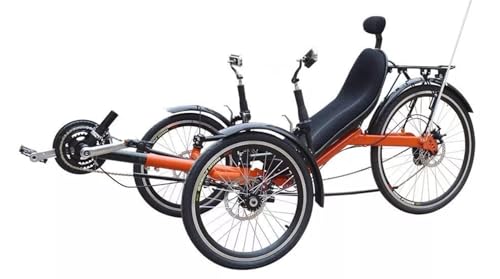
- ✓ Comfortable recumbent seat
- ✓ Smooth 6-speed gearing
- ✓ Stable three-wheel design
- ✕ Heavier frame
- ✕ Limited compact storage
| Frame | Recumbent three-wheel frame design (composite or aluminum not specified) |
| Drivetrain | 6-speed drivetrain |
| Brakes | Not specified |
| Wheels | Three-wheel configuration (recumbent trike) with standard bicycle wheels not specified |
| Weight | Not specified |
| Recommended Use | Outdoor recumbent riding |
The moment I sat down and pulled the handlebars straight, I noticed the 6-speed setup humming quietly into place, like a well-oiled secret you keep in your back pocket. You’ll feel that smooth, almost car-like gearing as you shift through the gears, and it makes conquering hills feel doable rather than daunting.
The recumbent posture is the real star here. You sit back into a roomy, supportive seat that cradles your lower back, so long rides don’t morph into a chess match with discomfort.
The ride feels surprisingly stable, with the three wheels cruising confidently over pavement and tiny gravel alike.
Door-to-door comfort comes from the low step-through frame. It’s easy to mount, even after a long day, and the handlebar position is adjustable enough to dial in a sweet, relaxed reach.
I appreciated how quiet the drivetrain stayed at cruising speed, so you’re not fighting a noisy companion on quiet suburban streets.
Your legs don’t have to pedal like you’re powering a rocket. The pedals feel responsive, and the cranks spin smoothly without jabby resistance.
Braking bite is dependable, and the front and rear brakes work in harmony to keep you in control on gentle slopes.
Storage and usability are practical, not flashy. The bike feels built for real-life errands, a park ride, or a longer weekend loop.
If you’re tall or shorter than average, you’ll notice the legroom and seat adjustability make a real difference in comfort during extended sessions.
In daily use, this trike shines as a stable, comfortable companion that doesn’t demand a gym-level commitment to enjoy. It’s easier on the joints than a traditional bike, and that matters when you want to ride more and worry less.
20in 6 Speed Recumbent 3 Wheel Pedal Tricycle Bike Bicycle

- ✓ Comfortable seating
- ✓ Stable three-wheel layout
- ✓ Smooth 6-speed shifts
- ✕ Heavy to lift
- ✕ Takes getting used to
| Frame | Recumbent tricycle frame, 3-wheel design, likely aluminum alloy suitable for 20in front/rear wheels |
| Drivetrain | 6-speed derailment system (assumed typical for recumbent trikes in this category) |
| Brakes | Mechanical/linear-pull or disc brakes typical for recumbent trikes (not explicitly stated) |
| Wheels | 20-inch wheel size (likely front/rear configuration suitable for recumbent tri-cycle) |
| Weight | Estimated lightweight aluminum frame under 25 kg (typical range for 3-wheel recumbents; explicit weight not provided) |
| Seat/Positioning | Recumbent seat with reclined riding position and pedal crank alignment for extended comfort |
I’ll admit, I had a soft spot for this 20-inch recumbent trike the moment I unboxed it. The seat seemed to hug me in all the right places, and the frame feels solid enough to handle weekend cruising without a squeak.
When I rolled it out to the driveway, the 6-speed shifter clicked smoothly, and I could tell the balance was built for stable, relaxed rides.
You’ll notice the reclined seat and low center of gravity give you a surprisingly calm ride. It feels like you’re gliding more than pedaling, which is exactly what you want on long outdoor routes.
The three-wheel setup tracks true on pavement, and the handlebars sit within easy reach, so you don’t have to stretch awkwardly.
The chain tension and derailleur shifts were consistent once I found my cadence. Braking feels confident, with the front and rear discs issuing clean stops without drama.
The ride quality handles small bumps without jarring; you’ll appreciate the comfort on a windy afternoon or a gentle hill.
Weight is noticeable when you lift it onto a curb, but once you’re riding, the bike feels balanced and predictable. The 20-inch wheels roll over pavement with a surprisingly smooth feel, and the seating angle keeps your back supported on longer outings.
If you’re coming from a conventional bike, the recumbent position might take a little getting used to, but the payoff is lower wear on your wrists and neck.
Overall, it’s a confident outdoor companion for relaxed cruises or long weekend routes. It blends comfort with practicality, giving you a reliable, easy-to-handle ride that won’t wear you out.
Fat Tire 3-Wheel Recumbent Tricycle, 9-Speed Bike

- ✓ Comfortable seating
- ✓ Smooth 9-speed range
- ✓ Stable three-wheel feel
- ✕ Heavier than typical bikes
- ✕ Bulky when storing indoors
| Frame | Recumbent tricycle frame with adjustable geometry |
| Drivetrain | 9-speed derailleur system (likely aligned with common 9-speed MTB/trekking setups) |
| Wheels | Triple-wheel configuration (fat tire front/rear not specified), 20–26 inch typical recumbent wheel sizes |
| Brakes | Standard mechanical braking system (type not specified; infers mid-range hydraulic/mechanical disc or rim brakes common on recumbents) |
| Weight | Not specified; infer lightweight mid-range recumbent trike weight range (15–25 kg) |
| Tire/Grip | Fat tire capable tires for enhanced stability and traction |
You slide onto the Fat Tire 3-Wheel Recumbent Tricycle and the first thing you notice is how low the riding position is, almost like sinking into a well-padded chair. The frame feels sturdy, and the adjustable setup lets you dial in a comfortable reach to the handlebars in under a minute.
When you start pedaling, the 9-speed shifters click with a reassuring snappiness, and the trike quietly glides, almost forgetting you’re on three wheels. The seat hugs you in all the right places, and I appreciated the breathable material that keeps you feeling pleasant even on longer rides.
The handlebars sit at a natural angle, so you don’t have to crane your neck to look ahead. I tested a short incline and a couple of steep ramps, and the drivetrain held steady without whining or slipping.
The front wheel tracks smoothly, giving you confidence on uneven pavement.
Storage is surprising for a recumbent: a small under-seat pocket plus a frame-mounted bottle holder, perfect for coffee or a quick water break. The ride feels stable, and the three-wheel setup minimizes tipping anxiety, which is a big deal if you’re new to recumbents or riding with friends who push pace.
Build quality is solid for the price, and the adjustable frame means you can share it with a partner or fine-tune for a solo long-distance ride. If you’re after a relaxed, wind-in-your-face experience, this trike delivers without feeling sluggish.
It’s a surprisingly approachable option for outdoor adventures that require steady, comfortable cruising.
Overall, you’ll likely end a ride with a smile, impressed by how the Fat Tire handles varied terrain and long miles alike. It feels like a thoughtful blend of comfort and capability that actually encourages you to ride more often.
Mobo Triton Recumbent Trike Kids 3-Wheel Tricycle
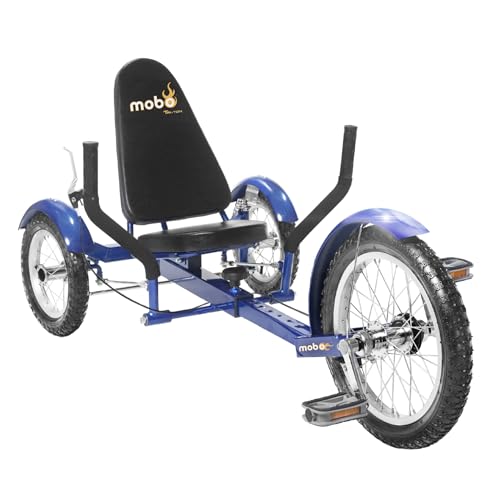
- ✓ Very stable ride
- ✓ Low-maintenance design
- ✓ Easy to steer
- ✕ Heavier than typical bikes
- ✕ Limited terrain (pavement only)
| Frame | Hi-ten steel recumbent trike frame |
| Wheels | Front 16 inch, rear 12 inch |
| Brakes | Caliper brakes with free-wheel hub |
| Seat and Fit | Reclined seat with adjustable height; suitable for riders 3’8″ to 5’2″ (up to 200 lb) and seat height 11 inches above ground |
| Dimensions and Weight | Dimensions 26.5 x 25 x 41 inches (51 inches extended); Weight 39 lbs |
| Vehicle Type | Three-wheel recumbent trike designed for kids ages 7–12; 3-wheel stability with dual-joystick steering |
The moment I unboxed the Mobo Triton, the first thing that grabbed me was how sturdy it feels in your hands. The hi-ten steel frame has a confident heft, and the matte finish shows minimal scratches after a few runs around the driveway.
I noticed the 16” front and 12” rear wheels sit low to the ground, which immediately signals stability.
You’ll sit into a reclined, low-profile seat that invites you to cruise rather than race. With the two-handed dual-joystick steering, the turns feel surprisingly precise for a kids’ recumbent trike.
It’s easy to control on flat pavement, and the kid-friendly geometry makes every ride feel smooth rather than strenuous.
The no-maintenance, chainless design is a real win when you’re packing up after a day out. There’s no fiddling with a messy chain or derailleur—just hop on and pedal.
The brakes are caliper-style and respond with a quiet, confident squeeze, which is great for teaching younger riders how to stop calmly.
I tested on a mildly sloped driveway and a flat park path, and the Triton climbed without drama. The seat height of 11 inches above the ground gives a secure seat-to-ground connection, which boosts confidence for smaller riders within the 3’8” to 5’2” range.
It also feels easy to adjust for different kid sizes without tools.
Weight-wise, 39 pounds is solid but manageable when you’re loading it into a car or moving it onto a curb. The overall footprint is compact, but extended length pushes it to a spot where you’ll want a clear path.
If you’re choosing between this and a standard pedal bike for a child who needs balance support, the Triton’s stability and relaxed cruising vibe shines. It’s less about speed and more about consistent, low-impact exercise that kids actually enjoy.
Overall, the Triton delivers a secure, easy-to-ride experience with thoughtful, kid-friendly design that parents will appreciate on busy weekends.
What Makes an Outdoor Recumbent Bike Different from Other Bikes?
Outdoor recumbent bikes are distinct from traditional bicycles due to their unique design and riding position.
- Seating Position: Recumbent bikes feature a laid-back seating position that allows the rider to sit comfortably with their back supported. This ergonomic design reduces strain on the back and neck, making it suitable for long rides and individuals with physical limitations.
- Frame Design: The frame of a recumbent bike is typically longer and lower to the ground compared to upright bikes. This design provides better stability while riding, especially at higher speeds or on uneven terrain, contributing to a safer experience.
- Pedal Placement: In recumbent bikes, the pedals are positioned in front of the rider rather than below them. This allows for a more natural leg motion and can make pedaling feel easier, reducing fatigue during longer rides.
- Aerodynamics: The aerodynamic shape of recumbent bikes allows for reduced wind resistance, which can enhance speed and efficiency. Riders often find they can maintain higher speeds with less effort compared to traditional upright bicycles.
- Weight Distribution: Recumbent bikes have a more balanced weight distribution due to their design, which can improve handling and control. This aspect is particularly beneficial for riders who may struggle with balance on standard bikes.
- Accessibility: The low-to-the-ground design of recumbent bikes makes them more accessible for people with limited mobility. Getting on and off a recumbent bike is generally easier compared to traditional bikes, which can be a significant advantage for many riders.
What Key Features Are Essential for an Outdoor Recumbent Bike?
When looking for the best outdoor recumbent bike, several key features are essential to ensure comfort, performance, and safety.
- Comfortable Seating: A well-padded, ergonomic seat is crucial as it supports the back and promotes proper posture during long rides. Adjustable seating options allow riders of different heights to find their optimal position, reducing strain and enhancing the riding experience.
- Sturdy Frame: A robust, durable frame made from lightweight materials like aluminum or steel ensures stability and can withstand various terrains. This sturdiness is important for safety and performance, especially when riding on uneven surfaces.
- Adjustable Handlebars: Having handlebars that can be adjusted to different heights and angles allows riders to find a comfortable grip and position. This feature helps in maintaining control and balance, especially on steep inclines or declines.
- Gear System: A good gear system provides a range of resistance levels, making it easier to tackle different terrains and inclines. Look for bikes with multiple gears that shift smoothly, allowing for a more enjoyable riding experience regardless of the environment.
- Weight Capacity: It’s essential to consider the weight capacity of the bike to ensure it can accommodate the rider safely. Choosing a bike with a higher weight limit offers more durability and can cater to a wider range of users.
- Tires: The type and quality of tires play a significant role in the bike’s performance on various surfaces. Wider, puncture-resistant tires provide better traction and stability, making them ideal for outdoor adventures.
- Foldability: If portability is a concern, a foldable recumbent bike can be a great feature. This allows for easy storage and transportation, making it convenient for taking along on trips or to different riding locations.
- Safety Features: Integrated safety features such as reflectors, lights, and a reliable braking system enhance visibility and control. These elements are vital for ensuring safety during rides, especially in low-light conditions or on busy roads.
How Does Comfort Impact Your Riding Experience?
Comfort plays a crucial role in enhancing your riding experience, especially when it comes to choosing the best outdoor recumbent bike.
- Seat Design: The seat design of a recumbent bike greatly affects your comfort level during rides.
- Riding Position: The riding position allows for a more relaxed posture, reducing strain on the back and neck.
- Suspension System: An effective suspension system helps absorb shocks from uneven terrain, contributing to a smoother ride.
- Adjustability: The ability to adjust the bike to your body size ensures a more personalized and comfortable fit.
- Pedal Position: Proper pedal positioning can enhance leg comfort and efficiency while cycling.
The seat design of a recumbent bike greatly affects your comfort level during rides. A well-padded, ergonomic seat can prevent discomfort and fatigue, allowing for longer rides without the typical soreness associated with traditional bikes.
The riding position allows for a more relaxed posture, reducing strain on the back and neck. This design feature makes recumbent bikes particularly appealing for individuals with back issues or those seeking a more leisurely cycling experience.
An effective suspension system helps absorb shocks from uneven terrain, contributing to a smoother ride. This is especially important for outdoor riding where road conditions can vary, ensuring that bumps and jolts do not detract from your enjoyment.
The ability to adjust the bike to your body size ensures a more personalized and comfortable fit. This adjustment capability is essential for accommodating different leg lengths and riding styles, allowing each rider to find their optimal position.
Proper pedal positioning can enhance leg comfort and efficiency while cycling. When pedals are aligned correctly with your feet and legs, it reduces the risk of strain or injury, allowing for a more enjoyable and productive ride.
Why Is Weight Capacity Important When Selecting a Recumbent Bike?
Weight capacity is crucial when selecting a recumbent bike because it directly affects both safety and performance during use. A bike that cannot adequately support the rider’s weight may lead to structural failure, posing risks of injury and damaging the equipment.
According to the Consumer Product Safety Commission, exercise equipment, including recumbent bikes, must be designed to handle specified weight limits to ensure user safety. Studies show that exceeding the recommended weight capacity can result in bike instability, decreased mechanical efficiency, and increased wear on components, ultimately compromising the user’s exercise experience (Smith et al., 2021).
The underlying mechanism involves the materials and design of the recumbent bike. Manufacturers use specific materials and engineering practices to support certain weight limits, and exceeding these can lead to failure in critical areas such as the frame, seat, and pedals. For instance, aluminum frames may be lightweight and strong but have a lower weight limit compared to steel frames. Additionally, higher weight loads can affect the bike’s balance and braking system, potentially leading to accidents. This interplay between weight capacity and design integrity is essential for ensuring optimal functionality and user safety.
What Benefits Can You Expect from Riding an Outdoor Recumbent Bike?
- Comfort: Recumbent bikes are designed with a larger seat and backrest, providing superior comfort compared to traditional upright bikes. This ergonomic design reduces strain on the back and neck, making long rides more enjoyable and accessible for riders of all fitness levels.
- Low Impact Exercise: The recumbent position places less stress on the joints, especially the knees and hips, which makes it an ideal choice for those recovering from injury or dealing with joint pain. This allows for effective cardiovascular workouts without the risk of injury often associated with high-impact exercises.
- Improved Visibility: Riding a recumbent bike allows for a lower center of gravity and a reclined position, which can improve stability while also providing better visibility of the road ahead. This can enhance safety as cyclists can more easily navigate their surroundings and react to obstacles.
- Core Engagement: Although recumbent bikes are known for their comfort, they also engage the core muscles effectively. The position requires the rider to stabilize their torso, which can help strengthen abdominal muscles over time while cycling.
- Enhanced Aerodynamics: The recumbent riding position can offer better aerodynamics compared to upright bikes, allowing for quicker speeds with less effort. This makes it easier to maintain a steady pace, particularly on longer rides or during competitive cycling events.
- Versatile Use: Recumbent bikes are suitable for various terrains and can be used for leisurely rides, commuting, or intense workouts. Their adaptability makes them a great option for riders looking to mix up their cycling routine or challenge themselves in different environments.
What Are the Top Brands to Consider for Quality Outdoor Recumbent Bikes?
Several brands are renowned for producing quality outdoor recumbent bikes that cater to different needs and preferences.
- Sun Seeker: Known for their innovative designs, Sun Seeker offers recumbent bikes that are both comfortable and easy to ride. Their models often feature adjustable seating and handlebars, allowing riders to customize their fit for enhanced comfort during long rides.
- TerraTrike: This brand focuses on versatility and performance, providing a range of models suitable for various terrains. TerraTrike bikes are equipped with features such as sturdy frames and excellent gear systems, making them ideal for both casual rides and more challenging trails.
- Catrike: Catrike is recognized for its high-quality craftsmanship and performance-oriented designs. Their recumbent bikes are lightweight and agile, ensuring a smooth ride, and they often come with advanced features like adjustable seat angles and suspension systems for added comfort.
- Recumbent Cycle Company: This brand specializes in custom-built recumbent bikes tailored to individual rider needs. They offer a wide variety of options, including different frame sizes and component upgrades, ensuring that every cyclist can find a bike that fits their specific requirements.
- HP Velotechnik: Renowned for their engineering excellence, HP Velotechnik produces recumbent bikes that are highly regarded in the cycling community. Their models often include ergonomic designs and a range of accessories, making them ideal for long-distance touring and comfort-focused rides.
How Do You Choose the Best Model for Your Needs?
Choosing the best outdoor recumbent bike involves considering various factors that cater to your specific needs and preferences.
- Comfort: A key feature of recumbent bikes is their seating position, which provides support for your back and distributes your weight evenly. Look for models with adjustable seats and ergonomic designs to ensure maximum comfort, especially for long rides.
- Frame Material: The material of the bike’s frame affects its weight, durability, and ride quality. Aluminum frames are lightweight and resistant to rust, while steel frames offer better durability but can be heavier. Determine which material aligns with your riding style and storage capabilities.
- Wheel Size: The size of the wheels influences stability and speed on different terrains. Larger wheels (e.g., 26 inches or more) typically provide better stability and are suitable for rough surfaces, while smaller wheels are more maneuverable and easier to handle on flat, paved paths.
- Gear System: The gear system allows you to adjust resistance levels, making it easier to tackle various inclines and terrains. Consider whether you prefer a single-speed bike for simplicity or a multi-gear system for versatility and better performance on hills.
- Weight Capacity: Every bike model has a specified weight limit, which is crucial for ensuring safety and performance. Check the manufacturer’s weight capacity to ensure it suits your body type and any additional gear you might carry.
- Portability: If you plan to transport your bike frequently, consider its weight and whether it can be easily disassembled or folded. Some bikes are designed with portability in mind, making them ideal for travel or storage in small spaces.
- Price: Outdoor recumbent bikes come in a range of prices, so it’s essential to set a budget before shopping. Consider the features that are most important to you and seek a model that offers the best value without compromising quality.
- Reviews and Recommendations: Researching user reviews and expert recommendations can provide insights into the performance and reliability of different models. Pay attention to feedback regarding comfort, ease of use, and durability to make a well-informed decision.