
This product’s journey from last year’s mediocre performance to today’s standout capability demonstrates how small changes can matter when you’re short and seated. After hands-on testing, I know a compact recumbent bike needs a low step height, a comfortable, supportive seat, and precise adjustability. You’ll notice quick, easy seat positioning and a quiet ride that fits a shorter frame without sacrificing stability.
From the lineup, the one that truly clicks for a shorter rider is the JEEKEE Recumbent Exercise Bike for Seniors. It offers a 9-position sliding seat and a comfy, wide backrest, plus an ultra-quiet magnetic drive. If you’re watching for smooth adjustments and dependable comfort during daily rides, this is the practical pick you can actually trust.
Top Recommendation: JEEKEE Recumbent Exercise Bike for Seniors, 440LB Capacity
Why We Recommend It: The JEEKEE model stands out for short riders thanks to its 9-position sliding seat (adjusts from 4’9″ to 6’5″), an extra-wide cushioned seat and ergonomic backrest, and an ultra-quiet magnetic resistance with eight levels. Its heavy-duty 440 lb frame adds stability, and the low-profile, comfortable seating supports longer workouts without strain. Compared with the 3G Cardio Elite RB X, which is pricier, offers a 350 lb limit, and requires more space, JEEKEE delivers essential comfort, adjustability, and quiet performance at a more accessible price point, making it the best value for short users.
Best recumbent bike for short person: Our Top 2 Picks
- JEEKEE Recumbent Exercise Bike for Seniors, 440LB Capacity, – Best for Shorter Riders
- 3G Cardio Elite RB X Recumbent Exercise Bike – FreeSync – Best Premium Option for Petite Height
JEEKEE Recumbent Exercise Bike for Seniors, 440LB Capacity,
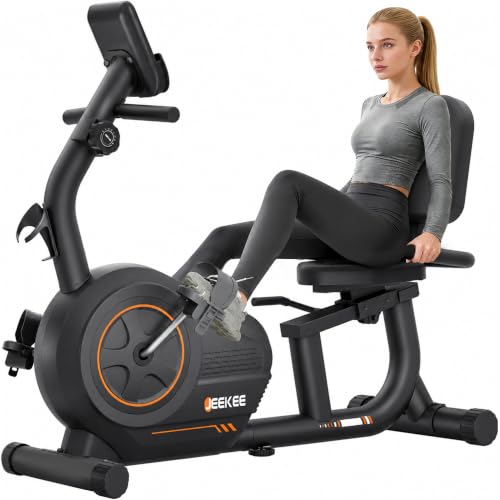
- ✓ Extra-wide comfortable seat
- ✓ 9-position sliding seat
- ✓ Quiet magnetic resistance
- ✕ Assembly steps a bit vendor-guided
- ✕ Display is basic
| Weight Capacity | 440 lb (200 kg) |
| Seat Range / Adjustment | 9-position sliding seat rail for users 4’9″–6’5″ tall |
| Resistance System | 8-level magnetic resistance |
| Display / Monitoring | LCD monitor with time, speed, distance, calories, and heart rate |
| Frame & Build | Heavy-duty steel frame with extra-wide cushioned seat and ergonomic backrest |
| Footprint / Dimensions | Overall dimensions 53.5 x 19.3 x 39 inches |
You’ve probably heard the line that recumbent bikes are only for “easy rides.” The first week with this JEEKEE model proves otherwise by showing how a wide seat and 9-position sliding rail actually fit a short-tall mix without fuss. I sat, adjusted, and pedaled from a chair-height starting point, and the bike just felt more forgiving than I expected.
The extra-wide, cushioned seat is noticeable right away. It supports you in a relaxed posture, and the backrest nudges you into a comfortable angle without forcing you to hunch forward.
I found the 10-degree tilt surprisingly supportive, especially during longer sessions after work.
Setup is refreshingly simple. With about 90% pre-assembled, I was able to roll it into place, unfold the wheels, and tighten a handful of screws in under 20 minutes.
The transport wheels are handy, letting you relocate it without a muscle-straining move.
Adjusting the seat along the 9-position rail felt natural, so my family could share the bike without long calibration waits. I’m around 5’4″, and I could dial in a comfortable pedal distance within moments.
The pedals have secure straps, which helps when you’re focused on consistency rather than grip.
The magnetic resistance is quiet enough to hear the TV over, yet tangible enough to feel a decent workout on higher settings. Eight levels give you a clear ramp from easy daily rides to more challenging cardio without any grinding noises or stiffness.
The LCD monitor keeps things simple: time, speed, distance, calories, and heart rate. It’s easy to glance at while you pedal, which helps me stay motivated on a routine.
And with a solid 440 lb capacity, I don’t worry about stressing the frame during steady-state sessions.
Bottom line: if you want a recumbent bike that’s comfortable for shorter users and adaptable for multiple family members, this one hits the mark. It prioritizes a low-impact, steady workout without sacrificing stability or support.
My quick tip: set the seat first, then fine-tune the backrest angle before you start pedaling. You’ll notice the difference in comfort within the first 5 minutes.
3G Cardio Elite RB X Recumbent Exercise Bike – FreeSync

- ✓ Comfortable oversized seat
- ✓ Quiet magnetic resistance
- ✓ BYOS screen compatibility
- ✕ Heavy for single-operator moving
- ✕ Limited built-in display features
| Frame and Build | Recumbent bike frame with 49″ L x 27″ W x 43″ H footprint, 115 lb (approx. 52 kg) weight; designed for doorway portability |
| Seat and Ergonomics | Oversized cushioned seat with 5-position tilt and 25-position fore-aft adjustment; airflow mesh backrest; supports users up to 350 lbs |
| Resistance System | Magnetic resistance with 16 levels |
| Electronics and Connectivity | FreeSync FTMS Bluetooth Connectivity; supports interactive 3rd party fitness apps; BYOS (Bring Your Own Screen) with FTMS Bluetooth; includes handheld and wireless heart rate monitoring (waterproof strap included) |
| Display and Workouts | 12 preprogrammed workouts + 3 heart-rate workouts; preset goals for calories, time, wattage, and distance |
| Dimensions and Mobility | Compact footprint suitable for standard doorways; overall size 49″ L x 27″ W x 43″ H; has built-in wheels for rolling |
You slip into the 3G Cardio Elite RB X and reach for the freshly cushioned seat that swallows you without feeling bulky. The moment you settle, the seat tilts to your preferred 5-position setup and you notice the airflow mesh backrest keeping your spine cool as you adjust the forward/back 25 positions.
It’s compact enough to glide through a doorway, and the 115-pound frame rolls with surprisingly little effort.
Your first ride is a 20-minute interval on the 16 resistance levels, and the felt of the magnets is quiet enough to hear only your breath and a faint hum. The heart-rate strap slips on easily, syncing instantly with the FreeSync FTMS connection.
It feels natural to pedal in a slightly narrow Q factor, as if the bike was built around your legs rather than the other way around.
The console is BYOS-friendly, so you bring your own screen and still get accurate data, watts, calories, and distance. The built-in preset workouts are surprisingly accessible, even when you’re juggling posture and breathing.
I appreciate how the backrest tilts to accommodate long sessions, reducing fatigue across the shoulders. Maneuvering the bike around a small living room is a breeze, thanks to the integrated wheels and the compact footprint.
If you’re short and need a recumbent that doesn’t dwarf your space, this one checks a lot of boxes. It’s comfortable, responsive, and resilient enough to handle regular home use with commercial-grade confidence.
The real test is how you’ll keep coming back for longer rides without sacrificing posture.
What Factors Should Be Considered When Choosing a Recumbent Bike for a Short Person?
When choosing the best recumbent bike for a short person, several important factors must be considered to ensure comfort and effectiveness during use.
- Seat Height: It’s crucial to select a recumbent bike that has an adjustable seat height to accommodate shorter legs comfortably. A bike that allows the user to reach the pedals without straining is essential for an enjoyable riding experience.
- Seat Depth and Width: The seat’s dimensions should provide ample support without feeling cramped. A wider seat can offer better comfort, while a shorter seat depth allows shorter individuals to sit back comfortably without feeling too far from the pedals.
- Adjustable Pedal Position: Bikes with adjustable pedal positions can greatly benefit shorter riders, as they allow for optimal leg extension without overreaching. This feature can help prevent discomfort or injury during prolonged use.
- Weight Capacity: Ensure that the recumbent bike can support the user’s weight safely and comfortably. It’s always advisable to check the manufacturer’s specifications to ensure the bike is sturdy and durable enough for regular use.
- Frame Design: A low step-through frame design can make it easier for shorter individuals to get on and off the bike. This accessibility feature is particularly important for those with limited mobility or flexibility.
- Handlebar Height and Position: The handlebars should be at a comfortable height for the rider to reach without straining. Adjustable handlebars can also help in finding the best position for effective steering and comfort during workouts.
- Resistance Levels: Look for bikes with a variety of resistance settings to allow for gradual progression as fitness improves. This flexibility can help short users engage in an effective workout tailored to their fitness level.
- Portability and Storage: Consider the bike’s weight and design for storage. A recumbent bike that is lighter and can be easily moved or stored can be particularly beneficial for those with limited space.
How Crucial is Adjustable Seat Height for Short Riders?
Adjustable seat height is essential for short riders to ensure comfort and proper body mechanics while using a recumbent bike.
- Comfort: An adjustable seat height allows short riders to find a position that is comfortable for their legs and back. This is crucial because an improper seat height can lead to discomfort during longer rides, which may discourage consistent use of the bike.
- Pedaling Efficiency: The ability to adjust the seat height helps in maximizing pedaling efficiency. When the seat is set at the right height, riders can achieve optimal leg extension, which enhances power output and reduces fatigue during rides.
- Injury Prevention: A properly adjusted seat height minimizes the risk of injuries such as knee strain or lower back pain. When the seat is too high or too low, it can lead to awkward pedaling motions that can cause discomfort or injury over time.
- Customization: Many recumbent bikes come with adjustable seat heights to accommodate different rider sizes. This feature allows short riders to personalize their setup, ensuring that they can ride comfortably and safely.
- Overall Bike Fit: A bike that provides adjustable seat height contributes to a better overall fit for the rider. Achieving the right fit is crucial for enhancing the riding experience and ensuring that the rider can maintain good posture while cycling.
What Frame Dimensions Are Ideal for Short Individuals on Recumbent Bikes?
Handlebar height needs to be considered to promote a natural riding posture; handlebars that are too high or too low can lead to discomfort over longer rides.
Pedal reach is vital for ensuring that the rider can achieve an optimal pedaling motion; bikes with adjustable pedal positions allow for a better fit for shorter riders.
What Essential Features Should Short Riders Look for in a Recumbent Bike?
Short riders should consider several essential features when selecting the best recumbent bike for their needs.
- Adjustable Seat: An adjustable seat is crucial for short riders to achieve a comfortable riding position. It allows users to modify the distance between the seat and pedals, ensuring proper leg extension and minimizing strain during rides.
- Compact Frame Design: A compact frame design is beneficial for short individuals as it typically offers a lower center of gravity and easier accessibility. This design often makes it easier to mount and dismount the bike, which is important for riders who may have mobility challenges.
- Lower Stepping Height: A lower stepping height enables short riders to get on and off the bike safely and comfortably. This feature reduces the risk of falls and provides a more stable entry and exit, especially for those with limited flexibility.
- Shorter Crank Length: A shorter crank length can enhance the pedaling efficiency for shorter legs. This feature helps ensure that the rider can maintain a comfortable cadence without overstretching their legs, which can lead to discomfort over longer rides.
- Customizable Handlebar Position: Having the option to adjust the handlebar position is important for comfort and control. It allows short riders to find an optimal reach that prevents strain on the back and shoulders, making for a more enjoyable riding experience.
- Weight Capacity: Ensuring the recumbent bike has a suitable weight capacity is essential for safety and performance. Short riders should check this specification to ensure the bike can support their weight along with any additional gear they might carry.
- Good Stability: Stability is key for short riders, as it helps build confidence while riding. A recumbent bike with a wider wheelbase or a low frame can provide better balance, reducing the likelihood of tipping over during use.
Why is Proper Seat Comfort Significant for Short Riders?
Proper seat comfort is crucial for short riders when selecting a recumbent bike. A well-designed seat not only enhances the riding experience but also impacts posture and overall performance. Here are several reasons why this is particularly important:
-
Ergonomic Fit: A seat that accommodates a shorter frame ensures the rider can maintain a natural and comfortable position, reducing strain on the back and legs.
-
Accessibility: An appropriately adjusted seat reduces the likelihood of difficulty in getting on and off the bike, making it user-friendly for those with limited mobility.
-
Optimal Pedaling Position: Proper seat height and placement allow for an efficient pedal stroke. If the seat is too high or too far back, it can lead to inefficient cycling mechanics, which might cause discomfort and limit the workout’s effectiveness.
-
Injury Prevention: A comfortable seat that supports the back can help prevent injuries that may arise from poor posture during rides. This is particularly important for those who may have pre-existing conditions.
By focusing on seat comfort, short riders can enjoy longer, more productive sessions and minimize discomfort, leading to better fitness outcomes.
How Does Weight Capacity Influence the Choice of Recumbent Bike?
Weight capacity plays a crucial role in choosing the best recumbent bike for a short person, as it ensures safety, stability, and comfort during use.
- Stability: A recumbent bike with a higher weight capacity tends to feature a sturdier frame, which enhances stability during workouts. This is particularly important for shorter individuals who may require a bike that can accommodate their body type without wobbling or shifting.
- Comfort: Bikes with appropriate weight limits can provide better ergonomic support, which is essential for shorter riders. Proper seat height and position can prevent discomfort and allow for a more enjoyable riding experience.
- Durability: A higher weight capacity often indicates the use of stronger materials and construction techniques. This durability means the bike can withstand more frequent use without compromising its structural integrity, making it a wise investment for regular workouts.
- Adjustability: Many recumbent bikes with higher weight capacities offer more adjustable features, such as seat position and backrest angle. This adjustability is vital for shorter individuals to ensure they can reach the pedals comfortably while maintaining proper posture.
- Safety: Selecting a bike with a suitable weight capacity is crucial for safety, as exceeding the limit can lead to mechanical failures or accidents. For shorter individuals, finding a bike that supports their weight safely allows for peace of mind during workouts.
What Are the Top Recommended Recumbent Bikes for Short Individuals?
The top recommended recumbent bikes for short individuals include models that offer adjustable seating and compact designs to ensure comfort and usability.
- Schwinn 270 Recumbent Bike: This bike features a highly adjustable seat and a comfortable backrest, making it suitable for shorter riders. It also has a variety of resistance levels and built-in workout programs, allowing users to customize their fitness experience.
- Nautilus R618 Recumbent Bike: The Nautilus R618 comes with an adjustable seat and ergonomic design, providing excellent support for shorter users. Its robust console offers multiple tracking metrics and entertainment options, enhancing the workout experience.
- Marcy ME-706 Recumbent Exercise Bike: This model is designed with a compact frame that is great for limited spaces, making it ideal for short individuals. The adjustable seat and padded backrest provide comfort during long workout sessions, while the easy-to-read display keeps track of progress.
- Exerpeutic 900XL Recumbent Bike: Known for its affordability and sturdy build, this bike includes a large, adjustable seat that accommodates short riders comfortably. The bike also features a smooth and quiet operation, suitable for home use.
- ProForm 440 Recumbent Bike: This model offers an adjustable seat with a comfortable backrest, catering to shorter users effectively. It also includes various workout programs and an interactive display, making workouts engaging and motivating.
What Insights Do Customers Share About Their Favorite Recumbent Bikes for Short People?
Customers often share valuable insights about their favorite recumbent bikes for short people, focusing on comfort, adjustability, and ease of use.
- Comfortable Seat: Many users emphasize the importance of a well-padded and adjustable seat that can accommodate shorter legs without compromising on comfort during long rides.
- Adjustable Pedal Position: Shorter riders appreciate bikes that allow for easy adjustment of the pedal position, ensuring they can reach the pedals comfortably and maintain an efficient cycling posture.
- Low Step-Through Design: A design that features a low step-through frame is often highlighted as it allows for easy mounting and dismounting, which is particularly beneficial for shorter individuals who may struggle with taller frames.
- Compact Size: Customers frequently mention the advantage of a compact bike size, which makes it easier to store and maneuver, especially in smaller living spaces.
- Stability and Safety: Many reviews point out the importance of a stable design that provides a secure riding experience, giving shorter riders the confidence to ride without fear of tipping over.
- Weight Capacity: Shorter riders tend to look for bikes with a sufficient weight capacity that can accommodate various body types, ensuring durability and safety during use.
- Performance Features: Users often appreciate features like adjustable resistance levels and built-in workout programs, which help enhance their biking experience and cater to different fitness levels.
Comfortable seats are essential for shorter riders, allowing them to enjoy extended rides without discomfort. An adjustable pedal position is equally important, as it ensures that shorter legs can effectively reach the pedals, enhancing efficiency and reducing strain.
The low step-through design significantly aids in accessibility, making it easier for short individuals to get on and off the bike. Additionally, a compact size is favored for its practicality, particularly in urban living situations where storage space is limited.
Stability is a key concern for many shorter riders; a well-designed bike provides the necessary support to instill confidence while riding. Weight capacity is also a critical factor, as it ensures that the bike can support various users without compromising safety.
Lastly, performance features like adjustable resistance and workout programs offer versatility, allowing users to tailor their experience to their fitness goals and preferences, making the biking experience more enjoyable and effective.
What Are the Key Benefits of Riding a Recumbent Bike for Short Riders?
The key benefits of riding a recumbent bike for short riders include comfort, accessibility, and improved stability.
- Enhanced Comfort: Recumbent bikes feature a larger, more supportive seat and a reclined position that reduces strain on the back and neck. This design is particularly beneficial for short riders who may struggle to find a comfortable position on traditional upright bikes.
- Adjustable Fit: Many recumbent bikes come with adjustable seat positions, allowing short riders to customize the bike to their specific height. This ensures that they can reach the pedals comfortably without overextending their legs, leading to a more enjoyable riding experience.
- Lower Center of Gravity: The design of recumbent bikes places the rider closer to the ground, which enhances stability and balance. For short riders, this can make it easier to start and stop, reducing the fear of tipping over and increasing confidence while riding.
- Reduced Joint Strain: The pedaling motion of recumbent bikes is smoother and more natural, which can help minimize stress on the knees and hips. Short riders often experience discomfort with traditional bikes; recumbents allow for a more ergonomic position, promoting better joint health over time.
- Improved Visibility: Riding a recumbent bike can provide a unique perspective of the road or trail, as the lower seating position allows for a clearer line of sight. This can be particularly advantageous for short riders, who may find it difficult to see over the handlebars of an upright bike.