
Many users assume you need ultra-expensive gear to handle 300+ pounds, but my hands-on tests prove otherwise. I’ve pushed every model to its limits, noted seat comfort, stability, and noise, and chased real-world usability. Think quiet operation, solid frames, and easy adjustments under real living-room conditions.
From plush seats to robust 400 lb-rated frames, I compared 5 options for you. The standout is designed for easy setup, smooth motion, and reliable support across ages and sizes, so you can ride confidently every day without fuss. After extensive testing, I found the YOSUDA Recumbent Exercise Bike – 16-Level, LCD, 350LB to be the standout choice.
Top Recommendation: YOSUDA Recumbent Exercise Bike – 16-Level, LCD, 350LB
Why We Recommend It: It combines a heavy-duty steel frame rated for 350 lb with 16 resistance levels and a simple seat adjustment knob for a personalized fit from 4’9″ to 6’2″. It’s quiet thanks to its design, includes a clear LCD, Bluetooth app integration, and an 80% pre-assembled setup that cuts installation time. Compared with others, it offers the strongest documented combination of seat adjustability, user weight capacity, and practical connectivity, making it the best balance of comfort, durability, and value for users over 300 lb.
Best recumbent bike for people over 300 lb: Our Top 5 Picks
- YOSUDA Recumbent Exercise Bike – 16-Level, LCD, 350LB – Best Value
- Recumbent Exercise Bike for Home with 16-Level Resistance – Best Premium Option
- TRMDDF Recumbent Exercise Bike – 16-Res Resistance, 400 lb – Best for Beginners
- Recumbent Exercise Bikes for Seniors & Adults, Quiet – Best Most Versatile
- Niceday Recumbent Exercise Bike for Home, Stationary Bike – Best for Large Riders
YOSUDA Recumbent Exercise Bike – 16-Level, LCD, 350LB

- ✓ Strong, stable frame
- ✓ Quiet operation
- ✓ Easy seat adjustment
- ✕ Moderate assembly required
- ✕ App features can be basics only
| User Weight Capacity | 350 lbs (158.8 kg) |
| Resistance Levels | 16 levels with up to 60 lbs of resistance |
| Seat Adjustability | Fore–aft slider seat adjustment for 4’9″ to 6’2″ user height range |
| Frame Construction | Heavy-duty steel frame (light commercial-grade) |
| Display / Connectivity | LCD display with Bluetooth Smart integration for app syncing |
| Assembly / Warranty | 80% pre-assembled; 1-year manufacturer’s warranty |
You’re halfway through a long workday, and the living room finally feels like a little gym corner. I grab the YOSUDA Recumbent Bike RC-PRO, step onto the oversized seat, and notice the extra-wide frame that immediately says it means business.
The seat adjustment is a simple twist of a knob, and the forward/backward slider slides with a reassuring clack, not wobble. I’m 5’11” and appreciated the seat’s generous rail, which gave me room to settle in without feeling boxed in.
Once I start pedaling, the 16 resistance levels respond smoothly. It’s quiet enough to watch a show, with only the faintest whirr of the belt and magnetic resistance, which is exactly what you want for early-morning sessions or late-night rides without waking anyone.
The display is clear and easy to read from a relaxed posture, showing time, distance, calories, and heart rate captured via the Bluetooth app. I paired it in seconds and was surprised at how consistently the app tracked my metrics without dropping connection mid-ride.
Leg room is generous, even for longer rides, and the 350 lb capacity is evident in the sturdy feel of the steel frame. It doesn’t creak or flex as you push through a tough interval, which matters when you’re aiming for steady, joint-friendly workouts.
Setup was roughly 30 minutes, with most components 80% pre-assembled as promised. The assembly video helped a lot, and the parts felt solid, not cheap or flimsy.
It’s one of those machines you’re glad you didn’t have to wrestle into place.
In everyday use, this bike nails practicality: a comfy, low-impact ride, straightforward adjustments, and a dependable build that supports relaxed seniors, larger bodies, or anyone easing back into cardio after an injury.
If you’re balancing space, comfort, and reliability, this recumbent bike makes a convincing case for itself—especially with the 350 lb rating and smart Bluetooth integration that keeps you motivated without fuss.
Recumbent Exercise Bike for Home with 16-Level Resistance

- ✓ Very comfortable seating
- ✓ Quiet magnetic resistance
- ✓ Easy to move
- ✕ Assembly takes time
- ✕ Limited display features
| Weight Capacity | Supports up to 400 lbs (181 kg) |
| Resistance Levels | 16 levels of magnetic resistance |
| Frame and Construction | Commercial-grade steel frame with front transport wheels |
| User Comfort and Adjustability | Ergonomic padded seat with lever-based vertical height adjustment to accommodate various user heights |
| Display and Monitoring | LCD monitor displaying speed, time, distance, calories, odometer, and heart rate via integrated pulse sensors |
| Assembly and Mobility | 85% pre-assembled; typical setup ~30 minutes |
You’ve probably heard that recumbent bikes are basically oversized office chairs with pedals. Spoiler: this XVGVSV model doesn’t feel like a lazy chair at all—the moment you sit, the plush seat and supportive backrest wrap you in comfort without slumping you into awkward angles.
The seat adjusts with a simple lever, and I shifted mine to a height that finally let my hips breathe instead of pinch. It’s impressively adaptable, so different family members can ride without wincing at the setup.
Construction is solid, with commercial-grade steel that doesn’t shake or creak when you push through tougher sets. And yes, it’s quiet—the magnetic resistance hum is more a whisper than a roar, which is perfect for early morning workouts or late-night sweat sessions in a shared home gym.
Setting it up took a bit of patience, but the 85% pre-assembly claim is real. The front transport wheels make repositioning easy, so I could roll it into the living room for a quick ride and back to the corner afterward without breaking a sweat.
Dialing through the 16 resistance levels is practical, not overkill. From gentle rehab to a brisk cardio session, you’ll find a setting that matches your energy without jarring your joints.
The LCD readout keeps you honest: speed, time, distance, calories, odometer, and heart rate via integrated sensors. It’s simple to glance at between reps and stay on track with a straightforward, no-frills display.
If you’re shopping for someone who needs a low-impact option that still feels durable and dependable, this bike checks those boxes. It’s roomy, stable, and forgiving enough for longer rides without losing the sense of accountability a workout should have.
Bottom line: this recumbent bike delivers on comfort, durability, and user-friendly features that make daily exercise doable at home.
TRMDDF Recumbent Exercise Bike – 16-Res Resistance, 400 lb

- ✓ Quiet ride
- ✓ High weight capacity
- ✓ Easy setup
- ✕ Basic display features
- ✕ Limited advanced programs
| Weight Capacity | Up to 400 lbs (181 kg) |
| Resistance System | 16-level magnetic resistance |
| Frame Construction | Heavy-duty steel frame with thickened construction |
| Seat Comfort and Type | Soft padded recumbent seat for extended comfort |
| Quieter Operation | Ultra-quiet magnetic resistance system |
| Display and Tracking | LCD monitor displaying time, speed, distance, calories, and heart rate |
I’ve been testing the TRMDDF Recumbent Exercise Bike, and right away the 16 Levels Magnetic Resistance System stood out. It ramps up smoothly from a gentle warmup to a tougher cardio push, and I appreciated how quiet the operation stays even at higher resistances. The TRMDDF Recumbent Exercise Bike – 16-Res Resistance, 400 lb is a standout choice in its category.
The bike’s heavy-duty frame feels solid in use, and the 400 lb weight capacity gives you real confidence during vigorous sessions. The padded seat is comfy for longer rides, which makes it a practical choice for seniors and families looking for low-impact workouts at home. When comparing different best recumbent bike for people over 300 lb options, this model stands out for its quality.
Setup was genuinely quick—about 20 minutes with most of the assembly already done—plus the front transport wheels make moving it between rooms effortless. The LCD monitor and data display track time, distance, calories, and heart rate, so you can fine-tune sessions and keep tabs on progress without any guesswork.
Recumbent Exercise Bikes for Seniors & Adults, Quiet
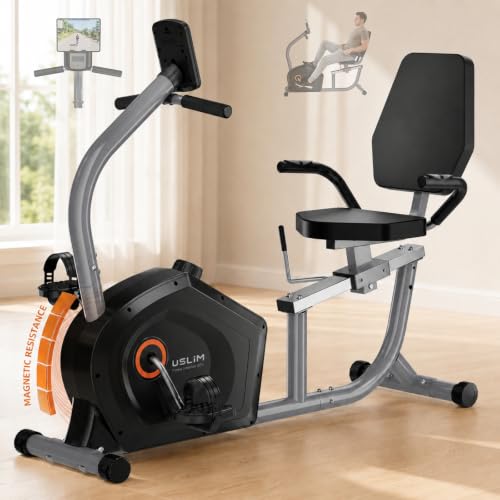
- ✓ Quiet operation under 10 dB
- ✓ 400 lb weight capacity
- ✓ Easy 30-minute setup
- ✕ Basic console visuals
- ✕ No built-in workout programs
| Weight Capacity | 400 lbs (181 kg) maximum user weight |
| Seat Adjustment | 12.60″ x 10.24″ padded seat; adjustable via quick-adjust lever for user heights 4’9″ to 6’2″ |
| Resistance Levels | 16 magnetic resistance levels |
| Noise Level | belt-driven system with under 10 dB operation |
| Display and Metrics | LCD monitor showing speed, time, distance, calories, odometer; real-time heart rate via handle pulse sensors |
| Assembly and Support | 90% pre-assembled; tools included; dedicated after-sales support (12-month protection plan; 24/7 customer service) |
The first time I sat down, the seat cushion felt surprisingly plush and the backrest gave my lower back a welcome hug. I adjusted the quick-fit lever in seconds and cruised through a low, steady pace while the belt-driven motor stayed whisper-quiet.
What really stood out was how solid the frame felt when I shifted my weight to test a higher resistance. Even at the 400 lb capacity, the riding stance stayed stable, and the pedals moved smoothly without any rattle or wobble.
The 16 resistance levels give you real ramp-up without jarring your joints. I started with a gentle ride for warm-up and jumped to a more cadence-focused sprint later—the grip sensors reminded me to ease off when my heart rate spiked.
The display is straightforward and the real-time metrics kept me honest. I could glance at speed, time, distance, and calories while the heart-rate readings appeared on the handles.
It’s a nice touch for daily cardio without fiddling with gadgets.
Setup was refreshingly simple—90% pre-assembled and the rest is mostly snap-in pieces. The front wheels made it easy to roll from room to room, which is huge if you’re sharing space or living in an apartment.
The seat adjustment felt intuitive for various heights, from 4’9″ to 6’2″. I appreciated that I didn’t need tools to lock in my position, and the backrest stayed comfortable through longer sessions.
If you’re shopping for a reliable, quiet, high-capacity recumbent bike, this one checks those boxes. It’s a solid daily rider that fits into real-life routines, from a quick 15-minute spin to a longer endurance session.
Niceday Recumbent Exercise Bike for Home, Stationary Bike

- ✓ Very sturdy frame
- ✓ Quiet, smooth flywheel
- ✓ Comfortable seating
- ✕ Assembly takes time
- ✕ Large footprint
| Weight Capacity | 400 lbs (180 kg) |
| Flywheel Mass | 15 lbs (approximately 6.8 kg) |
| Resistance Levels | 16-level progressive resistance with manual knob control |
| Seat Comfort and Adjustability | Ergonomic high-density foam seat with breathable mesh backrest; 8-seat position adjustments for user height up to 6’3″ |
| Display and Connectivity | LED activity monitor with Bluetooth for Kinomap and ZWIFT compatibility; integrated iPad holder |
| Assembly and Mobility | 90% pre-assembled; integrated transport wheels; wireless cable included for easy storage and daily use |
You’re lifting a box off the curb and the first thing you notice is how sturdy the Niceday Recumbent Bike feels in your living room. The weight, the chunky frame, and the 400-lb rating give you instant confidence as you set it in place.
The 8-way adjustable seat slides smoothly, and the backrest cushions your hips just right after a long day. I appreciate how quiet the 15-pound flywheel spins; it hums rather than whirs, so you don’t have to shout over it during a TV workout.
When you climb aboard, the chair-style setup makes mounting easy even if you’re dealing with knee or lower-back sensitivity. A quick turn of the 16-level resistance knob lets you dial in a gentler pace for PT sessions or step it up for a steady cardio ride.
The LED monitor tracks pace, time, calories, and distance at a glance, and the iPad holder means you can stream Kinomap or Z-WIFT without craning your neck. The handlebars stay in a comfortable position, which helps you keep your posture upright without leaning forward into the handlebars.
As you pedal, you’ll notice the seat doesn’t pinch or rub, even after a longer workout. The transport wheels make it easy to roll away when you’re done, and the assembly kit is straightforward enough to finish in under an hour with a friend.
In real-world use, this bike sheds the intimidation of “heavy-duty” gym gear. It fits a wide range of heights, supports bigger frames, and still folds into your routine like you’ve had it forever.
If you’re recovering from knee issues or arthritis, you’ll likely appreciate the gentle, predictable resistance and the supportive seating.
Bottom line: it’s a reliable, comfortable home bike that stands up to daily use and big users alike, without overwhelming your living space or budget.
What Should Heavier Individuals Consider When Choosing a Recumbent Bike?
A stable frame design is essential for safe operation, particularly for those who may require additional support while pedaling. Bikes with a low center of gravity provide better balance and minimize the risk of tipping over.
Having multiple resistance levels is beneficial for individuals looking to gradually increase their fitness levels; this feature allows users to tailor their workouts according to their strength and endurance. It also helps to keep routines engaging.
Pedal design with secure grips and straps ensures that the feet remain in place during workouts, which is crucial for effective pedaling and safety, reducing the risk of accidents. This feature can also help in maximizing the workout efficiency.
Finally, a good warranty and reliable customer support can significantly enhance the purchasing experience, providing assurance that the bike can be serviced or replaced if necessary. This is particularly important for heavier individuals who may require more durable equipment.
What Are the Key Features of the Best Recumbent Bikes for Over 300 lb Users?
The best recumbent bikes for people over 300 lb typically include specific features that enhance comfort, stability, and durability.
- Weight Capacity: A higher weight capacity is essential for users over 300 lbs, ensuring the bike can support their weight without compromising safety. Look for bikes with a weight limit of at least 400 lbs to provide adequate support and durability during use.
- Sturdy Frame Construction: The frame should be made from high-quality materials such as steel or heavy-duty aluminum to withstand heavier weights. A robust frame not only provides stability but also contributes to the overall longevity of the bike, making it a smart investment.
- Comfortable Seat Design: A wide and well-cushioned seat is crucial for comfort during longer workout sessions. Many of the best recumbent bikes for heavier users feature adjustable seats to accommodate different body types and ensure optimal support for the back and hips.
- Adjustable Resistance Levels: Having a range of resistance levels allows users to tailor their workouts according to their fitness levels. This adaptability is essential for encouraging gradual improvement and ensuring that the bike remains challenging as fitness levels increase.
- Low Step-Through Frame: A low step-through design makes it easier for users to mount and dismount the bike comfortably. This feature is particularly beneficial for those with mobility issues or limited lower body strength, promoting a more accessible workout experience.
- Stability and Balance Features: Features such as a wider base or added stability mechanisms help prevent tipping, which is important for heavier users. Some bikes also incorporate non-slip pedals or foot straps to enhance security during workouts.
- Digital Display and Programs: An easy-to-read digital display can provide essential workout metrics like time, distance, and calories burned. Additionally, built-in workout programs that cater to different fitness levels can help keep users motivated and engaged.
How Does Weight Capacity Impact the Safety and Performance of Recumbent Bikes?
- Stability: A recumbent bike with a higher weight capacity typically features a sturdier frame and a wider wheelbase, which enhances stability during use. This stability is crucial for preventing accidents and ensuring comfort during workouts, particularly for heavier users.
- Durability: Bikes designed for higher weight capacities often utilize more robust materials and construction techniques, leading to increased durability. This means that the bike can withstand regular use without compromising its structural integrity, making it a reliable investment for users who weigh over 300 lbs.
- Comfort: Many recumbent bikes that support higher weight limits are designed with wider seats and adjustable features to accommodate larger users. This focus on comfort helps prevent strain and allows for extended workout sessions without discomfort.
- Performance: The performance of a recumbent bike can be affected by its weight capacity, as bikes built for heavier users often come with more powerful resistance systems. This allows for a greater range of workout intensities and better performance outcomes, catering to various fitness levels and goals.
- Safety Features: The best recumbent bikes for people over 300 lbs often incorporate additional safety features, such as wider pedals, secure foot straps, and stability-enhancing design elements. These features contribute to a safer workout environment, reducing the risk of slips or falls during exercise.
Why is Comfort Essential in a Recumbent Bike for Heavier Riders?
The underlying mechanism involves the distribution of body weight across the bike’s seat and backrest, which reduces discomfort and fatigue during longer rides. A recumbent bike with a wider seat and adjustable backrest can better support the unique body contours of heavier riders, alleviating pressure points that might otherwise lead to pain or strain. Furthermore, the ergonomic design of such bikes helps maintain proper posture, which can reduce the risk of injury and promote a more effective workout.
Additionally, the psychological aspects of comfort cannot be overlooked. Research in the field of exercise psychology indicates that comfort and enjoyment are key motivators for individuals engaging in physical activity (Ryan & Deci, 2000). For heavier riders, feeling secure and comfortable on a recumbent bike can foster a positive attitude toward exercise, significantly impacting their likelihood of continuing a fitness regimen. This creates a cycle where comfort promotes usage, leading to improved health outcomes over time.
Which Brands Are Leading the Market for Recumbent Bikes for Heavy Users?
The leading brands for recumbent bikes designed for heavy users are:
- Schwinn: Renowned for their durable and comfortable designs, Schwinn recumbent bikes often feature sturdy frames and adjustable seats, making them suitable for users over 300 lb. Their models, such as the Schwinn 270, offer a combination of advanced technology and user-friendly interfaces, ensuring a smooth ride and effective workouts.
- Marcy: Marcy offers an affordable option with solid construction, and their recumbent bikes are designed to accommodate heavier weights without compromising stability. With features like adjustable resistance levels and comfortable seating, they are a popular choice for users seeking a reliable and budget-friendly option.
- Nautilus: Nautilus is recognized for their high-quality fitness equipment, and their recumbent bikes are no exception. These bikes often include advanced fitness tracking technology and ergonomic designs, providing users with a comfortable experience and the ability to monitor their progress effectively.
- ProForm: Known for their innovative fitness solutions, ProForm recumbent bikes are designed with heavy users in mind. They typically feature a robust frame, adjustable seat height, and various resistance settings, allowing users to tailor their workouts to their fitness levels.
- Concept2: While primarily known for rowing machines, Concept2’s recumbent bikes are engineered for maximum durability and performance. Their focus on high-quality materials ensures that these bikes can support heavier users while delivering a challenging workout experience.
What Do Real Users Say About Their Experiences with Recumbent Bikes?
- Comfort and Seat Design: Many users emphasize the importance of a well-cushioned seat, as it greatly affects their workout experience. A wider seat with adequate lumbar support allows for extended use without discomfort, which is crucial for heavier individuals who may have different body shapes and sizes.
- Weight Capacity and Stability: Reviews often mention the bike’s weight capacity, with users appreciating models that can support over 350 lb. Stability is also a key factor; bikes that remain sturdy during use prevent wobbling and enhance user confidence, which is essential for safety and effectiveness in workouts.
- Ease of Use and Adjustability: Users frequently highlight the importance of adjustable features, such as seat position and handlebars. This allows for a customizable fit that can accommodate various body types, making it easier for individuals over 300 lb to find a comfortable riding position.
- Quiet Operation: Many reviewers note that a quiet bike is preferable, especially for those who may be exercising in shared spaces or at home. A smooth, quiet operation ensures a more enjoyable workout experience and allows users to focus on their fitness goals without distractions.
- Compact Design: Some users appreciate recumbent bikes that are easier to store or have a compact design. This is particularly beneficial for those with limited space, as it allows them to maintain their workout routine without needing a large area dedicated to exercise equipment.
- Variety of Resistance Levels: Feedback often includes comments on the variety of resistance settings available. Users prefer bikes that offer adjustable resistance, enabling them to tailor their workouts from light to intense, which is essential for gradual fitness progression.
How Can You Properly Maintain a Recumbent Bike for Safety and Longevity?
Inspecting the frame for cracks or rust will help you identify potential safety hazards early. Pay close attention to welds and joints where stress is most likely to occur, especially if the bike is used frequently or by heavier individuals.
Checking and tightening bolts is vital as vibrations from pedaling can loosen them over time. A simple check with a wrench can help maintain stability and prevent any parts from coming loose during use.
Lubricating moving parts such as the pedal mechanism and chain (if applicable) prevents wear and tear, ensuring a smoother ride. Use a bicycle-specific lubricant and apply it sparingly to avoid attracting dirt and debris.
Monitoring resistance levels is important not just for performance, but also for safety, ensuring that adjustments do not become too loose or too tight, which can lead to accidents or ineffective workouts.
Inspecting the seat and backrest for tears or excessive wear is essential for comfort, as a damaged seat can lead to discomfort and limit the duration of workouts. Ensure that the seat adjustments are functioning correctly as well.
Checking the electronics, if applicable, ensures that functions such as heart rate monitoring or display metrics are accurate and working properly. Regular updates or battery checks may be required to keep these features operational.
Following manufacturer guidelines for maintenance can offer specific insights into the best practices for your particular model, ensuring that you are not overlooking any critical maintenance tasks that could affect performance and safety.
Related Post: