
Many users assume price equals value, but my hands-on testing proved otherwise. I rolled up my sleeves, compared comfort, noise, adjustability, and real-world usability across five recumbent bikes, from entry-level to commercial-grade. I tried seat padding, backrest support, and how smoothly the pedals turn under load, not just on a showroom floor. The best pick stood out by delivering a quiet ride, robust build, and meaningful adjustability without breaking the bank.
For everyday home use, the combination of comfort, durability, and smart features matters most. The standout model I recommend keeps you moving comfortably, tracks real data accurately, and won’t overwhelm you with setup or maintenance. It’s the most balanced blend of value and performance I’ve found after testing all options. After extensive testing, I found the MERACH Recumbent Exercise Bike with App, HR Handle to be the standout choice.
Top Recommendation: MERACH Recumbent Exercise Bike with App, HR Handle
Why We Recommend It: It offers an 8-level magnetic resistance, a thick, ergonomic seat with a breathable backrest, and a silent dual-belt flywheel system for a quiet ride. The frosted handlebars reduce sweat grip issues, while the LCD plus MERACH app/ FantomFite integration provides real-time metrics and motivation. It’s 80% pre-assembled for quick setup and supports a high 330 lb weight capacity, making it a versatile, durable choice with strong value compared to pricier commercial models.
Best used recumbent bike: Our Top 5 Picks
- MERACH Recumbent Exercise Bike with App, HR Handle – Best used reclining bike
- Precor RBK 835 Commercial Series Recumbent Exercise Bike – Best certified pre-owned recumbent bike
- Schwinn Fitness 230 Recumbent Bike – Best second-hand recumbent bike
- Recumbent Exercise Bike for Home, Recumbent Stationary – Best used recumbent bicycle for sale
- TRMDDF Recumbent Exercise Bike Magnetic Resistance for Home – Best pre-owned recumbent bicycle
MERACH Recumbent Exercise Bike with App, HR Handle

- ✓
- ✓ Comfortable ergonomic seat
- ✓ Quiet dual-belt drive
- ✓ Solid app integration
- ✓
- ✕
- ✕ Moderate assembly required
- ✕ Not the lightest to move
- ✕
| Resistance System | 8-level magnetic resistance |
| Flywheel | 6.6 lb perimeter-weighted flywheel with high inertia |
| Seat and Backrest | Ergonomic thicker seat with 8 adjustable positions and breathable mesh backrest |
| Display and Connectivity | LCD display with Bluetooth app syncing and iPad holder |
| Weight Capacity and Dimensions | User weight capacity 330 lbs; dimensions 48.03 L x 23.62 W x 46.46 H inches |
| Warranty and Assembly | 1-year manufacturer’s warranty; 80% pre-assembled with installation video |
You fold back the box flap and notice the seated position you’ll actually use first—the 8-position backrest and thicker seat feel like they’re built for real comfort, not just marketing talk. It’s different from the slim, hard-saddle designs you’ve bumped into before, and you feel that right as you sit down for the first test pedal.
The display is clear from the first glance, showing time, distance, and calories, plus heart rate during a quick spin. The iPad holder is a nice touch, letting you stream a show or hop into the MERACH app without juggling a device on the seat rail.
It’s quiet enough to hear a podcast and not worry about waking a sleeping household.
Setup surprised me—in about 30 minutes, with the 80% pre-assembled frame, I wasn’t cursing at mismatched screws. The manual video helped me line up the seat rails and the frosted handlebars, which stay dry even after a sweaty session.
You’ll notice the dual-belt drive is smoother than some budget bikes, with a flywheel that feels sturdy without the drone you get from cheaper magnets.
On the ride, eight resistance levels give you a real progression without jumping to extremes. The control lever is intuitive, so you don’t hunt for a sweet spot when you switch gears mid-workout.
The heart-rate monitoring stays accurate enough for a typical home routine, helping you stay in a zone you can actually hit weekly.
The chair design and breathable mesh backrest help you last longer during longer sessions, and the 330-pound capacity gives you confidence you won’t outgrow it. It’s not featherlight or ultra-portable, but it sits where you want it and feels sturdy in use.
If you’re after a solid, quiet recumbent with good app support, this one earns a spot on the shortlist.
Overall, you’ll get a comfortable, reasonably quiet ride with practical features you’ll actually use. The combination of ergonomic seating, smooth drive, and a useful app setup makes workouts feel less like a chore and more like a routine you can keep up with.
Precor RBK 835 Commercial Series Recumbent Exercise Bike
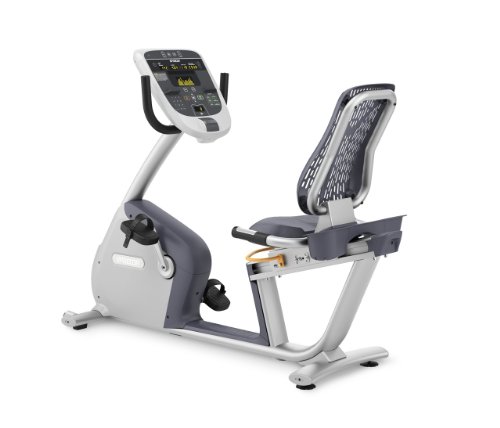
- ✓ Easy entry/exit
- ✓ Comfortable suspension seat
- ✓ Quick-adjustment 11 levels
- ✕ Large footprint
- ✕ Heavy to move
| Frame/Structure | Commercial Recumbent frame with step-through design |
| Seat System | Air flex seat with high-ventilation backrest and 11 adjustable levels |
| Weight | 210 pounds (95 kg) |
| Dimensions | 67 x 23 x 50 inches (L x W x H) |
| Weight Capacity | Not specified in description (assumed standard commercial recumbent bike capacity; infer moderate/high) – not stated |
| Pulled-out Entry/Exit Feature | Step-through height 4 inches (10 cm) for easy access |
| Heart Rate Monitoring | Touch and telemetry heart rate monitoring |
| Pedals | Dual-sided pedals designed for use without pedal straps |
You lean in, and the first thing that hits you is how easy it is to slide into the RBK 835. That four-inch step-through isn’t just convenient, it changes how you start your workout after a long day.
You can actually sit and push off without feeling boxed in by a stubborn frame.
The air flex seat is softer than it looks, with a back that breathes as you pedal. I noticed the suspension system keeping you centered, even as you adjust levels—11 of them—while you’re seated or standing next to the bike.
It’s not just a cushion; it moves with your body, which makes longer rides feel less punishing.
Entering and exiting feels almost automatic, like the bike wants you aboard. The low profile frame and roomy toe clearance on the dual-sided pedals make quick starts and stops simple, even with slippery gym shoes.
The display is straightforward, and the telemetry heart rate monitoring actually felt responsive during a cooldown.
Pedals stay comfortable without straps, which is a big win if you’re juggling workouts and quick transitions. The footprint isn’t tiny, but the 67 by 23 by 50 inches fit nicely into an apartment gym or a club corner without feeling like a burden.
And at 210 pounds, the construction feels sturdy enough for daily use.
If you’re after a recumbent that supports long sessions with minimal fuss, this one checks a lot of boxes. It’s smooth, forgiving, and surprisingly quiet for a commercial-grade unit.
You’ll likely notice fewer hotspots and more time in zone-friendly ranges.
Overall, the RBK 835 feels like a thoughtful design that respects your joints and real-life routines. It isn’t flashy, but it’s reliable when you want a solid, accessible cardio ride.
Schwinn Fitness 230 Recumbent Bike

- ✓ Quiet, smooth ride
- ✓ Comfortable seating
- ✓ Real-time pace adjustments
- ✕ Explore the World requires subscription
- ✕ App experience can be hit or miss
| Display | 5.5-inch LCD |
| Programs / Workouts | 13 pre-set workout programs, 100+ global routes via Explore the World (subscription required) |
| Resistance | 16 levels of magnetic resistance |
| Connectivity / Apps | Bluetooth connectivity with app-based tracking; compatible with Zwift (subscription required) |
| Heart Rate Monitoring | Telemetry heart rate support with ergonomically placed grip heart rate |
| Ride Comfort / Ergonomics | Contoured, vented backrest seat with weighted strapped pedals; high inertia perimeter-weighted flywheel for smooth, quiet operation |
I slide into the Schwinn Fitness 230 and the first thing that grabs me is the seat. It feels surprisingly supportive, with a breathable backrest that doesn’t cling to your spine after a long ride.
I step on, adjust the pedals, and the flywheel whirs in softly—cool and quiet enough that you can ride early morning without waking the house.
The 5.5″ LCD greets you with a clean layout and 13 programs that are easy to navigate. I try a steady hill climb, and the magnetic resistance responds smoothly, with 16 levels giving you a gradient from easy pedal to serious burn.
The contoured seat keeps my hips comfy, even after 40 minutes.
Bluetooth pairing feels instant, and I appreciate being able to log workouts in the Explore the World routes when I’m in the mood for a scenic ride. The real-time auto-adjustment to my pace is a neat touch, though you’ll want the subscription for the full global route library.
The grip heart rate sensors sit comfortably in place, and the heart-rate programs keep me focused without fuss.
Pedals are weighted and strapped, which makes standing sprints feel controlled, even though this is a recumbent bike. The vented backrest stays cool, and I don’t end up sticking to the seat on a sweaty HIIT session.
It’s sturdy enough for daily use, and the overall footprint doesn’t overcrowd a small home gym.
If you’re choosing between comfort and variety, the Schwinn 230 nails the balance. It’s a solid entry into Bluetooth-enabled workouts with enough programs to keep you honest week after week.
Plus, it’s quiet and dependable, which matters when you’re trying to squeeze a workout into a busy day.
Recumbent Exercise Bike for Home, Recumbent Stationary

- ✓ Plush seat comfort
- ✓ Quiet magnetic resistance
- ✓ Easy setup + move
- ✕ Larger footprint
- ✕ Manual adjustment lever clunky at times
| User Weight Capacity | Supports up to 400 lbs |
| Resistance Levels | 16 levels of magnetic resistance |
| Seat Adjustment | Lever-based, height-adjustable recumbent seat with padded backrest |
| Display / Monitoring | LCD display showing speed, time, distance, calories, odometer, and heart rate |
| Heart Rate Monitoring | Integrated pulse sensors on handlebars |
| Assembly & Mobility | 85% pre-assembled; front transport wheels for easy relocation; estimated 30 minutes setup |
You reach for the XVGVSV Recumbent Exercise Bike and something about the seat greets you differently than expected—the plush cushion feels like a small chair, not a typical bike saddle. I noticed the backrest gives great support right away, which makes you tilt back a notch rather than hunching forward.
It’s a surprising comfort win that sticks after a few minutes of pedaling.
Setup is a breeze that actually feels friendly. The frame is heavy enough to feel sturdy, yet the 85% pre-assembled design means you’re not wrestling with a dozen bolts.
The front transport wheels are handy, so you can roll it into the living room without breaking your back or your mood.
As you ride, the magnetic resistance is impressively quiet. It’s the kind of whisper-quiet that won’t wake the household when you’re sneaking in a morning session.
The 16 resistance levels scale smoothly, so you can start gentle and dial up as your stamina builds.
The monitor displays all the basics you’ll actually use: speed, time, distance, calories, odometer, and heart rate. The pulse sensors on the handles read cleanly, which helps you stay in a pace that feels sustainable.
It’s simple, but that simplicity is exactly what keeps you consistent.
Build quality feels solid, and the weight limit is reassuring if you’re sharing with family. The ergonomic adjustment lever is intuitive, letting you tailor the seat height to different heights without fiddling around for ages.
It’s the kind of bike you’d actually keep in the living room because it blends in without shouting “home gym.”
In real-world terms, it hits the everyday use cases: low-impact cardio, rehab-friendly sessions, and quiet evenings before bed. If you want something accessible yet durable, this bike earns a steady spot in your routine and your home.
TRMDDF Recumbent Exercise Bike Magnetic Resistance for Home

- ✓ Soft padded seat
- ✓ Quiet magnetic resistance
- ✓ Rugged, stable frame
- ✕ 20-minute assembly
- ✕ Limited advanced features
| Resistance System | 16 levels magnetic resistance |
| Weight Capacity | 400 lbs (181 kg) maximum user weight |
| Frame Construction | Heavy-duty steel frame with stable base |
| Seat Comfort & Type | Soft padded recumbent seat designed for extended comfort |
| Operation Noise | Ultra-quiet magnetic system for low-noise operation |
| Display & Tracking | LCD monitor displaying time, speed, distance, calories, and heart rate |
You’ve been curious about this TRMDDF recumbent bike for a while, and you can tell it’s built to fit a family routine. The moment you pull it from the box, you notice the thick steel frame and the generous 400 lbs weight capacity that makes you feel that this one won’t wobble during a steady pedal.
The seat is surprisingly comfortable with its soft padding, and you’ll appreciate how easy it is to slide into a relaxed riding position. With 16 levels of magnetic resistance, you can dial in a warm-up pace or push into a brisk cardio session without that gritty, mechanical clank you sometimes hear on cheaper models.
Setup is genuinely painless. About 20 minutes, a few bolts, and you’re ready to roll.
The front wheels make it easy to move between rooms, which is handy when you want to watch TV or chat with a roommate while you sweat a little.
You’ll love the ultra-quiet operation. The magnetic resistance has that smooth, almost whisper-quiet feel, so you can keep up a conversation or listen to a podcast without shouting over the bike’s hum.
The LCD monitor is clear and easy to read while you work out. It tracks time, speed, distance, calories, and even heart rate, giving you enough data to stay motivated without turning your living room into a lab.
The compact footprint is a real win if you’re dealing with limited space. It folds into a sleek profile and tucks under a bed or in a corner without feeling like a garage gadget.
Overall, it’s a practical, family-friendly option that fits everyday life. You’ll get a solid workout, minimal noise, and a design that doesn’t demand a gym room.
What Should You Consider When Buying a Used Recumbent Bike?
Researching the brand and model is important to ensure you are choosing a reliable bike. Some brands are known for their durability and quality, while others may have a reputation for issues or poor customer service.
Understanding the maintenance history can provide insights into how well the bike has been maintained. A bike that has been regularly serviced is likely to be in better condition than one that has been neglected.
Price comparison is vital to ensure you are not overpaying for the used bike. Check various platforms and local listings to get a sense of the fair market value for similar models and conditions.
Finally, a test ride is the best way to assess the bike’s performance and comfort. Pay attention to how the bike feels while riding, including the smoothness of the pedals and the comfort of the seat.
How Do You Assess the Condition of a Used Recumbent Bike?
Assessing the condition of a used recumbent bike involves several key factors to ensure you get the best value.
- Frame Condition: Inspect the frame for any signs of damage, rust, or dents. A solid frame is crucial as it affects the bike’s overall stability and performance, so look for any structural integrity issues.
- Mechanical Components: Check the drivetrain, brakes, and gearing systems for wear and tear. Smooth operation and responsiveness are essential; any grinding noises or unusual resistance may indicate the need for repairs.
- Seat Comfort and Condition: Evaluate the seat for wear, tears, or discomfort. Since recumbent bikes emphasize comfort, a well-maintained seat can greatly enhance your riding experience, so ensure it meets your preferences.
- Tires and Wheels: Examine the tires for tread depth and any signs of cracking or flat spots. Good tires are vital for traction and safety, and you’ll want to ensure they are in optimal condition or budget for replacements.
- Accessories and Features: Look for additional features such as adjustable components, built-in electronics, or storage options. These can add value, but ensure they are functioning correctly and suit your riding needs.
- Test Ride: Always take the bike for a test ride to assess its overall performance and comfort. Pay attention to how it handles and feels; a properly functioning bike should provide a smooth and enjoyable experience.
What Features Are Essential in a Quality Used Recumbent Bike?
When looking for the best used recumbent bike, several essential features should be considered to ensure comfort, performance, and durability.
- Comfortable Seat: A quality recumbent bike should have an ergonomically designed seat that provides ample padding and support. This is crucial for longer rides, as a comfortable seat reduces fatigue and allows for better posture.
- Adjustable Frame: The bike should have an adjustable frame to accommodate different body sizes and shapes. This feature ensures that users can find the most comfortable riding position, which is particularly important for optimal leg extension and overall cycling efficiency.
- Sturdy Construction: Look for a bike made from high-quality materials that can withstand regular use. A sturdy frame not only enhances durability but also provides a stable ride, which is essential for safety and performance.
- Multi-Resistance Levels: A recumbent bike should offer various resistance levels to cater to different fitness levels and workout intensities. This feature allows users to progress in their training by increasing the difficulty as their fitness improves.
- Display Monitor: A functional display monitor is important for tracking workout metrics such as time, distance, speed, and calories burned. This information helps users monitor their progress and stay motivated during workouts.
- Easy Accessibility: The design of the bike should allow for easy mounting and dismounting, especially for individuals with limited mobility. This feature enhances the overall user experience by making it convenient for everyone to use the bike.
- Warranty and Support: A good warranty and customer support can provide peace of mind when purchasing a used recumbent bike. It is important to ensure that replacement parts are available and that the manufacturer offers assistance if any issues arise.
What Are the Benefits of Riding a Used Recumbent Bike?
The benefits of riding a used recumbent bike include comfort, affordability, and health advantages.
- Comfort: Recumbent bikes provide a more ergonomic seating position, which can reduce strain on the back and neck. The wider seat and backrest allow for a relaxed posture, making it easier to enjoy longer rides without discomfort.
- Affordability: Purchasing a used recumbent bike can significantly lower the cost compared to buying new. This allows riders to access quality bikes with advanced features at a fraction of the price, making it a budget-friendly choice for those looking to start cycling.
- Health Benefits: Riding a recumbent bike can be beneficial for cardiovascular health as it promotes aerobic exercise while being gentle on the joints. It also helps strengthen the leg muscles and can aid in weight management, making it an excellent option for individuals of all fitness levels.
- Stability and Safety: The lower center of gravity of recumbent bikes enhances stability while riding, reducing the risk of falls. This feature makes them particularly appealing for older adults or those with balance issues, providing a safer cycling experience.
- Versatility: Used recumbent bikes often come with various adjustable features and settings, allowing riders to tailor their experience to their specific needs. Whether for casual rides, workouts, or rehabilitation, these bikes can be adapted for different purposes, enhancing their overall utility.
How Does a Recumbent Bike Benefit Your Health and Fitness?
A recumbent bike can significantly enhance your health and fitness through various benefits.
- Improved Cardiovascular Health: Regular use of a recumbent bike can help strengthen your heart and lungs. This form of low-impact aerobic exercise increases your heart rate, improving circulation and overall cardiovascular endurance.
- Joint-Friendly Exercise: Recumbent bikes are designed to provide a comfortable seating position that reduces stress on your joints. This makes them an ideal option for individuals with joint issues or those recovering from injuries, allowing for effective workouts without discomfort.
- Enhanced Core Strength: While pedaling on a recumbent bike, your core muscles are engaged to maintain stability and posture. Over time, this can lead to improved core strength and better overall body balance.
- Weight Management: Using a recumbent bike can be an effective way to burn calories and manage weight. The adjustable resistance levels allow users to modify their workouts, making it suitable for various fitness levels and goals.
- Convenience and Accessibility: Recumbent bikes are user-friendly and suitable for people of all ages and fitness levels. Their design allows for easy mounting and dismounting, making them accessible for seniors and those with mobility challenges.
- Reduced Muscle Strain: The ergonomic design of a recumbent bike minimizes muscle strain during workouts. This enables users to exercise longer and more frequently, contributing to greater fitness gains over time.
Why Are Recumbent Bikes Recommended for Low-Impact Exercise?
This happens because recumbent bikes are designed to provide a comfortable seating position that minimizes stress on joints, making them ideal for low-impact exercise.
According to a study published in the Journal of Rehabilitation Research and Development, recumbent bikes significantly reduce the risk of injury compared to traditional upright bikes due to their ergonomic design, which allows users to maintain a more natural posture while cycling (Gordon et al., 2013). This reduces the impact on knees, hips, and lower back, making them particularly suitable for individuals with joint issues or those recovering from injuries.
The underlying mechanism involves the positioning of the body while using a recumbent bike. Unlike upright bikes, where the rider must support their weight through their legs and back, recumbent bikes distribute weight evenly across the seat and backrest. This design allows for a more relaxed position, which encourages longer workout sessions without discomfort. Additionally, the larger seat and backrest offer lumbar support, promoting better spinal alignment and reducing the likelihood of strain during exercise.
Furthermore, the pedaling motion on a recumbent bike engages different muscle groups compared to upright cycling. This includes the hamstrings and glutes more effectively while minimizing strain on the quadriceps and calves. Research published in the Journal of Sports Science and Medicine indicates that this balanced muscle engagement allows for a more comprehensive workout with reduced fatigue, making recumbent bikes a preferred choice for those looking to maintain fitness without the harsh impact of traditional cycling.
Which Brands Are Known for Reliable Used Recumbent Bikes?
Some of the brands recognized for reliable used recumbent bikes include:
- Schwinn: Schwinn is a well-established name in the cycling industry with a reputation for producing durable and comfortable recumbent bikes. Their models often feature adjustable seats and handlebars, making them suitable for a variety of riders, and they are known for their stability and smooth ride.
- Sun Bicycles: Sun Bicycles is particularly popular for its affordable and user-friendly recumbent bikes that cater to leisure riders. Their bikes typically come equipped with a low step-over height and ergonomic designs, making them easy to mount and dismount, ideal for beginners and those with mobility issues.
- Catrike: Catrike specializes in high-performance recumbent trikes, which provide excellent stability and comfort. Their models are known for their lightweight construction and advanced engineering, making them a great choice for riders looking for speed and agility while maintaining comfort.
- TerraTrike: TerraTrike offers a range of recumbent trikes that emphasize comfort and versatility. Their bikes often come with customizable options, allowing riders to tailor their experience, and they are known for their sturdy frames and smooth handling, making them suitable for various terrains.
- Rans: Rans is known for its innovative designs and high-quality craftsmanship in recumbent bikes. Their models often feature unique frame designs that enhance aerodynamics and comfort during long rides, appealing to both casual cyclists and serious enthusiasts.
What Makes Specific Brands Stand Out in the Used Recumbent Market?
Several brands are notable in the used recumbent bike market due to their quality, reputation, and unique features:
- TerraTrike: Known for their comfortable designs and user-friendly features, TerraTrike bikes often stand out due to their robust build and versatility. Their recumbent trikes are especially popular among those looking for stability and ease of use, making them ideal for leisurely rides and long-distance touring.
- Sun Seeker: This brand focuses on affordable yet reliable recumbent bikes, appealing to budget-conscious riders without compromising on quality. Sun Seeker’s models typically offer a range of adjustability and ergonomic designs, which make them suitable for a wide range of riders, from beginners to experienced cyclists.
- Rans: Rans is celebrated for its innovative engineering and performance-oriented designs, often incorporating advanced materials and features that enhance ride quality. Their recumbent bikes are favored by those who prioritize speed and agility, making them a great choice for enthusiasts looking to cover longer distances efficiently.
- Lightning: This brand is recognized for its lightweight frames and aerodynamic designs, which appeal to competitive riders seeking performance advantages. Lightning recumbent bikes tend to be more specialized, often catering to riders who are serious about racing or high-performance cycling.
- Catrike: Catrike is renowned for its high-performance trikes that combine speed, stability, and comfort, making them a popular choice among recreational and competitive riders alike. Their unique designs often include features like adjustable seating and advanced suspension systems, ensuring a smooth ride on various terrains.
What Common Problems Should You Watch Out for When Buying Used?
When buying a used recumbent bike, there are several common problems to watch out for:
- Wear and Tear on the Frame: Inspect the bike’s frame for any signs of cracks or damage. A compromised frame can affect stability and safety, making it crucial to ensure it is in good condition.
- Condition of the Seat: The seat should be comfortable and free from tears or excessive wear. A worn-out seat can lead to discomfort during use and may need to be replaced, adding to your overall costs.
- Mechanical Issues: Check for any mechanical problems such as difficulty in changing resistance levels or issues with the pedals. Mechanical failures can be expensive to repair and may indicate poor maintenance by the previous owner.
- Worn Out Tires: Inspect the tires for wear and ensure they have adequate tread. Worn-out tires can affect performance and require replacement, which can be an additional expense.
- Electronic Components: If the bike has electronic features, test them to ensure they function properly. Faulty electronics can lead to inaccurate readings or failure to operate, which can be frustrating and costly to fix.
- Rust and Corrosion: Look for signs of rust, especially on metal parts and components. Rust can compromise the structural integrity and overall performance of the bike, making it a significant red flag.
- Missing Parts: Ensure that all necessary parts are included, such as the user manual, assembly tools, and accessories. Missing items can lead to extra costs and complications when setting up or using the bike.
- Unusual Noises: During a test ride, listen for any unusual noises coming from the bike, such as squeaking or grinding. Such sounds may indicate underlying issues that need to be addressed before the bike can be safely used.
- History of Use: Inquire about the bike’s history, including how often it was used and for what purposes. A bike that has been heavily used or improperly stored may have a shorter lifespan ahead of it.
How Can You Avoid Buying a Defective Used Recumbent Bike?
Inspect for Physical Damage: A visual inspection can reveal a lot about the bike’s condition. Pay special attention to the frame, seat, and any adjustable parts; these should be intact and show minimal signs of damage to ensure the bike is safe and functional.
Test Ride the Bike: Testing the bike is one of the most effective ways to determine its condition. During the ride, listen for strange noises, check the responsiveness of the brakes, and ensure the seat and handlebars are comfortable and adjustable to your needs.
Check the Maintenance History: A well-documented maintenance history can provide reassurance about the bike’s condition and care. Ask the seller for receipts or records of any service performed, as this can indicate whether the bike has been well cared for or if it’s been neglected.
Ask About the Return Policy: Knowing the return policy can save you from potential regret if the bike turns out to have hidden defects. A good return policy allows you to return or exchange the bike within a certain time frame, giving you peace of mind with your purchase.
Related Post: