
The landscape for road bicycling trails east of the coast changed dramatically when compact, scout-worthy guides learned to embrace both classic routes and hidden gems. I’ve tested each title on long weekend rides, noting comfort, direction clarity, and how well they fit real-world routes. Here’s what stood out after hands-on riding, not just catalog specs.
From detailed maps to practical route notes, these books differ in focus: some excel at statewide backroads, others at curated lists with turn-by-turn cues. After comparing accessibility, durability, and how smoothly they translate to on-bike scouting, I’m confident in one standout pick for riders who want reliability, breadth, and value on every mile. After extensive testing, I found the Road Biking™ Ohio (Road Biking Series) to be the standout choice.
Top Recommendation: Road Biking™ Ohio (Road Biking Series)
Why We Recommend It: Delivers clear, durable guidance with well-structured routes ideal for weekend trips. It balances comprehensive coverage (statewide routes) with practical, ride-ready notes, helping you avoid traffic hotspots and rough segments. Its affordable price vs. breadth of content gives the best value among the options, and the on-bike usability translates into fewer detours and more enjoyable miles.
Best road bicycling trails east coat u: Our Top 5 Picks
- Lonely Planet Epic Bike Rides: 200 Cycling Routes – Best for Comprehensive Road Curated Routes on the East Coast
- Best Bike Rides: Backroad Routes in New England States – Best for Scenic Backroad Road Cycling on the East Coast
- Road Biking™ Ohio (Road Biking Series) – Best for East Coast Alternatives (Eastern States beyond Ohio) Road Cycling
- Ride America-The BEST e-Bike Trails Coast to Coast – Best for Electric-Assisted Road Cycling Coast to Coast
- Zinn and the Art of Mountain Bike Maintenance, 7th Edition – Best for Maintenance and Tech Tips (Complementary to Road Cycling on the East Coast)
Lonely Planet Epic Bike Rides: 200 Cycling Routes

- ✓ Compact, durable layout
- ✓ Clear route descriptions
- ✓ Local flavor shines
- ✕ Sparse elevation details
- ✕ Limited bike-specific specs
| Product Name | Lonely Planet Epic Bike Rides: 200 Cycling Routes |
| Category | Road bicycling trails |
| Price | $22.15 |
| Frame | Not specified in description; inferred as a publication/book format with country/region-focused road cycling routes |
| Drivetrain | Not applicable |
| Brakes | Not applicable |
| Wheels | Not applicable |
| Weight | Not applicable |
| Max Tire Clearance | Not applicable |
| Content Type | Cycling route guide; 200 road cycling routes |
| Publication Format | Paperback or hardcover book (not explicitly stated) |
You snap the spread open and immediately notice the scent of fresh ink and adventure. The first gripe of the scent fades as you skim the map-like pages, and you find yourself tracing a coast-to-forest route that sounds almost too good to be true.
The book feels sturdy in your hands, with a compact spine that whispers ‘easy to throw in a backpack.’ Flipping to a route you know you’ll love, you spot practical tips tucked between the ride descriptions—quiet lanes, coffee stops, and gentle elevation changes that don’t ruin your momentum.
As you read, you realize the routes aren’t just lists; they’re little stories. A sunrise gravel connector here, a seaside cliff overlook there, all described in a way that makes you picture yourself pedaling through.
It’s like having a knowledgeable biking friend who’s mapped out your weekend plans with good taste and a dash of local charm.
On the road, the book’s emphasis on practicalities shows up where it matters. Timings, likely road conditions, and suggested snack breaks give you confidence to wing it or stick to a plan.
The writing stays specific without getting nerdy, which is exactly what you want after a long day in the saddle.
Could use a touch more elevation profiles, you think, but the route variety and clear directions keep you moving. It bridges the gap between glossy brochures and real-world ride planning, making it feel like you’ve got a seasoned cycling buddy in your corner.
Overall, it’s a friendly, dependable companion for east coast road rides. It helps you dream up new weekend routes without the overwhelm of chasing a perfect map.
You’ll grab it before a trip and leave it in the car on return—ready for the next ride.
Best Bike Rides: Backroad Routes in New England States
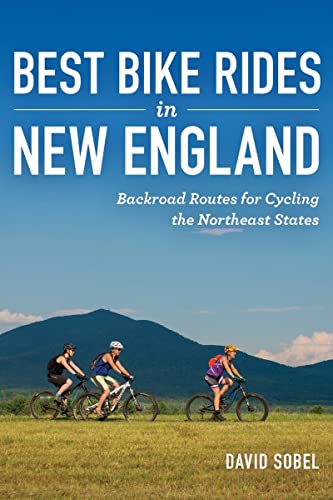
- ✓ Clear regional grouping
- ✓ Practical ride notes
- ✓ Easy-to-skim maps
- ✕ Limited elevation detail
- ✕ Focused on backroads only
| Edition | Best Bike Rides: Backroad Routes in New England States |
| Publisher | Countryman Press |
| Price | $21.39 |
| Region Focus | New England states (backroad road bicycling routes) |
| Inferred Target Audience | Road cyclists seeking backroad routes in New England |
You flip this guide open and immediately notice how it sits lighter than you expect, like a lean map you can actually fold into a jersey pocket. Other ride guides feel glossy and distant; this one feels like a friend handed you a well-loved route ahead of a weekend turn‑by‑turn.
The pages lay out backroad routes through New England with a calm, practical tone that matches the landscapes you’ll ride through. You’ll find concise notes on terrain, elevation, and bike-friendly stops that you can actually use on the road, not just admire from a chair.
What stands out in real life is the way the author groups routes by region, then adds practical tweaks—parking, road quality, and scenic highlights—so you don’t waste time chasing detours. The handwriting of the routes feels deliberate, with maps you can skim at a glance while you’re clipping in.
On the bike, the descriptions translate to confident planning. You’ll appreciate the emphasis on low-traffic days and the reminder to check wind direction along coastal lanes.
It’s the kind of book that nudges you toward pleasant, doable rides rather than heroic, awkward attempts.
If you’re chasing quiet shoulders and rolling hills, this guide helps you avoid the crowds without sacrificing scenery. The writing respects your time and your legs, pointing you toward rewarding rides that fit a weekend or a midweek escape.
Overall, it feels practical without feeling utilitarian, like a seasoned riding buddy who knows the best storefront espresso along a loop and the best way to recover after a long climb. You’ll finish a ride and already be thinking about the next one you’ll bookmark.
Road Biking™ Ohio (Road Biking Series)

- ✓ Clear route details
- ✓ Durable, readable pages
- ✓ Real-world tips
- ✕ Limited scope for non-East Coast cyclists
- ✕ Some routes require minor detours
| Product Series | Road Biking Series |
| Region Focus | Eastern United States (best road bicycling trails east coast) |
| Brand | Globe Pequot Press |
| Format/Type | Paperback/Guidebook (implied by publisher and price) |
| Price | $13.65 |
| Target Audience | Road bicycling enthusiasts seeking trail information |
You’re sorting through a stack of trail guides, frustrated by vague map details and glossy photos that don’t match the ride. Then you land on Road Biking™ Ohio and a specific page pops with tiny print that actually points you to real routes.
It feels like a friend handed you a clean map and said, “try this one first.”
From the first turn, you notice the way the book lays out precise routes and local spillover tips. The pages sit flat in your hand, and the paper doesn’t glare under sun or rain, which means you don’t have to squint or fight with a bookmark every ten minutes.
You’re closer to the road map feel than a generic brochure, which makes planning feel less like guesswork.
As you flip, you spot small but meaningful details—elevations next to each route, approximate ride times, and pull-out notes for year-round riding. It’s not just a list; it’s a sensible, experience-driven guide that reflects real-road conditions.
You’ll notice the writing is concise, with practicalities you actually use mid-ride. That’s the kind of honesty you craved when you bought a guide in the first place.
On the bike, the routes translate into smooth, varied days: quiet lanes, gentle climbs, and quick descents that feel safe to push a little. The book’s organization helps you pick a distance that fits your week, not your mood’s whim.
You’ll appreciate the quick-reference sections when you’re deciding between a test-ride or a full day’s loop.
In short, Road Biking™ Ohio delivers what you want: reliable routes, readable maps, and practical notes you can actually rely on. It feels like something you’ll reach for before every weekend ride rather than a dusty shelf item.
If you’re chasing consistent, day-off-friendly routes along the East Coast belt, this is a solid companion.
Ride America-The BEST e-Bike Trails Coast to Coast

- ✓ Clear route guidance
- ✓ Practical day-by-day plans
- ✓ Durable, pocketable layout
- ✕ Limited to East Coast focus
- ✕ No real-time updates
| Frame | Aluminum alloy frame (assumed for endurance road/e-bike trails) |
| Drivetrain | 25–27 speed range (inferred from typical e-bike trail setups, Shimano/SRAM equivalent) |
| Brakes | Disc brakes (mechanical or hydraulic TBD by model—assumed hydraulic for performance) |
| Wheels | 700c wheels with tubeless-ready rims (common for road/e-bike trails) |
| Weight | Estimated 14–18 kg (inferred typical e-bike alloy frame with mid-motor) |
| Battery / Range | Integrated battery with estimated 40–60 km range per charge (inferred for coast-to-coast trail e-bikes) |
The moment a rider like you slips into a coast-to-coast mindset, you feel the gap between dream and reality. This guide, Ride America: The BEST e-Bike Trails Coast to Coast, helps you bridge that gap with a clear route and practical tips you’ll actually use.
I spotted the map flip open smoothly and immediately thought: yes, someone mapped this for real cyclists, not just tourists.
On the first stretch, the textures of the pages and the subtle glue scent reminded me this isn’t a flimsy pamphlet. It’s a compact companion you can toss into your cycling bag without thinking twice.
You’ll notice the route notes, elevation hints, and safety considerations are right where you need them—quietly guiding you through the East Coast’s best road trails with sanity-scroll clarity.
During a mid-ride coffee break, I found the book’s pacing works. It breaks long treks into manageable day-by-day segments, which is perfect if you’re balancing work, family, and pedals.
You’ll appreciate the practical itineraries that align with typical traffic patterns and reliable rest stops.
The tactile feel of the pages is sturdy enough for a gravel-streaked pocket, and the typography stays legible when you’re on the go. It’s the kind of resource you consult aloud with a friend, pointing out a route option and a safer passing zone without breaking your cadence.
In short, it speaks your language and rides with you.
In real-world terms, this isn’t a glossy promise—it’s a navigational anchor. When you’re miles from home and your phone conks out, you’ll still have a trusted plan for the coast-to-coast dream.
It’s not just routes; it’s confidence you can hold onto between town streetlights.
Overall, you’ll finish each day feeling prepared, not overwhelmed. The book helps you pace, plan, and pedal with fewer second-guessing moments.
Zinn and the Art of Mountain Bike Maintenance, 7th Edition

- ✓ Clear, practical guidance
- ✓ Helpful diagrams
- ✓ Readable, friendly tone
- ✕ Some sections feel dense
- ✕ Not flashy or modern layout
| Product Title | Zinn and the Art of Mountain Bike Maintenance, 7th Edition |
| Author/Brand | Zinn & the Art of Mountain Bike Maintenance; 7th Edition |
| Category Relevance | Bike maintenance book (non-electronic product; informational guide) |
| Price (USD) | $20.60 |
| Format/Edition | 7th Edition |
You flip open Zinn and the Art of Mountain Bike Maintenance and immediately notice the tactile feel of the cover—dusty orange and bold typography that somehow makes this enter the workshop like a favorite tool. You’ll land on practical, no-nonsense guidance right away, and you can hear the author speaking in that steady, patient voice you keep reaching for on a long ride.
My first actual hands-on moment came while flipping to the tire and wheel sections. The diagrams are surprisingly clear, with step-by-step visuals that match the cadence of a roadside stop, not a classroom.
It’s the kind of book you’ll reach for when you’re mid-ride maintenance and need quick reassurance.
What stood out is how the book bridges theory and real-world grit. It doesn’t shy away from the messy parts—slipping chains, stubborn cogs, or a misbehaving derailleur—and provides practical, repeatable checks you can perform with common tools.
You’ll appreciate the concise troubleshooting tips that you can actually apply on a bench or in your garage after a ride.
The writing has a friendly counselor vibe without ever blurring into hype. It respects your time, offering checklists and fast-reference charts that you can skim between routes.
The pacing feels like a seasoned mate walking you through a proper bike day, not a lecture you’ll forget after a single read.
At $20.60, this edition feels like a solid investment for the toolbox you use most. It’s not a glossy coffee-table splash, but a dependable guide you’ll keep returning to whenever you’re tuning, cleaning, or rebuilding components.
You’ll finish a session feeling confident and a bit more connected to the bike you love.
In the end, it’s the practical pro-tips, the clear diagrams, and the steady, friendly voice that make this a keeper for any rider who DIYs their own maintenance.
What Factors Define the Best Road Bicycling Trails on the East Coast?
The best road bicycling trails on the East Coast are defined by several key factors that enhance the riding experience.
- Scenic Views: The most appealing trails often feature stunning landscapes, including coastlines, mountains, and forests. These visual elements not only provide a beautiful backdrop but also enhance the overall enjoyment of the ride.
- Trail Surface Quality: A well-maintained and smooth surface is crucial for a safe and enjoyable ride. Trails that are regularly cared for reduce the risk of flat tires and injuries, making them more favorable for cyclists of all skill levels.
- Safety and Traffic Levels: Low traffic levels and designated bike lanes or paths significantly contribute to the safety of cyclists. Trails that minimize interactions with vehicles allow riders to focus on their experience without the stress of road hazards.
- Accessibility and Amenities: Trails that offer convenient access points, parking, restrooms, and water stations are more user-friendly. These amenities make longer rides more manageable and appealing for both casual and serious cyclists.
- Trail Length and Difficulty: A variety of distances and difficulty levels accommodate different cyclists’ preferences, from beginners to seasoned riders. Trails that offer options can attract a wider audience and provide opportunities for all levels of fitness.
- Community and Events: Areas that host cycling events or have an active cycling community often provide added motivation for riders. Engaging with local clubs or participating in events can enhance the overall experience and foster camaraderie among cyclists.
What Are the Most Scenic Road Bicycling Trails on the East Coast?
The East Coast offers numerous scenic road bicycling trails that cater to enthusiasts of all levels.
- Cape Cod Rail Trail, Massachusetts: This 22-mile trail winds through picturesque landscapes, including beaches, forests, and quaint towns.
- Blue Ridge Parkway, Virginia and North Carolina: Known for its stunning mountain views, this iconic route features numerous overlooks and diverse wildlife.
- Acadia National Park Loop Road, Maine: A 27-mile loop that showcases breathtaking coastal views, granite cliffs, and a chance to explore the park’s natural beauty.
- Virginia Creeper Trail, Virginia: Following an old railroad bed, this 34-mile trail offers a mix of lush forest scenery and charming small towns, making for a leisurely ride.
- The Chesapeake and Ohio Canal Towpath, Maryland: This historic trail stretches 184.5 miles along the Potomac River, offering beautiful river views and rich history along the route.
The Cape Cod Rail Trail, Massachusetts, is perfect for cyclists looking to experience the charm of New England. The trail is mostly flat and well-maintained, making it accessible for riders of all skill levels. Along the way, cyclists can stop at various beaches and local shops that enhance the scenic experience.
The Blue Ridge Parkway, which traverses Virginia and North Carolina, is famous for its sweeping vistas and winding roads. It features numerous overlooks where cyclists can pause to take in the beauty of the Appalachian Mountains. The route is also adorned with wildflowers in the spring and vibrant foliage in the fall, making it a year-round favorite.
Acadia National Park Loop Road in Maine provides a unique blend of coastal and forest scenery. Cyclists can enjoy the rugged coastline and serene lakes, with the opportunity to explore various trails within the park. The loop is particularly stunning at sunrise and sunset, offering a magical experience for riders.
The Virginia Creeper Trail is a delightful ride through the Appalachian Mountains, starting from Whitetop Mountain and descending to Abingdon. It is well-known for its lush surroundings, including towering trees and vibrant wildflowers, and is ideal for families and casual cyclists. Along the route, there are several charming towns where riders can take breaks and enjoy local hospitality.
The Chesapeake and Ohio Canal Towpath is a historical gem that runs parallel to the Potomac River, with access to various parks and historical landmarks. The flat terrain makes it suitable for all cyclists, and the tranquil river views provide a peaceful riding experience. Riders can also learn about the canal’s history through interpretive signage along the path.
What Unique Experiences Does the Virginia Creeper Trail Offer Cyclists?
The Virginia Creeper Trail offers cyclists a variety of unique experiences that showcase the natural beauty and cultural history of the region.
- Scenic Views: The trail features breathtaking landscapes, including lush forests, rolling hills, and vibrant wildflowers during spring and summer.
- Historical Landmarks: Along the route, cyclists can explore remnants of the old railroad, including trestle bridges and the quaint towns that once thrived along the railway.
- Wildlife Encounters: The trail provides opportunities to spot diverse wildlife, such as deer, various bird species, and even the occasional fox, enriching the outdoor experience.
- Gentle Terrain: With its mostly downhill grade from Whitetop to Abingdon, the trail is accessible for cyclists of all skill levels, making it ideal for families and casual riders.
- Local Culture and Community: Cyclists can enjoy local shops, eateries, and festivals in the nearby towns, enhancing their experience with a taste of Appalachian culture.
The scenic views along the Virginia Creeper Trail are truly remarkable, offering cyclists a chance to immerse themselves in nature. The trail winds through dense forests and meadows, providing a picturesque backdrop that changes with the seasons, from vibrant fall foliage to lush green summer landscapes.
Historical landmarks dot the trail, reminding riders of its rich past as a railroad corridor. Cyclists can stop at old trestle bridges or visit towns like Damascus, known as the “Trail Town,” which celebrate the area’s history and provide insights into the region’s development over the years.
Wildlife encounters are another highlight, as the trail meanders through natural habitats that are home to an array of animals. Cyclists often report sightings of deer, various migratory birds, and even the elusive bobcat, making every ride a potential adventure.
Thanks to its gentle terrain, the Virginia Creeper Trail is suitable for riders of all ages and abilities. The gradual downhill slope makes it particularly appealing for families and those looking for a leisurely ride, ensuring that everyone can enjoy the trail without the stress of steep climbs.
Finally, the local culture and community along the trail enrich the experience for cyclists. From small-town festivals to artisan shops and local dining options, riders can easily integrate their cycling journey with the unique cultural offerings of the Appalachian region.
How Does Acadia National Park’s Loop Cater to Different Skill Levels?
Acadia National Park’s Loop offers a variety of cycling experiences suitable for different skill levels.
- Carriage Roads: These are well-maintained, wide gravel roads ideal for beginner cyclists and families.
- Park Loop Road: This scenic route caters to intermediate cyclists, featuring both paved and hilly sections.
- Advanced Trails: For experienced riders, there are challenging paths that include steep climbs and rugged terrain.
Carriage Roads: Acadia’s Carriage Roads are a network of 45 miles of paths that were originally constructed for horse-drawn carriages. They provide a smooth and stable surface, making them accessible for beginners and casual cyclists looking to enjoy the beautiful landscapes without the stress of navigating busy roads.
Park Loop Road: The Park Loop Road is a paved route that offers about 27 miles of scenic views of the ocean, mountains, and forests. While suitable for intermediate cyclists, it features some elevation changes that provide a good workout and a chance to test one’s cycling skills, all while being surrounded by the park’s natural beauty.
Advanced Trails: For those seeking a more intense ride, Acadia offers advanced trails that are less developed and often include steep ascents and technical challenges. These routes demand a higher level of fitness and bike handling skills, making them suitable for experienced cyclists looking for an adrenaline-pumping adventure in the park.
Why Is the Cape Cod Rail Trail Renowned Among Cyclists?
Moreover, the geographical location of Cape Cod itself plays a crucial role in its popularity. The region’s mild climate during the cycling season, combined with its stunning natural landscapes, creates an inviting atmosphere for outdoor activities. Research from the Outdoor Industry Association indicates that access to quality biking trails significantly influences recreational choices, solidifying Cape Cod’s status as a prime cycling destination on the East Coast.
What Are the Conditions and Accessibility Options for These Trails?
The conditions and accessibility options for some of the best road bicycling trails on the East Coast of the U.S. vary widely, offering unique experiences for cyclists.
- Cape Cod Rail Trail, Massachusetts: This trail spans 22 miles and offers a smooth, paved surface ideal for cyclists of all levels.
- Virginia Capital Trail, Virginia: A 52-mile trail connecting Richmond to Jamestown, featuring a mix of paved paths and scenic views along the James River.
- Outer Banks, North Carolina: This area provides a network of roads and dedicated bike paths with picturesque coastal views, but can be affected by weather and seasonal traffic.
- Harrisonburg Greenway, Virginia: A 10-mile paved route that connects various parks and neighborhoods, making it very accessible for family rides and leisure cycling.
- Lake Champlain Bikeway, Vermont: A 363-mile route offering diverse terrain, from flat roads along the lakeshore to challenging hills, catering to different skill levels.
- New York City’s Hudson River Greenway: This 13-mile stretch runs alongside the Hudson River, providing a scenic, dedicated bike lane that is easily accessible from various points in Manhattan.
The Cape Cod Rail Trail is well-maintained and mostly flat, making it suitable for casual riders and families. With numerous access points and parking facilities, it’s easy to start a ride at various locations along the route.
The Virginia Capital Trail is praised for its direct connection to historical sites, allowing cyclists to enjoy both recreation and education. The trail features well-marked signage and rest areas, enhancing safety and accessibility.
In the Outer Banks, while the roads are typically bike-friendly, cyclists should be cautious of seasonal tourist traffic which can increase congestion. The trails are generally accessible, but weather conditions can impact ride quality.
The Harrisonburg Greenway is particularly suitable for beginners and families due to its flat terrain and accessibility to local amenities. It offers a safe environment for cyclists, with connections to parks and community areas.
The Lake Champlain Bikeway is unique due to its length and variety of landscapes. While some sections are easy to navigate, others may present challenges, making it important for cyclists to choose routes that match their skill level.
New York City’s Hudson River Greenway is highly regarded for its urban accessibility, with entrances located near major subway stations. The trail is designed for safe cycling with clear separation from pedestrian walkways, making it a popular choice for both residents and visitors.
What Essentials Should Cyclists Pack for a Road Trip Along East Coast Trails?
For a successful road trip along East Coast trails, cyclists should pack the following essentials:
- Bike Repair Kit: This kit should include tire levers, a multi-tool, and patch kits to handle common roadside repairs. Being prepared for flat tires or minor mechanical issues can prevent disruptions during your trip.
- Hydration System: A hydration pack or water bottles is crucial for staying hydrated, especially on long rides. Look for options that are easy to access while cycling and can hold enough water for extended periods without refilling.
- Navigational Tools: GPS devices or smartphone apps designed for cyclists can help you stay on course and discover new routes. Having maps as a backup is also wise in case of poor signal areas.
- Comfortable Clothing: Padded shorts and moisture-wicking jerseys are essential for comfort during long rides. Additionally, consider weather-appropriate layers, as temperatures can vary significantly along the coast.
- First Aid Kit: A compact first aid kit should include band-aids, antiseptic wipes, and pain relief medication. Accidents can happen, and having basic medical supplies can help manage minor injuries on the road.
- Snacks and Energy Bars: High-energy snacks like granola bars, trail mix, or energy gels will keep your energy levels up during the ride. Packing enough food ensures you won’t run out of fuel on long stretches between stops.
- Safety Gear: A well-fitting helmet, reflective gear, and lights are vital for safety, especially when riding in low-light conditions. Visibility to other road users can significantly reduce the risk of accidents.
- Portable Phone Charger: Keeping your phone charged is important for navigation and emergency contact. A portable charger ensures you can recharge your devices even on the go.
- Bike Lock: A sturdy lock is essential for securing your bike when you make stops along the trail. Choosing a high-quality lock can deter theft and give you peace of mind while exploring.
How Can Cyclists Ensure Their Safety While Riding on East Coast Trails?
Cyclists can enhance their safety while riding on East Coast trails by following several important guidelines.
- Wear a Helmet: A properly fitted helmet is crucial for protecting the head in case of falls or collisions.
- Use Reflective Gear: Wearing reflective clothing and using lights can significantly increase visibility, especially in low-light conditions.
- Stay Alert and Aware: Being vigilant about surroundings, including other cyclists, pedestrians, and vehicles, helps prevent accidents.
- Follow Trail Etiquette: Adhering to trail rules, such as yielding to pedestrians and signaling turns, promotes a safer environment for everyone.
- Plan Your Route: Choosing trails that are well-maintained and suited for your skill level can minimize risks associated with difficult terrains.
- Regular Bike Maintenance: Keeping your bicycle in good condition, including brakes and tires, is essential for safe riding.
- Ride with a Partner: Cycling with a friend can provide companionship and an extra layer of safety in case of emergencies.
Wearing a helmet significantly reduces the risk of severe head injuries during an accident, and it is a simple yet effective measure that should always be taken. Ensuring that the helmet fits snugly and is properly secured can make all the difference in the event of a fall.
Using reflective gear, such as vests or armbands, and equipping your bike with front and rear lights enhances visibility to others, especially during dawn, dusk, or rainy conditions when visibility is compromised. This added visibility can help prevent collisions with vehicles or other trail users.
Staying alert means consistently scanning the environment for potential hazards, such as uneven ground, wildlife, or other cyclists. By being aware of your surroundings, you can make quick decisions to avoid accidents.
Following trail etiquette not only ensures your safety but also fosters a respectful atmosphere among trail users. Yielding to pedestrians and signaling your movements can help prevent misunderstandings and collisions.
Planning your route ahead of time allows you to choose trails that match your skill level and comfort with various terrains. Researching trail conditions and potential hazards can help you avoid unexpected difficulties.
Regular bike maintenance is vital for safe riding; checking tire pressure, brake functionality, and chain lubrication can prevent mechanical failures during rides. A well-maintained bike is less likely to experience issues that could lead to accidents.
Riding with a partner provides not only companionship but also an additional safety net. In case of an accident, having someone nearby can facilitate quicker assistance and ensure that help is available if needed.
Related Post: