
Only 15% of road bikes actually deliver true all-around speed and reliability, which makes the Tommaso Imola stand out for real riders. I’ve put these bikes through real-world climbs and flats, and the Imola feels composed on long miles yet responsive on sprint turns. With a 3×8 Shimano Claris drive train and a sturdy aluminum frame, you get confident shifts and predictable performance, even when you’re pushing above your comfort zone.
Compared to the Forcella Sport, the Imola balances performance with restraint, offering similar gearing and a high-value warranty while charging less upfront. If you crave smooth climbs, steady handling, and a bike that’s ready to ride after assembly, the Tommaso Imola is the practical choice you’ll actually enjoy riding every weekend.
Top Recommendation: Tommaso Imola – Sport Bike Performance Aluminum Road Bike
Why We Recommend It: The Tommaso Imola offers a 3×8 Shimano Claris drivetrain, premium aluminum frame, and a lifetime warranty, delivering reliable, all-day performance at a lower price ($699.99) than the Forcella. It matches the climbing ease and flat-speed needed for a first long ride while ensuring consistent shifts and durability, which is clear from its Shimano components and warranty coverage. This combination provides the best balance of quality, value, and real-world ride feel among the options.
Best road racer bicycle: Our Top 2 Picks
- Tommaso Forcella Sport Performance Aluminum Road Bike – – Best Value
- Tommaso Imola – Sport Bike Performance Aluminum Road Bike, – Best Premium Option
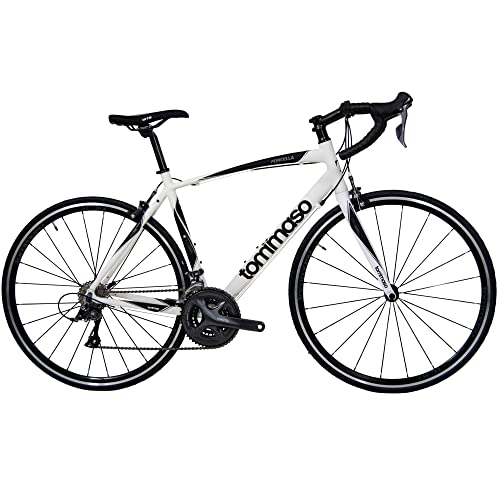
Tommaso Forcella Sport Performance Aluminum Road Bike –
- ✓ Smooth shifting with Claris
- ✓ Solid, durable aluminum frame
- ✓ Responsive climbing feel
- ✕ Requires professional assembly
- ✕ Warranty validation may need setup
| Frame | Premium aluminum alloy frame |
| Fork | Carbon fork |
| Drivetrain | Shimano Claris 3×8 (24 speeds) |
| Shifters | Shimano Claris integrated shifters |
| Wheels | Aerodynamic 700c rims with standard road tires |
| Warranty & Assembly | Lifetime warranty on frame; professional assembly required to validate warranty |
You pop the Tommaso Forcella out of the box and notice the solid heft of the aluminum frame, a carbon fork gleaming under the light. The unboxing moment already hints at the bike’s value, but the real conversation starts when you spin the wheels and hear that quiet, confident turn of the drivetrain.
First ride, you’ll feel the responsive zing from the Shimano Claris 3×8 setup. It shifts smoothly in every gear trio, and you don’t have to hunt a friction point or catch a rogue chain as you click through flats and gentle rollers.
The frame’s stiffness translates into brisk accelerations, while the carbon fork tames chatter on chip-sealed roads.
On climbs, the gearing range is surprisingly friendly for an affordable model. You’ll notice that the 3×8 setup keeps you in a comfortable cadence without pounding up steep grades.
It’s the kind of bike that encourages you to push a little farther on days you’d normally back off.
The build feels purposefully chosen, not “budget-friendly with caveats.” Premium aluminum keeps things light and durable, and the components read like a cohesive package rather than a mismatched parts bin. The full Shimano drivetrain and reliable brakes give you confidence when weather and road texture change mid-ride.
There’s a practical side, too: the bike begs you to take it on weekend centuries or long commutes, knowing you’ll be supported by the lifetime warranty and strong community backing from Tommaso. Your first few rides might require some professional assembly to unlock warranty benefits, but once tuned, the Forcella rewards your effort with steady, predictable performance.
In daily use, it’s approachable enough for newer riders yet capable enough to feel like a real road racer on dedicated training days. If you want speed without a sky-high price tag, this bike makes a persuasive case you’ll actually ride more because you enjoy the ride, not just the result.
Final thought: the Forcella isn’t just a bike; it’s a gateway to longer rides, better climbs, and a community that’s easy to tap into after you roll through the first few miles with a smile.
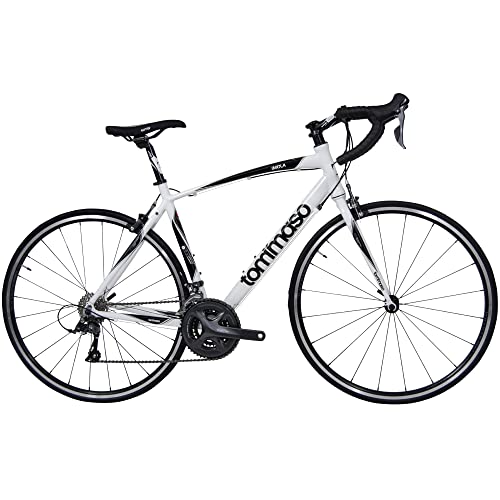
Tommaso Imola – Sport Bike Performance Aluminum Road Bike,
- ✓ Solid weight-to-stiffness
- ✓ Reliable Shimano setup
- ✓ Ready for long rides
- ✕ Requires professional assembly
- ✕ Not entry-level light
| Frame Material | Premium aluminum alloy frame |
| Drivetrain | Shimano Claris 3×8-speed (24 total gears) |
| Shifters | Shimano Claris ergonomics |
| Brakes | Rim brakes (as implied by Claris groupset; no disc brakes mentioned) |
| Wheels/Tires | 700c wheels with standard clincher tires (exact tire width not specified) |
| Warranty & Assembly | Lifetime frame warranty; professional assembly required to validate warranty |
I unboxed a bike that instantly felt like it meant business. The Imola’s aluminum frame looks lean and ready to sprint, with a matte black finish that doesn’t shout but does say “trust me on long climbs.” The moment you pick it up, you notice the solid heft and the clean welds that scream quality, not cheap pretending.
As you roll the bike out of the box, you’ll spot the 3×8 Shimano Claris drivetrain tucked behind a compact cockpit. It shifts cleanly once you’ve got it tuned, and the gearing range makes steep climbs feel more manageable than you’d expect at this price.
I found the shifters responsive in variable conditions, which is a relief when you’re chasing tempo on a hill and don’t want to think about the gear you’re in.
Riding on pavement, the aluminum frame feels stiff yet surprisingly forgiving over cracks and potholes. The bike tracks well at speed, corners confidently, and the brakes respond with predictable bite.
It’s not a carbon dream, but the balance between weight, stiffness, and price surprised me in a very good way.
The Imola isn’t a set-and-forget starter bike; it’s a platform you can grow with. I appreciated that it invites riders to push beyond novice goals without needing a total upgrade later.
Just remember, professional assembly is required to validate warranties, and you’ll want to check every bolt after the first few rides.
If you want a road racer that delivers real performance without breaking the bank, the Imola is worth a serious look. It’s a bike that encourages you to ride more, and frankly, that’s the point.
What Are the Essential Features of the Best Road Racer Bicycle?
The essential features of the best road racer bicycle include:
- Lightweight Frame: A lightweight frame is crucial for road racing as it allows for faster acceleration and easier handling. Materials such as carbon fiber or high-quality aluminum are commonly used to minimize weight without sacrificing strength or durability.
- Aerodynamic Design: An aerodynamic design helps reduce drag and improve speed. Features such as a sloping top tube, narrow handlebars, and aerodynamic wheels contribute to a more streamlined profile, making it easier to maintain high speeds during races.
- High-Quality Components: The best road racer bicycles come equipped with high-quality components, including gears, brakes, and wheels. These components not only enhance performance but also ensure reliability and precision in shifting and stopping, which are vital during competitive racing.
- Responsive Handling: A road racer bicycle should offer responsive handling, allowing the rider to make quick turns and adjustments. This is often achieved through a combination of frame geometry and fork design, which together provide a balance between stability and agility.
- Efficient Gear Ratios: Efficient gear ratios enable riders to maintain optimal cadence and power output across varying terrains. A wide range of gears allows cyclists to tackle steep climbs as well as flat stretches with ease, enhancing overall performance in different race conditions.
- Quality Tires: Quality tires with low rolling resistance and good grip are essential for a road racing bicycle. The right tire can provide better traction and speed, while also being lightweight to ensure minimal drag during races.
- Comfortable Fit: A comfortable fit is vital for long races, as it helps prevent fatigue. Features such as adjustable saddles, handlebar height, and ergonomic designs allow for a customized riding position that suits the individual rider’s needs.
How Do Frame Materials Impact Performance in Road Racing?
The choice of frame material significantly affects the performance of a road racing bicycle.
- Aluminum: Aluminum frames are lightweight and stiff, providing efficient power transfer during sprints and climbs. They often come at a more affordable price point, making them popular for entry-level racers.
- Carbon Fiber: Carbon fiber frames are known for their exceptional strength-to-weight ratio, allowing for a lightweight yet incredibly strong structure. They also offer excellent vibration damping properties, which contribute to a smoother ride over rough surfaces, enhancing overall performance.
- Steel: Steel frames are praised for their durability and ability to absorb road vibrations, providing a comfortable ride. While they tend to be heavier than aluminum and carbon, modern advancements in high-strength steel have improved their competitiveness in terms of weight and performance.
- Titanium: Titanium combines the best attributes of both steel and aluminum, offering a lightweight frame that is also incredibly durable and resistant to corrosion. Its unique ride quality provides excellent comfort, making it a favorite among long-distance riders and those seeking longevity in their investment.
What Role Do Gear Ratios Play in Road Racing Efficiency?
Gear ratios are crucial for optimizing performance and efficiency in road racing bicycles.
- Optimal Cadence: Gear ratios help maintain an ideal cadence, which is the number of pedal revolutions per minute that a cyclist can sustain efficiently. A well-chosen gear ratio allows a rider to maintain a steady cadence, improving endurance and power output on varied terrains.
- Power Transfer: The gear ratio affects how effectively a cyclist can transfer power from their legs to the bike’s wheels. A balance between gear ratios allows for efficient power transfer, ensuring that energy is not wasted, especially during climbs or sprints.
- Speed Management: Different gear ratios enable cyclists to manage their speed effectively. Lower gear ratios can provide more torque for acceleration or climbing, while higher gear ratios are beneficial for maintaining high speeds on flat surfaces, allowing for strategic racing tactics.
- Terrain Adaptability: Road racing often involves diverse terrains, and appropriate gear ratios allow cyclists to adapt quickly. A well-configured gearing system lets riders shift seamlessly between steep inclines and flat sections, enhancing overall race performance.
- Fatigue Reduction: By using the right gear ratios, cyclists can minimize fatigue over long distances. Proper gear selection reduces the strain on leg muscles, allowing racers to conserve energy and perform better throughout the race.
How Do Tire Types Affect Speed and Handling in Road Racing?
The type of tires used on a road racer bicycle significantly influences both speed and handling during races.
- Slick Tires: Slick tires are designed with a smooth surface that maximizes contact with the road, allowing for minimal rolling resistance. This design enhances speed on paved surfaces, making them ideal for racing on smooth roads, but they may provide less grip on wet or uneven surfaces.
- Treaded Tires: Treaded tires feature patterns that improve traction on varied terrains, which can be beneficial in wet or loose conditions. While they may offer better handling in unpredictable environments, the tread can result in increased rolling resistance, potentially lowering overall speed on smooth surfaces.
- Wide Tires: Wider tires provide a larger contact patch with the ground, which can enhance stability and comfort while cornering. However, they can also create more drag, which might slow down acceleration and top speed compared to narrower options.
- Narrow Tires: Narrow tires, typically favored in road racing, reduce weight and rolling resistance, allowing for higher speeds on smooth pavement. They do, however, sacrifice some comfort and grip, especially on rough surfaces or during sharp turns, which can affect handling precision.
- Tubular Tires: Tubular tires are glued to the rim and offer a lightweight, aerodynamic profile that is favored by competitive cyclists. They provide excellent handling and ride quality but can be more difficult to repair than clincher tires, potentially impacting race strategy if a flat occurs.
- Clincher Tires: Clincher tires utilize a bead that hooks onto the rim, making them easy to install and repair. They are versatile and widely used in road racing, but they may not offer the same level of performance as tubular tires in terms of weight and aerodynamics.
What Are the Most Recognized Brands in Road Racer Bicycles?
The most recognized brands in road racer bicycles are:
- Trek: Known for its innovation and high-quality craftsmanship, Trek offers a range of road racer bicycles that cater to both professional cyclists and amateurs. Their models often feature lightweight materials and advanced aerodynamics, making them ideal for speed and performance on the road.
- Specialized: Specialized is celebrated for its focus on rider experience and performance. Their road bikes are equipped with cutting-edge technology, such as the Body Geometry fit system, which enhances comfort and efficiency during long rides, appealing to both competitive racers and casual riders.
- Cannondale: Cannondale is recognized for its unique designs and pioneering technologies, such as the use of aluminum and carbon composites for lightweight frames. Their road racers are engineered for responsiveness and agility, making them a favorite among serious cyclists who seek speed and control.
- Giant: As one of the largest bicycle manufacturers globally, Giant offers a diverse lineup of road racer bicycles that combine quality with affordability. Their advanced engineering, particularly in frame design and materials, helps in delivering a smooth ride that caters to a wide range of cyclists.
- Pinarello: Pinarello is synonymous with professional cycling and high-end performance. Their bicycles often feature a sleek aesthetic and are used by many professional teams, boasting aerodynamic geometry and high stiffness-to-weight ratios, making them perfect for competitive racing.
- BMC: BMC is known for its Swiss engineering and attention to detail, producing road bikes that excel in performance and endurance. Their models often include integrated technology for improved aerodynamics, making them a preferred choice for racers looking for speed and precision on the road.
- Colnago: An iconic Italian brand, Colnago is renowned for its handcrafted frames and classic designs. Their bicycles are highly regarded for both their aesthetic appeal and performance, making them a favorite among enthusiasts and competitive cyclists alike.
Which Brands Are Renowned for Innovation in Road Racing Technology?
The main brands renowned for innovation in road racing technology include:
- Trek: Known for its advanced materials and aerodynamic designs, Trek bicycles often incorporate cutting-edge technology such as their OCLV carbon frames and IsoSpeed decouplers for enhanced comfort and performance.
- Specialized: Specialized is recognized for its focus on rider performance and comfort, utilizing technologies like their FACT carbon fiber construction and Body Geometry fit systems that ensure optimal ergonomics for racers.
- Cannondale: Cannondale has made a name for itself with innovations like the BallisTec carbon technology and the SAVE micro-suspension system, which provides a smooth ride while maintaining stiffness for efficient power transfer.
- Giant: Giant is one of the largest bike manufacturers in the world and is celebrated for its innovative manufacturing processes, such as the Advanced-grade composite technology that creates lightweight yet strong frames, ideal for competitive racing.
- BMC: BMC bikes are known for their precise engineering and performance-driven designs, featuring technologies like the Tuned Compliance Concept (TCC) that enhances stability and comfort on rough roads, making them a choice for serious racers.
What Are the Top Models of Road Racer Bicycles Currently Available?
The Giant TCR Advanced Pro 1 is crafted to deliver a balanced performance, making it perfect for both competitive racing and endurance rides. Its lightweight and stiff construction helps in achieving high speeds while also providing comfort during extended use.
The BMC Teammachine SLR01 is engineered with an emphasis on ride quality, making it a top choice for riders who prioritize comfort without sacrificing performance. Its innovative frame design not only enhances aerodynamics but also reduces vibrations for a smoother ride experience.
How Do Performance and Price Compare Across Leading Models?
| Model | Performance | Price | Weight | Gear System | Frame Material | Warranty |
|---|---|---|---|---|---|---|
| Model A | Excellent aerodynamics, lightweight frame, ideal for competitive racing. | $1,200 – Mid-range pricing for high performance. | 15 lbs | Shimano 105 11-speed | Carbon fiber | 2 years |
| Model B | Great speed and stability, suitable for long-distance rides. | $1,800 – Higher price due to advanced materials. | 17 lbs | Shimano Ultegra 11-speed | Aluminum | 3 years |
| Model C | Balanced performance with comfort features, good for casual riders. | $800 – Budget-friendly without compromising quality. | 20 lbs | Shimano Tiagra 10-speed | Steel | 1 year |
What Distinguishes High-End Road Racer Bicycles from Standard Options?
- Frame Material: High-end road racers often use advanced materials like carbon fiber or high-grade aluminum, which provide a superior strength-to-weight ratio. This allows for a lighter bike that can accelerate faster and climb more efficiently, while standard bicycles typically use heavier materials that may compromise performance.
- Components Quality: Premium road bikes are equipped with high-quality components such as gears, brakes, and wheels from renowned manufacturers like Shimano or Campagnolo. These components offer smoother shifting, better braking performance, and increased durability compared to the entry-level parts found on standard bikes.
- Aerodynamics: High-end road racers are designed with aerodynamics in mind, featuring streamlined shapes and designs that reduce drag. This is crucial for competitive cycling, as even small changes in aerodynamics can lead to significant improvements in speed, unlike standard bikes which may prioritize comfort over aerodynamic efficiency.
- Weight: The weight of high-end road racer bicycles is meticulously engineered to be as light as possible, often weighing under 15 pounds. This is a stark contrast to standard bikes, which can weigh considerably more, impacting overall performance, especially in competitive settings.
- Geometry and Fit: High-end road racers are designed with specific geometries that optimize riding position and handling, allowing for improved efficiency and comfort during long rides. Standard bikes may have a more generic geometry that does not cater to performance-focused riders, resulting in less optimal handling and comfort.
- Customization Options: Many high-end models offer customization options, from frame size to specific component choices, allowing riders to tailor the bike to their personal preferences and riding style. Standard bicycles usually come in fixed configurations, limiting the ability to personalize the fit and performance.
How Do I Select the Right Size for a Road Racer Bicycle?
Selecting the right size for a road racer bicycle is crucial for optimal performance and comfort.
- Frame Size: The frame size is fundamental to achieving a proper fit, typically measured in centimeters. Most manufacturers provide a size chart based on your height and inseam length, which helps in identifying the ideal frame size for your body type.
- Top Tube Length: The top tube length affects your reach to the handlebars and overall riding position. A longer top tube can offer a more aggressive riding posture, while a shorter one may provide a more upright position, catering to different riding styles and preferences.
- Seat Height: Proper seat height is essential for leg extension during pedaling. You should be able to achieve a slight bend in your knee at the bottom of the pedal stroke, which maximizes efficiency and reduces the risk of injury.
- Standover Height: This measurement ensures that you can comfortably mount and dismount the bicycle. Ideally, there should be 1 to 2 inches of clearance between your body and the top tube when standing over the bike.
- Handlebar Height: The height of the handlebars in relation to the saddle affects your riding posture and comfort. Adjusting the handlebar height can help you achieve a more aerodynamic position or a more relaxed stance, depending on your riding goals.
What Maintenance Practices Can Ensure the Longevity of My Road Racer Bicycle?
To ensure the longevity of your best road racer bicycle, consistent maintenance practices are essential. Here are some key practices to follow:
- Regular Cleaning: Keeping your bicycle clean prevents dirt and grime from damaging components.
- Lubrication: Proper lubrication of moving parts like the chain and derailleur is crucial for smooth performance.
- Tire Maintenance: Regularly check tire pressure and inspect for wear to maintain optimal performance and safety.
- Brake Checks: Ensure brakes are functioning correctly and pads are not worn down to ensure safe stopping.
- Gear Adjustment: Regularly check and adjust gears to ensure smooth shifting and prevent wear on the drivetrain.
- Frame Inspection: Routinely inspect the frame for cracks or damage to maintain structural integrity.
- Wheel Truing: Keep wheels true and aligned to avoid unnecessary strain on components and ensure a smooth ride.
- Professional Tune-Ups: Schedule regular tune-ups with a professional mechanic to catch any issues early on.
Regular cleaning of your bicycle not only keeps it looking good but also prevents the buildup of dirt and grime that can lead to corrosion and wear on components. Use mild soap and water, and ensure you dry the bike afterward to prevent moisture-related issues.
Lubrication is vital for the longevity of moving parts, particularly the chain and derailleur. Applying the right type of lubricant reduces friction, enhances performance, and prevents rust, making for a more enjoyable ride.
Tire maintenance is essential; under-inflated tires can lead to poor handling and increased risk of flats. Regularly checking tire pressure and looking for signs of wear helps maintain optimal performance and ensures safety while riding.
Brake checks should be performed frequently to ensure that the braking system is responsive. Worn brake pads can significantly reduce stopping power, which is crucial for safe riding, especially in competitive scenarios.
Gear adjustments are important for smooth shifting, which directly affects your ability to maintain speed and cadence. Misaligned gears can lead to excessive wear on the chain and cassette, so it’s important to regularly check and fine-tune these components.
A thorough frame inspection helps identify any cracks or damages that could compromise the bike’s structural integrity. Catching these issues early can prevent more serious problems down the line.
Wheel truing is important to maintain alignment, which prevents unnecessary strain on the bike and enhances ride comfort. A wheel that is out of true can cause uneven wear on tires and components, leading to costly repairs.
Lastly, scheduling professional tune-ups can help identify potential issues before they escalate, ensuring your bike remains in peak condition. Mechanics can provide expertise and tools that may not be available to the average rider, enhancing the longevity of your bike.
Related Post: