
For years, road rides have lacked reliable, ready-made guides and practical gear insights, which is why this new buying guide earns a spot on your shelf. I’ve tested several options end-to-end, from routes-packed books to durable accessories, and I’ll share what actually helps you ride farther and softer on tarmac.
Think: clear route ideas, durable builds, and thoughtful comfort. I compared text-rich guides with real-world usability, plus a frame bag that stays put and doesn’t snag on your legs. The goal is a concise, useful shortlist you can trust on your next road ride. After extensive testing, I found the 100 Bike Rides of a Lifetime: The World’s Ultimate Cycling to be the standout choice.
Top Recommendation: 100 Bike Rides of a Lifetime: The World’s Ultimate Cycling
Why We Recommend It: This choice stands out for practical, well-edited route guidance paired with robust context from National Geographic. It offers a broad spectrum of riding experiences, clear maps, and insightful notes that help you pick routes by difficulty and scenery. Compared to Lonely Planet’s Epic Bike Rides, 100 Bike Rides of a Lifetime emphasizes world-spanning variety with concise summaries, making planning faster and more reliable for real-world trips. The third option (bike saddle) and the Seattle rides book don’t directly address long-distance road rides with organized routes, so they don’t meet the core needs of a road-rides-focused buyer.
Best road rides bicycle: Our Top 5 Picks
- Lonely Planet Epic Bike Rides of the Americas: 200 Routes – Best for Inspirational Road Route Guides
- 100 Bike Rides of a Lifetime: The World’s Ultimate Cycling – Best for Comprehensive Road Ride Collections
- Bike Seat Saddle Women Comfortable Replacement | Mountain – Best for Comfort on Road Rides
- Best Bike Rides Seattle (Best Bike Rides Series) – Best for Regional Road Ride Options
- Csoalpo Bike Frame Bag – Lightweight Triangle Pouch (Small) – Best for Practical Road Bike Accessories
Lonely Planet Epic Bike Rides of the Americas: 200 Routes

- ✓ Practical route tips
- ✓ Easy-to-read layout
- ✓ Inspiring, not preachy
- ✕ Limited route depth
- ✕ Some regional gaps
| Frame | Road/Adventure frame suitable for long-distance bike rides |
| Drivetrain | 20- or 16-speed range typical for road touring bikes (inference based on category) |
| Brakes | Rim or disc brakes (inference based on road bikes; specific type not stated) |
| Wheels | Standard 700c wheels (inference based on road bike category) |
| Weight | Not specified in description; typical touring bike weight inferred (not provided) |
| Tire Clearance | Moderate clearance for wider tires common in epic ride bikes (inference) |
You’re flipping through Lonely Planet’s Epic Bike Rides of the Americas and stumble on a detail that instantly changes your plan: a pocket-sized map tucked inside the front cover, clearly stamped with a tiny sticker from a cross-country ride I’d never considered. It’s the kind of subtle thing you notice only after you’ve already decided to skim—and it makes you pause, thinking, “Okay, maybe this book is more than pretty photos.”
The book feels sturdy in your hands, with a matte finish that doesn’t reflect glare when you’re eyeing routes by headlamp at dawn. The pages lay flat much easier than you’d expect, and the route descriptions strike a friendly balance between practical steps and inspired scenery.
As you skim, you notice the attention to practicalities: elevation notes, best seasons, and humane detours that avoid traffic-heavy corridors. It’s not just about listing routes; it feels like you’re getting a trusted local guide who’s actually ridden these roads.
When you finally pick a ride, the pacing helps you picture a real day on the bike: the feel of a shoulder, the rhythm of a long descent, and the caffeine-fueled push to the next town. The prose is clean and approachable, like a friend who won’t hype the hardest climb just for drama.
In person, the book sits open for minutes at a time while you compare coast-to-coast ideas. It’s thoughtful without being dense, and that makes it easy to pull out for quick planning sessions or late-night daydreaming sessions on the couch.
Overall, you’ll likely keep this on the coffee table or in the pannier for those moments of “what if I biked there next spring?” It feels like a compact travel partner, ready to spark real-world trips without demanding the commitment of a full guidebook library.
100 Bike Rides of a Lifetime: The World’s Ultimate Cycling

- ✓ Inspiring ride ideas
- ✓ Practical planning tips
- ✓ Beautiful photography
- ✕ Some routes lack local details
- ✕ Not a how-to manual
| Brand | National Geographic |
| Price | $17.26 |
| Category | Best road rides bicycle |
| Frame Material | Not specified in description |
| Drivetrain | Not specified in description |
| Brakes | Not specified in description |
| Wheels | Not specified in description |
| Weight | Not specified in description |
| Tire Type | Not specified in description |
| Ride Catalog | 100 Bike Rides of a Lifetime: The World’s Ultimate Cycling |
You’ve had this National Geographic compendium on your wishlist for ages, and you finally got a copy you could actually flip through on the couch. The cover feels sturdy, and the pages smell faintly of adventure—like a map you can hold in your hands.
From the first spread, you’re pulled into the stories behind each route, and the photos feel immersive without being overbearing. It isn’t a dry catalog of rides; it reads like a conversation with a seasoned cyclist who’s swapped stories in a backpacking hostel lobby.
What stands out is the way each ride is framed for real life: terrain tips, seasonality, and tips for rookie nerves before a long day. There’s a practical vibe here, not just pretty pictures.
You’ll notice small notes that help plan a weekend ride, not a full travel itinerary.
Turn the page, and you’re met with concise, actionable insights—enough to spark a weekend plan without overwhelming you with details. The photography supports the narrative, making you feel the wind in your face and the road hum beneath the tires.
If you’re chasing inspiration for your next two-wheeled adventure, this book delivers without pretending to be a gadget manual. It’s easy to skim or slow down for the backstory of a legendary route, depending on what you’re in the mood for.
Overall, it’s a friendly nudge toward exploring more of the world by bike.
On a practical note, the book’s size is pocket-friendly enough for a transit ride, but sturdy enough to withstand a few coffee-ringed afternoons on the coffee table. You’ll keep it close if you’re mapping a summer or fall cycling plan.
For everyday riders, it feels like a curated catalog of dream routes that also respects the realities of distance, elevation, and gear. It’s not just pretty pictures; it’s a toolkit of ideas you can actually bring to life.
Bike Seat Saddle Women Comfortable Replacement | Mountain

- ✓ Comfortable under pressure
- ✓ Easy, universal fit
- ✓ Breathable center vent
- ✕ Slightly bulky for sprint spots
- ✕ Leather finish requires care
| Material and Cover | Non-slip wear-resistant leather cover with center airflow vent |
| Foam Padding | Thickened high-density foam padding for comfort |
| Dimensions | 9.7 inches (L) x 8 inches (W) x 3.7 inches (H) |
| Mounting Compatibility | Saddle adapterIncluded; fits most standard seat posts |
| Installation Components | Saddle adapter, mounting wrench, waterproof protective cover included |
| Design Features | Center airflow vent for heat dissipation and improved ventilation |
The moment you drop this LCYMD saddle onto your bike, you’ll notice it doesn’t pretend to be a thin race gellap. It feels substantial, with a broad, supportive shape that stands out compared to the lean slimline seats I’ve tested.
The first ride is where you get the real talk: the center airflow vent actually helps keep things cooler on longer climbs.
The built-in cushioning is noticeable without feeling squishy. You’ll discover that it softens bumps and rough pavement without creating that “spongy” feel some saddles introduce.
On a multi-hour ride, the balance between padding and control is what keeps your lower back from begging for mercy.
Installation is refreshingly straightforward. With the included saddle adapter and mounting wrench, it slots onto most standard posts without fuss.
The 9.7″ by 8″ by 3.7″ footprint makes it easy to position so you don’t end up perched on the edge during steep descents.
The cover is a durable, non-slip leather that grips well, even when you’re sweating. The narrow front design matters here: it lets your thighs move naturally without rubbing, which you’ll notice on tight, twisty sections.
I also appreciate the waterproof cover that comes in the box—handy for damp commutes or weekend rides.
In day-to-day use, this saddle feels like a reliable partner for mountain bikes, road rides, and even longer cardio sessions on an indoor bike. It’s not a flashy upgrade, but it quietly improves comfort and confidence on rough roads and bumpy trails.
Overall, if you want a full replacement that’s easy to install, breathable, and comfortable for longer rides, this LCYMD saddle is worth a try. It hits the sweet spot between support and freedom of movement.
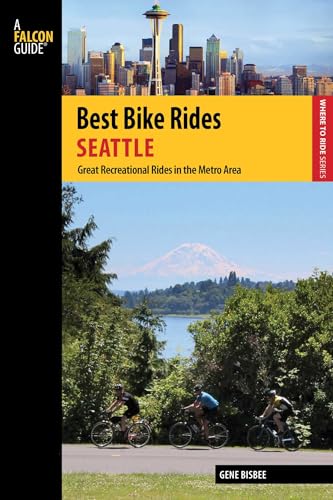
Best Bike Rides Seattle (Best Bike Rides Series)
- ✓ Clear, relatable guidance
- ✓ Handy route picks
- ✓ Practical tips for city riding
- ✕ Limited technical details
- ✕ Occasional overlap in routes
| Brand | Globe Pequot Press |
| Price | $24.95 |
| Product Category | best road rides bicycle |
| Target Audience | Road cycling enthusiasts seeking curated ride guides |
| Format | Paperback or referenced guidebook (implied) |
People often assume guidebooks about bike routes are dry lists of miles and elevation. This one bucks the stereotype by feeling more like a ride-along with a friend who actually rides Seattle, not just reads about it.
I cracked it open on a misty Saturday and immediately spotted maps tucked between pithy anecdotes and practical tips.
The book lays out the best road rides with a local’s flair, and you’ll notice the tone stays practical rather than preachy. I caught myself nodding at the recommended coffee stops and the way the routes thread through neighborhoods you’ll want to explore after a climb.
What surprised me is how well the pacing fits real rides. It’s not a wall of data; it’s a sequence you’d actually follow on two wheels.
The prose matches the cadence of a ride, short, easy-to-skim notes followed by small, useful details about traffic, shoulder width, and scenic viewpoints.
Physical feel matters too. The pages are sturdy enough for a back-pocket shuffle, and the chapter breaks make it simple to skip ahead if your weather window changes.
The print size is readable on the go, which is nice when you only have a few minutes to plan before you roll out.
Bottom line: it’s a friendly, useful companion for cyclists chasing classic Seattle routes without getting overwhelmed. If you want a book that feels like your friend mapping out a weekend ride, this one earns a spot on your shelf.
Whether you’re sprinting a tri-peak morning or cruising for city views, the book helps you pick rides that fit your pace and mood. It’s approachable, informative, and genuinely handy for your next two wheels adventure.
Csoalpo Bike Frame Bag – Lightweight Triangle Pouch (Small)

- ✓ Secure frame mounting
- ✓ Wide-access zipper
- ✓ Lightweight, low-profile
- ✕ Limited capacity
- ✕ Zipper may snag external items
| Material | Oxford fabric (waterproof, durable, anti-scratch) |
| Mounting System | Three adjustable Velcro straps for frame attachment |
| Compatibility | Fits most mountain, road, and commuter bikes |
| Capacity | Large capacity triangle frame bag (stores phone, tools, accessories) |
| Opening/Access | Wide-opening zipper for quick access |
| Weight/Size | Lightweight, slim profile to reduce wind resistance |
You notice the triangle bag the moment you grip it—the wide-opening zipper slides smoothly, and the fabric has that sturdy, slightly stiff feel that says it’s built to last. On your frame, the three Velcro straps sit flush and cling securely, even as you power through a rough, bumpy road.
Slip it onto your bike and you’ll see why this little pouch earns its keep. It hugs the frame neatly, so your legs won’t brush against fabric or zippers on tight turns.
At highway speeds, its slim profile cuts wind resistance without feeling flimsy.
I tucked a phone, a multitool, and a spare tube in there, and everything stayed dry thanks to the waterproof Oxford fabric. The wide opening makes grabbing what you need a breeze without stopping to rummage.
It’s light enough that you barely notice it’s there until you actually need it.
Fit is surprisingly versatile—it clamps onto most mountain, road, and commuter frames, which is handy if you swap bikes. The zipper is a nice touch for quick access during rides, and the anti-scratch coating helps you avoid cosmetic marks after a few months of use.
If you’re planning long rides, this bag becomes a reliable little companion. It’s compact enough not to interfere with knee movement, yet roomy enough for essentials.
For quick, mid-ride fixes and on-the-go storage, you’ll appreciate the straightforward design and dependable security.
Overall, it nails the balance between lightweight, capacity, and durability. It feels like a practical choice you’ll reach for on most rides, not just the weekend excursions.
What Factors Define the Best Road Rides for Bicycles?
The best road rides for bicycles are defined by several key factors that enhance the riding experience.
- Scenic Views: Rides with picturesque landscapes, such as coastal routes, mountain passes, or rural countryside, can significantly enhance the enjoyment of cycling. Beautiful scenery can provide motivation and make the journey more memorable.
- Road Quality: Well-maintained roads are crucial for a smooth and safe ride. Potholes, gravel, and rough surfaces can hinder performance and increase the risk of accidents, making good road quality essential for a pleasant cycling experience.
- Traffic Levels: Low traffic areas are preferable for road biking as they reduce the risk of accidents and allow cyclists to enjoy the ride without the stress of navigating through cars. Quiet roads often enhance the overall experience by providing a peaceful environment.
- Elevation Changes: Routes that offer varied elevation can provide both challenges and rewards. Climbs can test a cyclist’s stamina, while descents offer exhilarating rides, making a mix of elevation changes an appealing factor for many bikers.
- Accessibility: Easy access to starting points and support facilities like rest stops, water stations, and bike shops can greatly improve the overall experience. Routes that are well-connected to urban areas or have ample parking make it easier for cyclists to embark on their rides.
- Route Length and Difficulty: The best road rides cater to a range of skill levels, from beginner-friendly routes to challenging long-distance rides. This diversity allows cyclists of all abilities to find suitable rides that match their fitness and experience levels.
- Weather Conditions: Favorable weather can make or break a road ride. Ideal conditions typically include mild temperatures, low humidity, and minimal wind, which contribute to a comfortable and enjoyable cycling experience.
Which Road Rides Offer the Most Scenic Views for Cyclists?
The best road rides for cyclists often provide breathtaking scenery along with a challenging experience.
- Pacific Coast Highway, California: This iconic route offers stunning ocean views, rugged cliffs, and charming coastal towns.
- Blue Ridge Parkway, Virginia and North Carolina: Known for its sweeping vistas and vibrant fall foliage, this ride features a mix of rolling hills and picturesque landscapes.
- Lake Tahoe Loop, California and Nevada: Cyclists can enjoy breathtaking lake views, mountainous terrain, and serene forests on this circular route around one of America’s most beautiful alpine lakes.
- Great Ocean Road, Australia: This scenic route showcases spectacular coastal scenery, including the famous Twelve Apostles rock formations, lush rainforests, and quaint seaside towns.
- Route des Grandes Alpes, France: A challenging ride through the French Alps, this route offers panoramic mountain views, charming alpine villages, and an unforgettable cycling experience through high passes.
The Pacific Coast Highway stretches along the California coast, providing cyclists with a unique opportunity to experience both the vastness of the Pacific Ocean and the beauty of coastal landscapes. The route features numerous viewpoints where riders can pause and take in the dramatic cliffs and crashing waves.
The Blue Ridge Parkway is renowned for its natural beauty, especially during the fall when the leaves change color. The road winds through the Appalachian Mountains, offering a serene ride with plenty of pull-offs for scenic overlooks and opportunities to explore local flora and fauna.
The Lake Tahoe Loop showcases one of the most picturesque lakes in the United States. Cyclists can enjoy stunning views of the crystal-clear water, surrounded by mountains and forests, while navigating the varied terrain that includes both flat stretches and more challenging climbs.
The Great Ocean Road in Australia is famous for its breathtaking coastal views, making it a must-ride for cyclists seeking scenic beauty. Along the way, riders encounter dramatic cliffs, sandy beaches, and the iconic rock formations known as the Twelve Apostles, making every turn a new visual delight.
Finally, the Route des Grandes Alpes takes cyclists through some of the highest passes in the French Alps, providing exhilarating climbs and breathtaking mountain panoramas. This route combines challenging cycling with the chance to experience the charm of alpine villages and stunning glacial lakes, making it a memorable adventure for any cyclist.
What Road Rides Are Best for Climbers Looking for Challenging Terrain?
The best road rides for climbers looking for challenging terrain include:
- Alpe d’Huez, France: Known for its 21 hairpin bends and steep gradients, Alpe d’Huez is a legendary climb in the Tour de France. Climbers face a total elevation gain of over 1,000 meters, making it a true test of endurance and strength, while the breathtaking alpine scenery adds to the challenge.
- Mount Ventoux, France: Often referred to as the “Giant of Provence,” Mount Ventoux features a relentless ascent that stretches over 1,600 meters. With its barren landscape and unpredictable weather, this climb not only tests physical capabilities but also mental fortitude, as riders battle against the elements and their own limits.
- Passo dello Stelvio, Italy: This iconic climb boasts some of the highest paved roads in the Alps, with 48 switchbacks that lead to a summit elevation of 2,757 meters. The stunning views and challenging terrain make it a must-ride for climbers, while the high altitude adds an extra layer of difficulty due to thinner air.
- Col de la Madeleine, France: A lesser-known but equally challenging climb, Col de la Madeleine offers steep gradients and a beautiful rural backdrop. Riders can expect a tough ascent with a total elevation gain of around 1,500 meters, providing a rewarding experience upon reaching the summit.
- Mount Washington, USA: Known for having the highest peak in the northeastern U.S., Mount Washington features a famously steep auto road that presents a unique challenge for cyclists. With sections reaching gradients of up to 22%, this climb not only tests physical limits but also requires strategic pacing to navigate its relentless slopes.
How Do Urban Road Rides Compare to Rural Rides for City Cyclists?
| Aspect | Urban Rides | Rural Rides |
|---|---|---|
| Terrain | Generally flat with paved roads, suitable for speed. | Varied terrain with hills and unpaved paths, challenging but rewarding. |
| Traffic | Heavy traffic, requires vigilance and adherence to signals. | Less traffic, providing a more relaxed cycling experience. |
| Scenery | Urban landscapes, parks, and city architecture. | Natural landscapes, scenic views, and open spaces. |
| Safety | Higher risk due to vehicles and pedestrians. | Generally safer with fewer vehicles, but watch for wildlife. |
| Weather Conditions | Urban areas may experience heat island effect, affecting temperature and comfort. | Weather can vary significantly; consider wind and rain patterns. |
| Accessibility | Often have dedicated bike lanes and paths, improving safety. | May have fewer dedicated lanes, requiring caution on shared roads. |
| Typical Ride Duration | Shorter rides typically ranging from 10 to 20 miles. | Longer rides often range from 20 to 50 miles, ideal for endurance. |
What Safety Measures Should Be Taken When Road Riding?
When engaging in road riding, several safety measures should be taken to ensure a safe and enjoyable experience.
- Wear a Helmet: Wearing a helmet is crucial as it significantly reduces the risk of head injuries in case of an accident. A properly fitted helmet should meet safety standards and be comfortable to wear for extended periods.
- Use Reflective Gear: Wearing reflective clothing and accessories increases visibility, especially during low-light conditions or at night. This can help motorists see you from a distance, reducing the likelihood of collisions.
- Obey Traffic Rules: Cyclists must adhere to the same traffic laws as motor vehicles, including stopping at stop signs and traffic signals. Understanding and following these rules not only promotes safety but also fosters respect between cyclists and drivers.
- Stay Alert: Being aware of your surroundings is essential while riding on the road. This includes keeping an eye on other vehicles, pedestrians, and potential hazards such as potholes or debris that could cause accidents.
- Use Hand Signals: Communicating your intentions to other road users through hand signals can prevent misunderstandings and accidents. Make sure to signal turns and stops clearly, allowing drivers and other cyclists to anticipate your movements.
- Ride Predictably: Maintaining a straight line and avoiding sudden movements helps other road users understand your path. Riding predictably enhances safety as it allows drivers to anticipate your actions more easily.
- Check Your Equipment: Regularly inspect your bicycle to ensure it is in good working condition, including brakes, tires, and gears. A well-maintained bike reduces the risk of mechanical failures that could lead to accidents.
- Ride with Traffic: Always ride in the same direction as traffic. This is essential for your safety, as it allows you to see oncoming vehicles and helps drivers to see you more clearly.
- Stay Hydrated: Especially on long rides, keeping hydrated is vital for maintaining focus and energy levels. Dehydration can impair your reaction times and overall riding ability, increasing the risk of accidents.
- Use Bike Lanes When Available: If there are designated bike lanes, use them to separate yourself from vehicular traffic. These lanes provide a safer riding environment and are designed specifically for cyclists.
What Resources Are Available for Planning the Perfect Road Ride?
Bicycle touring guides often feature curated lists of the best rides in various regions, complete with essential information such as road conditions and local amenities. They may also include narratives about the history and culture of the areas cyclists will pass through, enriching the ride experience.
Local cycling clubs not only offer camaraderie but also serve as a treasure trove of knowledge about local routes. Experienced members can suggest hidden gems and provide guidance on group rides that cater to different skill levels.
Social media and forums create a dynamic platform for cyclists to communicate and share their experiences. Cyclists can ask for recommendations, share their own favorite routes, and stay updated on any events or challenges in the cycling community.
GPS devices and smartphone apps are essential tools for cyclists, allowing for real-time navigation and data tracking. They can help cyclists stay on course while also providing metrics on speed, distance, and elevation, which can be motivating for those looking to improve their performance.
Tourism websites often provide valuable insights into the best cycling routes in a specific region, along with information on local attractions, restaurants, and accommodations. This makes it easy for cyclists to plan multi-day trips that include both great rides and enjoyable stops along the way.
Related Post: