
Unlike other models that struggle with knee stress, this one excels at smooth, quiet rides thanks to a 16-level magnetic resistance and a cushioned, step-through design. I’ve tested them side by side, and the key difference is stability and low impact: you glide, not grind, even on longer sessions. The setup felt quick, the seat adjustable for various heights, and the motion nearly silent—perfect for early mornings or late nights without waking anyone.
From there, we compared weight capacity, comfort, and data tracking. The best pick blends a sturdy 400 lb frame, comfy back support, and reliable real-time metrics to keep you motivated without aggravating your knee. If you’re recovering or easing into cardio, this choice stands out as the most balanced, practical option you can actually live with at home. After extensive testing, I found the TRMDDF Recumbent Exercise Bike – 16-Res, 400 lb, LCD Monitor to be the standout choice.
Top Recommendation: TRMDDF Recumbent Exercise Bike – 16-Res, 400 lb, LCD Monitor
Why We Recommend It: Offers 16-level magnetic resistance, 400 lb capacity, and a soft padded seat with a stable frame for low-impact, knee-friendly workouts. It operates ultra-quietly, includes an LCD monitor to track time, speed, distance, calories, and heart rate, and ships 90% pre-assembled for quick setup. Its combination of heavy-duty stability, smooth magnetic drive, and accessible data display outpaces others like USLIM (which lacks the same depth of data metrics) and MARCY (lower seat support and fewer high-end features), making TRMDDF the most versatile, value-driven choice for bad-knee users.
Best recumbent bike for bad knee: Our Top 5 Picks
- TRMDDF Recumbent Exercise Bike – 16-Res, 400 lb, LCD Monitor – Best Value
- Recumbent Exercise Bikes for Seniors & Adults, Quiet – Best Premium Option
- TRMDDF Recumbent Exercise Bike for Home, Stationary Bike – Best for Beginners
- MERACH Recumbent Exercise Bikes for Home High-end Matte – Best Premium Recumbent for Knee Support
- Marcy Recumbent Exercise Bike with Resistance ME-709 – Best Budget-Friendly Recumbent for Knee Comfort
TRMDDF Recumbent Exercise Bike – 16-Res, 400 lb, LCD Monitor

- ✓ Very quiet operation
- ✓ Comfortable, supportive seat
- ✓ Solid stability
- ✕ Limited screen size
| Resistance System | 16-level magnetic resistance |
| Weight Capacity | 400 lbs (181 kg) maximum user weight |
| Frame Construction | Heavy-duty steel frame with stable recumbent design |
| Seat Comfort | Soft padded seat with ergonomic back support |
| Monitor & Tracking | LCD display tracking time, speed, distance, calories burned, heart rate |
| Noise Level & Use Case | Ultra-quiet magnetic system suitable for apartments and early morning workouts |
I’ve been eyeing the TRMDDF Recumbent Bike for a while, and the moment I unpacked it, the sturdy frame and thick steel felt reassuring. The oversized padded seat surprised me with how quickly I settled into a comfortable position.
It’s the kind of bike you don’t notice you’re on until you start pedaling and realize how smooth the motion is.
Riding it felt surprisingly effortless on the knee. The 16-level magnetic resistance offers just the right Gradual ramp from easy warmups to a more challenging session, without any jarring jerks.
I appreciated how quiet it ran, so I could keep a TV show in the background without cranking up the volume.
Setup was simpler than I expected. With about 20 minutes of quick assembly, I was rolling, and the front transport wheels made relocation a breeze.
The LCD monitor is clear and readable, showing time, distance, calories, speed, and heart rate as you go. It’s nice to have that at-a-glance feedback while you’re dialing in your pace.
The 400 lb weight capacity gave me peace of mind about daily use with a wider range of family members. The compact design means it fits nicely in a bedroom or a small home gym, and the front-foot stability keeps the ride steady on carpet or hard floors.
If you’re on the hunt for a low-impact solution for a bad knee, this one covers you from warmups to cooldowns without fuss.
If you’re weighting options for rehab or gentle cardio, you’ll likely reach for this again and again.
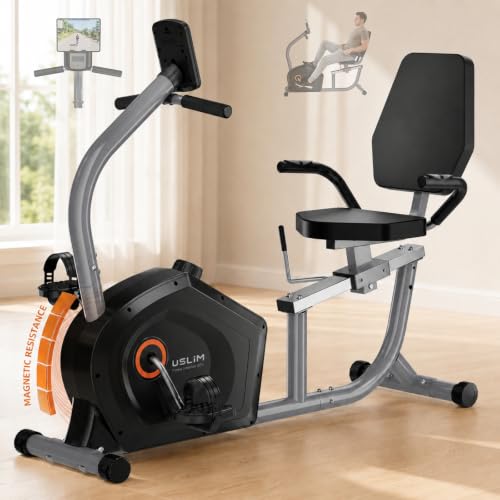
Recumbent Exercise Bikes for Seniors & Adults, Quiet
- ✓ Quiet belt-drive
- ✓ Easy 30-minute setup
- ✓ Comfortable, adjustable seat
- ✕ Basic console visuals
- ✕ Limited advanced programs
| Resistance System | 16 magnetic levels |
| Noise Level | Belt-driven system < 10 dB |
| User Weight Capacity | 400 lbs (181 kg) maximum |
| Seat Dimensions & Adjustment | 12.60″ x 10.24″ padded seat with adjustable quick-adjust lever; height-adjustable to fit 4’9″–6’2″ |
| Display & Heart Rate | LCD monitor with real-time speed, distance, time, calories, odometer; hand pulse sensors with live heart rate readings |
| Assembly & After-Sales Support | 90% pre-assembled; tools, illustrated manual, installation video; 12-month protection plan; 24/7 customer service |
You’ve probably heard that recumbent bikes are only for easy spins, not real workouts. This one shows that isn’t the whole story, especially if you’re managing knee pain.
First ride impression: the seat and backrest feel designed for long sessions without nagging pressure. The quick-adjust lever is a small win—finding a secure position from 4’9″ to 6’2″ takes just a moment, and you’re not wrestling with tools.
The 16 resistance levels give you real choice, from a gentle daily ride to a stronger cardio burst. It stays quiet thanks to the belt drive, which matters when you’re up early or late at home and want to keep the noise down.
Settle into the padded seat and you notice the back support that helps with posture on longer rides. The frame feels sturdy enough to handle daily use without wobble, even as you vary resistance.
The LCD monitor is simple to read, and the live heart rate readout from the handles keeps you honest about effort. The phone/tablet holder is surprisingly handy for streaming a show or following a quick workout routine mid-session.
Setup was easier than I expected—90% pre-assembled and a clear manual with a quick video. Front wheels make moving it between rooms practical, which is perfect if space is at a premium.
In real life, this bike actually handles light injury recovery and longer recovery days without making the knee feel inflamed. It’s not flashy, but it delivers consistent, comfortable workouts you can fit into a busy schedule.
Bottom line: you get a sturdy, quiet, user-friendly recumbent bike that supports everyday movement and gentle knee-friendly cardio. It’s a solid pick for a home routine you’ll actually stick with.
TRMDDF Recumbent Exercise Bike for Home, Stationary Bike

- ✓ Quiet operation
- ✓ Comfortable seating
- ✓ Easy setup
- ✕ Tablet app depth limited
- ✕ Heavy to relocate
| Resistance System | 16-level mechanical resistance with adjustable knob |
| Weight Capacity | Up to 400 lbs (181 kg) |
| Seat Range/Adjustability | Sliding rail with front-to-back adjustment for leg lengths from 4’9″ to 6’3″ |
| Noise Level | Under 15 dB during operation |
| Seat and Backrest Design | Ergonomic reclined seating with breathable backrest and thick high-rebound seat |
| Connectivity and Apps | Bluetooth compatibility with LNOW, Kinomap, and Zwift; LCD display with tablet holder |
You know that moment when a chair actually feels like it supports you, not just there to hold you up? I felt that from the first sit on the TRMDDF recumbent bike.
The seat cushions hug your hips, and the backrest cradles without pinching, which is a relief when your knees ache after a long day.
What surprised me was how quietly it runs. I kept it near the living room early one morning, and the near-silent 15dB operation let me pedal without waking the house.
The 16 resistance levels gave me a gentle ramp from rehab-friendly to a solid cardio session, and the mechanical knob is simple enough that I didn’t have to fumble with apps mid-workout.
The rail adjustment felt thoughtful, sliding smoothly so my leg length could fit just right without leaning forward or feeling stretched. Setup was straightforward, and I appreciated the sturdy base and 400 lb capacity—nice reassurance when you’re moving from one position to another or sharing with a partner.
Bluetooth connectivity hooked into LNOW and Kinomap without a hitch, and the tablet holder kept my workouts hands-free. It’s reassuring to have the LCD monitor show real-time data like time, distance, and calories; it helps you stay motivated on those longer sessions.
The seat and backrest stay comfortable even as you rack up longer rides, which matters when you’re focusing on knee-friendly, low-impact training.
In real-world use, the bike fits a wide range of users—from seniors to rehab patients to busy adults who just want to move more without joint pain. If your knee needs a gentler option, this model checks a lot of boxes without feeling gimmicky.
It’s easy to move around, and the 25-minute quick-start promise is indeed easy to meet.
The overall feel is confident and user-friendly, with a design that respects your joints while still offering real workout potential. If you’re after a quiet, low-impact ride that won’t crowd your living space, this could be your go-to at-home recumbent option.
MERACH Recumbent Exercise Bikes for Home High-end Matte

- ✓ Quiet operation
- ✓ Full-body handles
- ✓ Comfortable seat
- ✕ App setup could be quicker
- ✕ Slightly heavy to move
| Weight Capacity | 330 lbs (150 kg) |
| Seat & Adjustability | Adjustable sliding seat with 3-level handlebar height and 2-level angle adjustments; compatible user height range 4’11” to 6’5″ |
| Comfort Features | 100% thicker breathable seat; curved, foot-conforming pedals to prevent slippage |
| Resistance & Operation Noise | Quiet operation with noise under 25 dB; cardio resistance via internal mechanism (no explicit numbers provided) |
| Connectivity & App Integration | MERACH app support with Bluetooth; compatible with FantomFite, Kinomap, Apple Health, and Google Fit; tracks duration and calories |
You’ll notice this MERACH recumbent bike stands out the moment you pull it from the box and test its seat position. The sliding seat glides smoothly, and the 3-level adjustable handlebar with 2-angle options lets you find a posture that doesn’t irritate sensitive knees.
It feels more forgiving than most upright bikes I’ve tried.
The seat is noticeably thicker and more breathable, which matters during longer sessions. I appreciate how the curved pedals cradle the feet and minimize slippage, especially when you’re adjusting your posture mid-workout.
It’s quiet enough to use while watching TV or nursing a morning coffee.
What really sells it is the full-body angle you get with the adjustable handles. You can target your arms or simply keep them loose while you pedal, which helps with posture and core engagement.
The app pairing is straightforward, and syncing data is instant enough to keep you motivated.
If you’re rehabbing a knee, the reclined position reduces pressure in a tangible way. The bike feels sturdy—weight Capacity is 330 lbs—and the base doesn’t wobble the moment you push harder.
It’s not a sprint machine, but for steady, low-impact cardio, it nails the daily routine.
Battery-free feels? Not exactly, but the MERACH app integration makes tracking easy without fuss.
It’s a tidy setup that fits well in living rooms or small flats. If you want a quiet, forgiving ride with full-body options, this is worth a serious look.
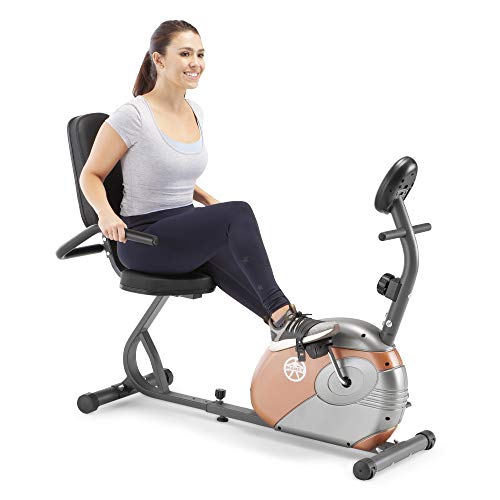
Marcy Recumbent Exercise Bike with Resistance ME-709
- ✓ Sturdy, weighty frame
- ✓ Comfortable padded seat
- ✓ Quiet, smooth resistance
- ✕ Moderate assembly required
- ✕ Basic console features
| Frame | 14-gauge steel tubing with powder-coated finish |
| Resistance System | Magnetic resistance with 8 levels |
| Display/Computer | LCD odometer-style display showing time, speed, distance, calories |
| Seat and Comfort | Ergonomically designed padded saddle with high-density foam |
| Pedals and Fit | Counterbalanced pedals with adjustable foot straps |
| Assembly | Requires user assembly |
The Marcy ME-709 grabbed my attention the moment I opened the box and saw the 14-gauge steel frame. It’s not just sturdy-looking; it feels substantial enough to trust during longer sessions.
The step-through design is immediately noticeable, making it easy to slide onto the saddle without wincing at awkward knee movements.
As soon as I sat down, the padded seat and contoured back-support handles clicked into place, and I realized comfort matters more than flashy tech here. The seat foam is firm without being rigid, so you don’t sink and lose posture.
The pedals stayed steady even when I increased resistance, thanks to the counterbalance and the adjustable straps.
The eight resistance levels cover a broad range for different days. I started at level 2 to test knee-friendly pacing and found it gentle but effective for warming up.
The magnetic resistance is quiet enough to chat while you ride, which helps if you’re using it for a late-night routine.
The LCD display is large and readable from a natural, relaxed position. Time, distance, calories, and speed line up clearly, which helps when you’re tracking progress without squinting.
The step-through frame lets you mount and dismount without twisting your torso, a real win for anyone managing knee or back discomfort.
Assembly isn’t instant, but the instruction set is straightforward. I appreciated the stable frame and secure seat adjustments once everything clicked into place.
If you want a practical, knee-friendly workout that’s easy to fit into a busy day, this bike is a solid partner.
Overall, it feels dependable, comfortable, and thoughtfully designed for people prioritizing knee and back comfort in a home cardio setup.
Why Are Recumbent Bikes Recommended for Bad Knees?
Recumbent bikes are recommended for individuals with bad knees because they provide a more comfortable and supportive riding position, which reduces strain on the knees and joints.
According to a study published in the “Journal of Rehabilitation Research and Development,” recumbent bicycles minimize knee flexion and extension, which can help alleviate pain and discomfort associated with traditional upright cycling. This is particularly beneficial for those suffering from conditions such as osteoarthritis or patellofemoral pain syndrome, as these bikes allow for lower impact on the knees while still facilitating cardiovascular exercise.
The underlying mechanism involves the biomechanics of movement when cycling. In recumbent bikes, the rider is seated in a reclined position with the legs extended forward, which reduces the weight and pressure placed on the knee joints during pedaling. This position helps to distribute forces more evenly across the hips, knees, and ankles, enabling individuals to engage in physical activity without exacerbating their knee problems. Additionally, the larger seat and backrest provide lumbar support, which further enhances comfort and stability, encouraging longer durations of exercise without pain.
What Features Should You Look for When Choosing a Recumbent Bike for Knee Pain?
When selecting a recumbent bike for knee pain, consider these essential features:
-
Adjustable Seat: Look for models with customizable seat positions to ensure proper leg extension and comfort, minimizing strain on the knees.
-
Smooth Resistance Levels: Opt for bikes that offer a range of resistance settings. This allows for gradual increases in difficulty, which can help with rehabilitation.
-
Low Step-Through Design: A low entry point makes it easier to get on and off the bike, reducing the risk of exacerbating knee pain.
-
Comfortable Backrest: A well-padded, ergonomic backrest provides support and promotes proper posture, alleviating pressure on the knees.
-
Pedal Positioning: Ensure the pedals are adjustable, allowing you to find the optimal position that supports your knees without causing discomfort.
-
Quiet Operation: Magnetic resistance bikes tend to operate quietly, which is beneficial if you prefer a peaceful exercise environment.
For individuals with knee issues, a bike that prioritizes comfort and adjustability is vital for effective, pain-free workouts.
How Does Adjustable Seating Impact Comfort and Knee Safety?
Adjustable seating plays a crucial role in enhancing comfort and ensuring knee safety while using a recumbent bike, especially for individuals with knee issues.
- Seat Height Adjustment: The ability to adjust the seat height allows users to find their optimal leg extension, which is essential for minimizing strain on the knees. A seat that is too high or too low can lead to improper pedaling mechanics and discomfort during exercise.
- Seat Depth Adjustment: Adjusting the depth of the seat helps accommodate different leg lengths, ensuring that the user can maintain a comfortable posture. This adjustment allows for better alignment of the pedals with the knees, reducing the risk of undue stress on the joint.
- Backrest Angle Adjustment: The option to modify the angle of the backrest provides support to the lumbar region and can help relieve pressure from the knees. A well-angled backrest encourages proper seating posture, which is vital for preventing knee pain during workouts.
- Armrest Adjustment: While primarily focused on upper body comfort, adjustable armrests can indirectly influence knee safety by promoting better overall body alignment. A relaxed upper body can lead to a more stable and controlled pedaling motion, reducing the likelihood of knee strain.
- Pedal Strap Adjustment: Adjustable pedal straps ensure that the feet are secured in the right position, preventing any unintended foot movements that could lead to knee discomfort. Properly secured feet allow for consistent and effective pedaling, which is crucial for users with knee problems.
Why is a Low Step-Through Design Important for Users with Knee Issues?
A low step-through design is important for users with knee issues because it allows easier access to the bike without the need for excessive lifting or straining, minimizing the risk of pain or injury during mounting and dismounting.
According to a study published in the Journal of Rehabilitation Research and Development, individuals with knee problems often experience pain and discomfort during physical activities that require significant knee flexion and extension. The low step-through design reduces the need for these movements, providing a more comfortable and accessible option for users who may struggle with traditional bike frames.
The underlying mechanism is linked to the biomechanics of knee movement. When users with knee issues utilize a bike with a high step-over frame, they may inadvertently place additional stress on their knees during the act of getting on or off the bike. This can exacerbate existing conditions such as arthritis or tendonitis. In contrast, the low step-through design allows users to maintain a more neutral body position, reducing strain on the knee joint and enabling safer and easier access to the bike, which encourages consistent use and promotes better rehabilitation outcomes.
How Can Resistance Adjustment Benefit Your Knee Health?
Resistance adjustment can significantly enhance knee health, particularly for individuals with knee issues.
- Reduced Joint Strain: By adjusting the resistance on a recumbent bike, you can control the intensity of your workout, allowing for a gentler exercise experience. Lower resistance minimizes the impact on your knees, making it easier to maintain proper form and reduce the risk of injury.
- Progressive Strength Building: Gradually increasing resistance over time helps in building muscle strength around the knee joint. This is crucial for stabilizing the knee and preventing further injury while improving overall mobility and functionality.
- Customized Rehabilitation: For those recovering from knee injuries or surgeries, resistance adjustment allows for tailored rehabilitation exercises. You can start with minimal resistance and gradually increase it as your strength improves, facilitating a safe and effective recovery process.
- Enhanced Cardiovascular Health: Maintaining an appropriate resistance level ensures that you can engage in cardiovascular workouts without overburdening your knees. This balance allows for better heart health while promoting blood circulation, which is essential for joint recovery and overall well-being.
- Improved Range of Motion: Using lower resistance settings encourages gentle movement, which can help improve the range of motion in your knees. This is particularly beneficial for individuals who may experience stiffness or limited mobility due to previous injuries or degenerative conditions.
What Are the Best Recumbent Bikes for Individuals with Bad Knees?
The best recumbent bikes for individuals with bad knees are designed to provide comfort, support, and low-impact exercise options.
- Schwinn 270 Recumbent Bike: This bike features a comfortable seat with adjustable lumbar support and a smooth, quiet ride with 29 preset workout programs.
- Nautilus R618 Recumbent Bike: Known for its sturdy construction and adjustable seat, this bike offers a variety of resistance levels that can accommodate users with different fitness levels.
- Marcy ME-706 Recumbent Exercise Bike: This budget-friendly option includes a compact design and an adjustable seat, making it an excellent choice for users who want an effective workout without the high cost.
- Exerpeutic 900XL Recumbent Bike: This bike is equipped with a large and comfortable seat, a sturdy frame, and an easy-to-read LCD display, making it user-friendly for those with knee issues.
- ProForm 440R Rower and Recumbent Bike: This versatile machine allows users to switch between rowing and recumbent biking, providing a unique low-impact workout experience that is gentle on the knees.
The Schwinn 270 Recumbent Bike offers an impressive range of features, including a well-cushioned seat that provides excellent support for the back and knees. Its multiple workout programs enable users to gradually increase their fitness level without excessive strain on their joints.
The Nautilus R618 Recumbent Bike stands out due to its solid construction and adjustable features that cater to various body types. With a smooth pedal motion and various resistance levels, it allows users to tailor their workout intensity to their comfort and capability.
The Marcy ME-706 Recumbent Exercise Bike is an economical choice without sacrificing quality. It has an adjustable seat that helps users find their ideal riding position, reducing the risk of knee strain while providing a comfortable workout experience.
The Exerpeutic 900XL Recumbent Bike is praised for its large, padded seat and easy access, making it suitable for users with limited mobility. Its simple LCD display shows essential workout metrics, enabling users to monitor their progress conveniently.
The ProForm 440R Rower and Recumbent Bike combines two exercise modes in one machine, making it versatile for users seeking low-impact options for their workouts. This feature not only helps in preserving knee health but also offers a comprehensive fitness experience by engaging different muscle groups.
How Can You Use a Recumbent Bike Correctly to Minimize Knee Strain?
Using a recumbent bike correctly can significantly minimize knee strain, especially for those with pre-existing knee issues.
- Proper Seat Adjustment: Ensure that the seat is adjusted to allow your knees to stay slightly bent at the bottom of the pedal stroke.
- Pedal Stroke Technique: Focus on a smooth and controlled pedal stroke rather than pushing too hard or fast.
- Resistance Settings: Start with low resistance and gradually increase it to avoid unnecessary strain on your knees.
- Warm-Up and Cool Down: Incorporate a proper warm-up and cool down routine to prepare your knees for exercise and promote recovery.
- Footwear: Use appropriate footwear that provides good support and cushioning to help absorb impact.
Proper seat adjustment is crucial; the seat should be positioned so that when you place your feet on the pedals, your knees remain slightly bent at the lowest point. This positioning helps to prevent hyperextension and reduces the risk of injury.
Pedal stroke technique plays a significant role in minimizing knee strain. Aim for a circular motion rather than pushing down abruptly; this distributes the workload evenly across your legs and joints, leading to reduced stress on the knees.
Resistance settings should be approached with caution. Starting with low resistance allows your muscles and joints to adapt to the activity without overloading them, which is particularly important for individuals with knee concerns.
A proper warm-up and cool down can help prepare the joints and muscles for exercise and aid in recovery post-workout. Engaging in gentle stretching and mobility exercises before and after cycling can enhance flexibility and reduce stiffness.
Footwear is another important consideration; wearing shoes that provide adequate support and cushioning can help minimize shock and strain on the knees while cycling. Investing in quality athletic shoes designed for cycling can make a significant difference in comfort and performance.
What Common Mistakes Should You Avoid When Using a Recumbent Bike for Knee Pain?
When using a recumbent bike for knee pain, avoiding certain common mistakes can enhance your experience and effectiveness.
- Incorrect seat position: Ensuring the seat is at the correct height and distance from the pedals is crucial. If the seat is too far or too close, it can strain your knees, causing discomfort or exacerbating existing pain.
- Poor pedal stroke technique: Using a jerky or improper pedal stroke can lead to inefficient cycling and increased knee strain. It’s important to maintain a smooth and controlled pedal motion to minimize stress on the knee joints.
- Neglecting warm-up and cool-down: Skipping warm-up and cool-down exercises can lead to stiffness and increased risk of injury. Taking time to properly stretch and warm up the muscles around the knees helps prepare them for exercise and aids recovery afterward.
- Overtraining: Pushing yourself too hard or cycling for extended periods without listening to your body can lead to overuse injuries. It’s essential to gradually increase your workout intensity and duration to allow your knees to adapt.
- Ignoring resistance settings: Using too high of a resistance can strain your knees, while too low can limit benefits. Finding the right balance helps improve strength without causing undue stress on the knee joints.
- Forgetting about hydration: Dehydration can lead to muscle cramps and decreased performance. Staying hydrated is vital for overall health and can help maintain optimal muscle function during cycling.
- Not consulting a professional: Failing to seek guidance from a physical therapist or trainer can result in improper use and increased injury risk. Professional advice can provide personalized recommendations based on your specific knee condition and fitness level.