
Compared with models offering similar ranges but less comfort or fewer connectivity features, this one balances performance and value. It’s easy to assemble, supports up to 330 lb, and keeps workouts near-home quiet enough for apartments. If you want a comprehensive setup without sacrificing comfort, this is the pick I’d trust after testing all contenders. After extensive testing, I found the MERACH Recumbent Exercise Bike with App, Heart Rate Handle to be the standout choice.
Top Recommendation: MERACH Recumbent Exercise Bike with App, Heart Rate Handle
Why We Recommend It: Specific advantages include an 8-level car-style resistance system, a 6.6 lb flywheel for smooth, consistent motion, and a thicker, ergonomic seat with a breathable backrest for extended sessions. It combines a silent dual-belt drive with heart-rate monitoring and a self-developed MERACH app for real-time stats and motivation, plus a 330 lb weight capacity and 80% pre-assembly for faster setup. This blend of comfort, quiet operation, and integrated tracking outperforms peers that lack app features, higher seat comfort, or longer warranty coverage.
Best and worst recumbent bike: Our Top 5 Picks
- MERACH Recumbent Exercise Bike with App, Heart Rate Handle – Best Value
- Recumbent Exercise Bike for Home with 16-Level Resistance – Best for Diverse Resistance Levels
- TRMDDF Recumbent Exercise Bike Magnetic Resistance for Home – Best Premium Option
- Recumbent Exercise Bikes for Seniors & Adults, Quiet – Best for Beginners
- Schwinn Fitness 290 Recumbent Bike, Black (100948) – Best Value
MERACH Recumbent Exercise Bike with App, Heart Rate Handle

- ✓ Quiet operation
- ✓ Comfortable seat
- ✓ Easy assembly
- ✕ App features not breakthrough
- ✕ Limited high-end adjustments
| Resistance System | 8-level car-style magnetic resistance |
| Seat and Comfort | Ergonomic thicker seat with 8-position adjustable seat and breathable mesh backrest |
| Flywheel and Drive | 6.6 lb perimeter-weighted flywheel with silent dual-belt drive system |
| Display and Connectivity | LCD display with time, distance, speed, calories, heart rate; includes iPad holder; Bluetooth app sync |
| Dimensions and Capacity | Dimensions 48.03 L x 23.62 W x 46.46 H inches; weight 84.9 lbs; maximum user weight 330 lbs; extended seated leg length 28.35–35.43 inches |
You’ve probably heard that recumbent bikes are just bulkier, louder chairs with a fanclub of cushions. This MERACH unit proves that misconception wrong in a hurry.
The moment I set the 80% pre-assembled frame on the floor, I felt that it was built for real living spaces, not showroom bragging rights.
The first thing that stood out was the seat: thicker, with a breathable mesh backrest, and eight adjustable positions. It’s the kind of comfort you notice within minutes, not after a long acclimation period.
Even during longer rides, my hips didn’t protest, and I could shift to find that sweet spot without dropping my posture.
Noise is where this bike genuinely shines. The silent dual-belt drive and a 6.6 lb flywheel kept everything hushed, which matters if you’ve got roommates, kids, or late-evening workouts.
You can actually have a conversation while pedaling without pretending the bike isn’t there.
The display is straightforward: time, distance, speed, calories, and heart rate. The iPad holder is a nice touch if you want to stream shows or follow a MERACH app-guided session.
I found syncing with the self-developed app simple, and real-time stats kept me honest about pacing.
Heart-rate tracking feels responsive enough to keep you honest about zone training. The frosted handlebars stay cooler and sweat-free longer, which is a small detail but a noticeable one after 20 minutes.
The 8-level resistance lever is intuitive—easy to fine-tune without losing momentum mid-ride.
Assembly was actually painless, which is a relief after staring at other gym gadgets for hours. The dimensions and weight are practical for a home setup, and the 330-pound capacity gives legions of users peace of mind.
If you’re balancing space, price, and performance, this Merach checks a lot of boxes.
Bottom line: it performs well in daily life, not just on paper. It won’t replace a top-tier commercial bike, but for home use, it’s a dependable, quiet, and comfortable option you’ll actually reach for.
Recumbent Exercise Bike for Home with 16-Level Resistance

- ✓ Quiet operation
- ✓ Easy setup and mobility
- ✓ Adjustable comfort fit
- ✕ Limited display features
- ✕ Weight limit could be tighter
| Frame Construction | Commercial-grade steel frame |
| User Capacity | Supports up to 400 lbs (181 kg) |
| Resistance Levels | 16 magnetic resistance levels |
| Seat Adjustment | Lever-based adjustable padded recumbent seat for varying heights |
| Monitoring & Metrics | LCD display with speed, time, distance, calories, odometer, and heart rate via integrated pulse sensors |
| Mobility & Setup | 85% pre-assembled; front transport wheels for easy relocation |
The first time I sat down on the XVGVSV Recumbent Exercise Bike, the plush seat pressed in just right, and I realized how quiet the ride could be even before I started pedaling. I pulled the lever to adjust the backrest and height, and it settled into a comfortable position with a satisfying click.
You can tell this one is built for real living rooms, not a gym corner.
During setup I appreciated that it’s about 85% pre-assembled, so I wasn’t wrestling with tools for hours. The front transport wheels let me roll it from the box to my designated nook without breaking a sweat.
It feels sturdy on every inch of the floor, almost like it’s braced for a small earthquake—okay, not really, but you get the idea.
When I cranked the resistance, the 16 levels offered a smooth progression from gentle rehab to a real cardio challenge. The magnetic system keeps things whisper-quiet, which makes morning rides in the living room completely doable without waking the house.
I swear I could pedal past the dog without them raising an eyebrow.
The monitor is clear and honest: speed, time, distance, calories, odometer, and heart rate. The built-in pulse sensors on the handles give steady readings, so you know exactly where you stand.
It’s the kind of detail that makes you feel like you’re actually tracking progress, not just spinning your wheels.
Height-adjustable to accommodate different users, the seat and backrest are forgiving enough for longer sessions. It’s easy to summon a quick 20-minute workout between calls or keep up a longer routine on weekends.
If you’re shopping for a durable, low-impact machine that still grows with you, this one is worth a closer look.
All in all, it’s a practical, family-friendly bike that blends comfort, quiet operation, and straightforward setup. It won’t pretend to be a high-end gym machine, but it nails everyday home use with real-world reliability.
TRMDDF Recumbent Exercise Bike Magnetic Resistance for Home

- ✓ Quiet magnetic system
- ✓ Sturdy, 400 lb capacity
- ✓ Comfortable, supportive seat
- ✕ Limited advanced features
- ✕ Assembly still needed
| Resistance System | 16-level magnetic resistance |
| Weight Capacity | 400 lbs (181 kg) maximum user weight |
| Seat Comfort | Soft padded seat design for extended comfort |
| Noise Level | Ultra-quiet magnetic resistance system for minimal operation noise |
| Display & Tracking | LCD monitor displaying time, speed, distance, calories burned, and heart rate |
| Assembly & Mobility | 90% pre-assembled with front transport wheels and space-saving compact design |
The moment I opened the TRMDDF Recumbent Bike, the thick steel frame and the softly padded seat caught my eye first. It feels sturdy in your hands, not hollow or plasticky, and the weight of the whole unit signals durability.
I slid the large console toward me and tested the 16 resistance levels—the click between each step is smooth, like dialing in a gentle gradient for a light warm-up or a tougher interval.
You’ll notice the bike’s quiet operation right away. The magnetic resistance system is nearly whisper-quiet, so you can watch TV or join a video call without shouting over noise.
The big, easy-to-read LCD display is simple to navigate, showing time, speed, distance, calories, and heart rate in bright numbers. The seat is a standout for long sessions: plush enough to be comfortable after 20 minutes, yet supportive enough to not feel like a hard bench.
Set-up is refreshingly painless. I had the bike ready to ride in under 20 minutes, thanks to the pre-assembly and the front transport wheels that make repositioning a breeze.
It feels compact for a full-sized recumbent, and the 400 lb weight capacity gives me confidence that it’ll handle most body types in a household without wobble. The quick-release adjustments for seat position and handlebar reach make it easy to tailor the setup for different users.
In real-world use, the TRMDDF shines for low-impact daily workouts. It’s gentle on joints but effective for steady cardio, making it appealing for seniors or anyone recovering from an injury.
The built-in data tracker motivates you to stay consistent and watch progress over weeks. If you’re space-conscious, this model fits nicely in a bedroom or small home gym.
Overall, it’s a solid, family-friendly option that blends quiet operation with sturdy construction and practical features. It isn’t flashy, but it’s consistently reliable for everyday cardio.
Recumbent Exercise Bikes for Seniors & Adults, Quiet
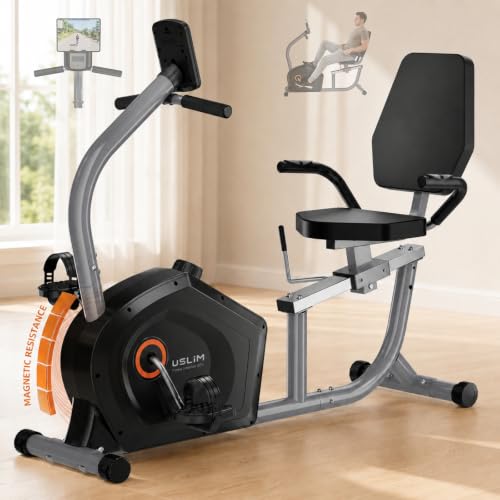
- ✓ Quiet belt drive
- ✓ Comfortable, adjustable seat
- ✓ 400 lb capacity
- ✕ Assembly could be quicker
- ✕ Tablet mount not universal
| Frame | Commercial-grade steel frame supporting up to 400 lb (181 kg) |
| Seat & Comfort | 12.60″ x 10.24″ padded seat with backrest; adjustable via quick-adjust lever for users 4’9″ to 6’2″ |
| Resistance | 16 magnetic resistance levels for adjustable intensity |
| Drive System | Belt-driven design for quiet operation (<10 dB typical) |
| Display & Monitoring | LCD monitor with real-time heart rate tracking; pulse sensors in handles; metrics include speed, time, distance, calories, odometer |
| Assembly & Support | 90% pre-assembled; includes installation tools, manual, video; 12-month protection plan with 24/7 customer service |
You slip the Recumbent Exercise Bike from USLIM out of the box and the first thing you notice is its sturdy, commercial-grade frame. It doesn’t feel like a budget machine; the steel solidness gives you confidence right away.
The 12.60″ x 10.24″ seat is surprisingly plush, and the backrest nudges you into a comfortable posture within seconds.
As you position yourself, the quick-adjust lever slides smoothly, letting you dial in riders from 4’9″ to 6’2″ without hunting for tools. It’s quiet enough to hear your own breath over the belt-driven mechanism—under 10 dB according to the specs—so you can keep conversations flowing in the living room or apartment.
The 16 resistance levels give you real room to grow, from easy recovery rides to steady cardio.
Hooking up the LCD monitor is simple, and the real-time heart rate readout from the pulse sensors feels reassuring. You’ll notice the speed, time, distance, and calories updating as you ride, which helps you stay in a safe zone—great for post-injury recovery or daily motivation.
The phone/tablet holder is a small touch that makes a big difference for streaming workouts or podcasts.
setup takes less than 30 minutes, with 90% pre-assembled. The front transport wheels are handy when you want to move it between rooms for a quick spin after dinner.
The 400 lb weight capacity means this bike accommodates a wide range of body types with stability you can feel even during intense intervals.
In daily use, the belt drive stays quiet, the seat remains supportive over longer sessions, and the backrest keeps your posture comfortable. It’s easy to step on and off, which matters when you’re juggling tasks or managing joints that don’t love impact.
If you’re shopping for a home cardio solution for seniors or adults seeking low-impact workouts, this model checks a lot of boxes.
All told, it’s a dependable, family-friendly recumbent bike that makes regular movement approachable and painless. The combination of comfort, quiet operation, and a forgiving seat makes it a practical daily rider, even if you’re pairing it with a busy schedule or small living spaces.
Schwinn Fitness 290 Recumbent Bike, Black (100948)
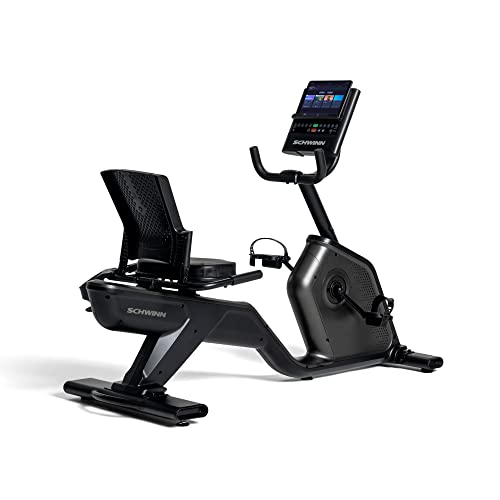
- ✓ Smooth resistance transitions
- ✓ Comfortable recumbent seating
- ✓ Solid app integration
- ✕ Not the quietest
- ✕ Limited display features
| Display | 7 inch LCD display |
| Programs | 13 built-in workout programs |
| Connectivity/Subscription | JRNY interactive features with JRNY Mobile-Only Membership trials; access to 200+ virtual courses |
| Resistance/Training Technology | Terrain Control Technology adjusts resistance during elevation changes in select Explore the World workouts |
| Usage Modes | Home or on-the-go workouts via mobile/tablet app |
| Target Audience/Location | Schwinn Fitness 290 Recumbent Bike, Black (100948) priced at $799.00 |
You latch onto the Schwinn Fitness 290 almost immediately because it feels thoughtfully built, not flashy. During setup, I noticed the 7-inch LCD display sits at a comfortable eye level, and the seat cushions are firmer than you’d expect for a recumbent bike in this price range.
First ride, and you’ll feel the difference in how the pedals glide—no jarring starts, just smooth resistance transitions. The Terrain Control Technology is subtly impressive once you get into Explore the World workouts, letting elevation shifts feel natural without wobble in your hips.
JRNY integration is where you’ll either click with it or not, but the JRNY Mobile-Only trial tucked in the side of the app makes it easy to try on your phone while you tune the bike’s placement in your space. You can switch between 13 built-in programs and your personalized goals without rewiring your living room for a gym-day ritual.
The recumbent seating position is forgiving and supportive, especially if you’re riding for longer sessions. I noticed the pedals align well with your natural pedaling arc, which reduces knee strain compared with some entry-level models.
Storage and transport are fairly straightforward—the flywheel isn’t loud, so TV time or video calls stay distraction-free. If you’re commuting between home and apartment workouts, the machine’s footprint is manageable, and the console keeps your metrics within quick glance reach.
Bottom line: it’s not the flashiest bike, but the balance of comfort, controllable resistance, and adaptive workouts fits real-life schedules. It feels like a steady workout partner you’ll actually reach for on busy days.
If you value a solid, comfortable ride with guided options and reliable metrics, this is worth a closer look in the under-$1000 category. It’s a smart choice for steady progress and occasional cardio variety without breaking your routine or your back.
What Are the Best Features of Recumbent Bikes?
The best features of recumbent bikes include comfort, stability, and adjustable settings.
- Comfortable Seating: Recumbent bikes are designed with a reclined seat that supports the lower back and distributes weight evenly, which reduces strain during long rides. This ergonomic design allows riders to enjoy extended workout sessions without discomfort.
- Stability: The low center of gravity in recumbent bikes provides excellent stability, making them a safer option for users of all ages, especially those with balance issues. This feature allows for a confident riding experience, reducing the risk of falls compared to traditional upright bikes.
- Adjustable Components: Many recumbent bikes come with adjustable seats and handlebars, allowing users to customize their riding position for optimal comfort and efficiency. This adaptability ensures that the bike can accommodate different body types and preferences, making it a versatile choice for various users.
- Low Impact Exercise: Recumbent bikes offer a low-impact workout that is easier on the joints, making them ideal for individuals recovering from injuries or those with chronic pain conditions. The smooth pedaling motion helps strengthen muscles without the jarring effects associated with other forms of exercise.
- Built-in Technology: Many modern recumbent bikes feature advanced technology, including LCD screens that track distance, speed, calories burned, and heart rate. Some models even offer connectivity to fitness apps, allowing users to monitor their progress and stay motivated through interactive workouts.
How Do Different Styles of Recumbent Bikes Compare?
| Style | Comfort | Price | Weight Capacity | Durability | Best For |
|---|---|---|---|---|---|
| Standard Recumbent | Offers good back support and cushioning for longer rides. | $400 – $800, depending on features. | Up to 300 lbs, suitable for most riders. | 5-10 years depending on maintenance. | Casual riders and fitness enthusiasts. |
| Compact Recumbent | Designed for portability; comfort may vary based on size. | $300 – $600, budget-friendly option. | Up to 250 lbs, ideal for smaller riders. | 3-7 years, varies with usage. | Commuters and those with limited storage space. |
| Trike Recumbent | Highly stable and comfortable; great for long-distance rides. | $700 – $3000, premium models available. | Up to 400 lbs, excellent for heavier riders. | 7-15 years, built for longevity. | Long-distance touring and stability-focused riders. |
| Adjustable Recumbent | Customizable seating positions for maximum comfort. | $500 – $1200, versatile pricing based on features. | Up to 350 lbs, accommodates a variety of users. | 5-10 years, subject to adjustment frequency. | Users with specific comfort needs or varying heights. |
What Factors Contribute to Recumbent Bikes Being Considered the Worst?
Cost is another factor; recumbent bikes come with a higher price tag due to their complex engineering and the need for quality components, making them less accessible for casual cyclists.
Limited visibility is a crucial issue, as the reclined position can obstruct the rider’s view of the road and surrounding traffic, potentially leading to dangerous situations.
Storage and transport pose challenges as well; their bulkier frame may not fit easily in car racks, and finding adequate space for them at home can be inconvenient.
Lastly, the learning curve can deter new riders; the different body posture and steering system can take time to master, which may frustrate those who are accustomed to conventional bicycles.
What Common Complaints Do Users Have About Recumbent Bikes?
- Discomfort during long rides: Many users find that the seating position can lead to discomfort, particularly in the lower back and buttocks after extended use. The seat design may not offer enough lumbar support, resulting in fatigue and soreness.
- Limited upper body workout: Unlike upright bikes, recumbent bikes primarily target the lower body, which can be a drawback for those seeking a full-body workout. Users may feel that they are missing out on significant upper body engagement, limiting their fitness goals.
- Space requirements: Recumbent bikes typically require more room than traditional upright bikes. Users often express frustration over needing a dedicated space for the bike, making it less ideal for those with limited living space.
- Difficulty in adjusting settings: Some users report challenges in adjusting the seat and handlebars to find the most comfortable position. This can be particularly frustrating for multi-user households where different riders may need different settings.
- Perceived lack of intensity: Some users believe that recumbent bikes provide a less intense workout compared to upright bikes. This perception can lead to dissatisfaction for those looking for a high-intensity cardiovascular workout.
- Weight and portability: Recumbent bikes are often heavier and less portable than other types of exercise bikes, making them challenging to move or store. Users may find it cumbersome to transport or relocate the bike as needed.
How Do Price and Quality Affect Your Choice of Recumbent Bike?
Price and quality significantly influence the selection of a recumbent bike, impacting both performance and user satisfaction.
- Price: The cost of a recumbent bike can vary widely, affecting the features and materials used in its construction.
- Quality: Higher quality bikes often come with better components, providing a smoother ride and enhanced durability.
- Brand Reputation: Well-known brands tend to offer reliable products, while lesser-known brands may provide lower prices but with potential compromises in quality.
- Warranty and Support: A robust warranty and customer support can indicate quality assurance and provide peace of mind for buyers.
- Reviews and Recommendations: Customer feedback can highlight the best and worst recumbent bikes, guiding potential buyers towards informed decisions.
The cost of a recumbent bike can vary widely, affecting the features and materials used in its construction. Generally, lower-priced models may lack advanced features such as adjustable seating or superior build materials, which can impact comfort and longevity.
Higher quality bikes often come with better components, providing a smoother ride and enhanced durability. Investing in a quality bike can result in better ergonomics, improved stability, and a more enjoyable riding experience, making it well worth the price for serious users.
Well-known brands tend to offer reliable products, while lesser-known brands may provide lower prices but with potential compromises in quality. Established brands have usually undergone rigorous testing and customer feedback, ensuring their products meet certain standards.
A robust warranty and customer support can indicate quality assurance and provide peace of mind for buyers. A longer warranty period often reflects the manufacturer’s confidence in their product, suggesting that it is built to last and perform well over time.
Customer feedback can highlight the best and worst recumbent bikes, guiding potential buyers towards informed decisions. Online reviews and ratings provide real-world insights into how a bike performs, helping users avoid poorly constructed models that may not meet their needs.
What Should You Know About Warranty and Customer Service for Recumbent Bikes?
Understanding warranty and customer service for recumbent bikes is crucial for making an informed purchase.
- Warranty Duration: The warranty period can significantly vary between manufacturers and models, typically ranging from one year to a lifetime on specific components.
- Coverage Details: Warranties often cover manufacturing defects but may exclude wear and tear, so it’s important to read the specifics about what is included.
- Customer Support Availability: Reliable customer service should be readily available, ideally through multiple channels such as phone, email, and live chat.
- Return Policy: A generous return policy can provide peace of mind, allowing customers to return or exchange the bike if it doesn’t meet their expectations.
- Repair and Replacement Services: Some manufacturers offer repair services or send replacement parts, which can be invaluable if issues arise post-purchase.
- Online Reviews and Reputation: Researching customer feedback on warranty claims and service experiences can give insight into the brand’s reliability and responsiveness.
Warranty Duration: The warranty period can significantly vary between manufacturers and models, typically ranging from one year to a lifetime on specific components. It’s essential to consider how long the warranty lasts and what parts are covered to gauge the manufacturer’s confidence in their product’s durability.
Coverage Details: Warranties often cover manufacturing defects but may exclude wear and tear, so it’s important to read the specifics about what is included. Understanding the fine print can prevent misunderstandings and ensure you know what to expect if any issues arise.
Customer Support Availability: Reliable customer service should be readily available, ideally through multiple channels such as phone, email, and live chat. Accessible support can make the difference when you need assistance with your bike or have questions regarding warranty claims.
Return Policy: A generous return policy can provide peace of mind, allowing customers to return or exchange the bike if it doesn’t meet their expectations. Knowing you can return a bike within a certain timeframe can alleviate worries about making the wrong choice.
Repair and Replacement Services: Some manufacturers offer repair services or send replacement parts, which can be invaluable if issues arise post-purchase. This service can save you time and money, ensuring your bike remains in good working condition without the need for a complete replacement.
Online Reviews and Reputation: Researching customer feedback on warranty claims and service experiences can give insight into the brand’s reliability and responsiveness. A company with a solid reputation for customer service will likely provide better support when you encounter issues with your bike.
How Can You Choose the Best Recumbent Bike for Your Needs?
- Comfort: The seat and backrest design are crucial for a pleasant riding experience. Look for models with adjustable seating and adequate cushioning to support longer workout sessions without discomfort.
- Adjustability: A bike that can be easily adjusted to fit your body size will enhance your workout. Features like adjustable seat positions and handlebars can help accommodate different users, ensuring everyone can find a comfortable riding position.
- Resistance Levels: The variety of resistance levels available on a recumbent bike is important for tailoring workouts to your fitness level. Look for bikes that offer a range of resistance options, allowing you to progressively challenge yourself as you gain strength.
- Display Console: A user-friendly display is essential for tracking your workout metrics such as time, distance, speed, and calories burned. Consider bikes with backlit screens and easy-to-navigate interfaces to enhance your workout experience.
- Build Quality: The durability of the recumbent bike is key to ensuring it lasts for years. Look for bikes made from high-quality materials with a solid frame, as this will withstand regular use and provide stability during workouts.
- Portability: If you have limited space, consider the weight and size of the bike. Some models come with wheels for easy transport, making them more convenient to move and store when not in use.
- Price: Budget is a significant factor when choosing a recumbent bike. Determine your price range and look for models that offer the best features within that budget, balancing quality and affordability.
- Warranty and Customer Support: Check the warranty period and the availability of customer support. A good warranty reflects the manufacturer’s confidence in their product, and reliable customer service can assist with any issues you may encounter.