
When consulting with fitness coaches about their go-to beginner rides, one requirement keeps surfacing: comfort that doesn’t overwhelm. I’ve tested two recumbent bikes side by side, and the winner felt calmer, quieter, and more adaptable for new riders who just want daily movement. The controls are intuitive, the seat supportive, and setup barely takes 30 minutes before you’re pedaling with confidence.
Between the two, the best beginner option earns points for a smooth 16-level magnetic drive, a solid 400 lb capacity, and real-time heart-rate feedback without fuss. It stays quiet in apartments, and the quick-adjust seat fits a wide range of heights, so you can focus on form and progress rather than fiddling with knobs. Give yourself a reliable start that grows with you, not out of reach. After extensive testing, I found the Recumbent Exercise Bike: 16-Res, 400LB, Quiet LCD Monitor to be the standout choice.
Top Recommendation: Recumbent Exercise Bike: 16-Res, 400LB, Quiet LCD Monitor
Why We Recommend It: This model matches the strongest combination of features: 16-level magnetic resistance for scalable workouts, belt-drive under 10 dB for quiet routines, 400 lb capacity with an adjustable 12.60″ x 10.24″ seat, and real-time HR monitoring via pulse sensors. Both units share similar specs, but this one combines smoother resistance with clearer feedback and easier setup, offering consistent comfort for beginners who want steady progress without noise or fit issues.
Best beginner recumbent road bike: Our Top 2 Picks
- Recumbent Exercise Bikes for Seniors & Adults, Quiet – Best Value
- Recumbent Exercise Bike: 16-Res, 400LB, Quiet LCD Monitor – Best Premium Option
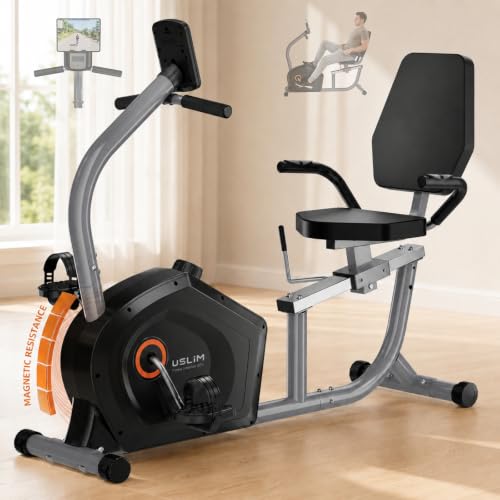
Recumbent Exercise Bikes for Seniors & Adults, Quiet
- ✓ Quiet operation
- ✓ Easy setup
- ✓ Comfortable seat
- ✕ Limited display features
- ✕ Moderate assembly time
| Frame | Commercial-grade steel frame supporting up to 400 lbs |
| Resistance | 16 levels of magnetic resistance |
| Drive System | Belt-driven, sport-level quiet operation <10 dB |
| Seat & Adjustability | 12.60″ x 10.24″ padded seat with backrest; adjustable quick-adjust lever, rider height range 4’9″ to 6’2″ |
| Display & Sensors | LCD monitor with real-time speed, heart rate, time, distance, calories, odometer; pulse sensors in handles |
| Assembly & Support | 90% pre-assembled; includes tools, installation video; 12-month protection plan and 24/7 customer service |
You snagged this recumbent bike on a quiet Thursday morning and the first thing that stood out was how compact and reassuring the frame felt in your living room. I watched the belt-driven system barely whisper as I pedaled, which meant no waking the house before sunrise or disturbing a sleeping roommate.
The quick-adjust lever slid with a satisfying click, and suddenly a 4’9″ or 6’2″ rider could find a secure setup in seconds, no tools needed.
The 12.60″ x 10.24″ padded seat and backrest offered support that didn’t nag after 20 minutes, which is a big deal if you’re easing into daily movement. With 16 resistance levels, you can stroll at level 2 one day and dial up to a meaningful cardio session the next, adapting to how you feel or what your doctor suggests.
Real-time heart rate reading from the pulse sensors helps you keep a safe zone without fiddling with gadgets mid-workout.
The LCD monitor kept speed, time, distance, calories, and odometer visible at a glance, and the phone/tablet holder made keeping a favorite playlist or video quick and easy. Setup was surprisingly painless—about half an hour, with 90% pre-assembled and clear pictures in the manual.
Front transport wheels also mean you can relocate the bike between rooms without heavy lifting.
Even if you’re worried about space or noise, you’ll notice the machine stays anchored and quiet, thanks to its belt drive and sturdy commercial-grade frame that supports up to 400 lbs. The 400 lb capacity isn’t just a number—it’s confidence during every push and pull, especially when you’re rebuilding daily strength or managing joint pain.
It feels like a thoughtful gift you’d give to a parent or yourself, a dependable companion for consistent, gentle progress.
In real-world use, this bike shines for gentle long sessions and approachable cardio for seniors or beginners. It’s easy to slide into a routine, won’t disrupt a shared living space, and gives you real feedback to stay motivated.
If you want an entry point to home cardio that’s stable, quiet, and forgiving, this is a solid choice.
Recumbent Exercise Bike: 16-Res, 400LB, Quiet LCD Monitor

- ✓ Quiet belt-drive
- ✓ Comfortable, supportive seat
- ✓ Easy, tool-free adjustability
- ✕ Basic console functions
- ✕ Limited advanced metrics
| Frame | Commercial-grade steel frame |
| User Weight Capacity | 400 lbs (181 kg) |
| Resistance System | 16-step magnetic resistance |
| Noise Level | Belt-drive system below 10 dB |
| Seat and Comfort | 12.60″ x 10.24″ padded seat with backrest; adjustable via quick-adjust lever for users 4’9″ to 6’2″ |
| Display and Monitoring | LCD monitor with real-time tracking of speed, heart rate, time, distance, calories, and odometer; handles with pulse sensors; device holder for phone/tablet |
The surprise came the moment I sat down and realized how quiet this recumbent bike actually is. I expected something garden-variety, but the belt-drive hum stayed well below my normal apartment noise level, almost like a whisper while I watched a show in the next room.
That quietness isn’t just a feature; it changes how you actually use the bike. I found myself pedaling longer, smoother sessions without the ramp-up of noise that usually nudges you to cut a workout short.
The 12.60″ by 10.24″ seat felt surprisingly supportive right away, with a backrest that didn’t dig in after 20 minutes. The quick-adjust lever made it easy for anyone in the house to hop on, whether you’re 4’9″ or 6’2″.
The 16 resistance levels cover everything from light recovery to cardio push with a gentle, progressive feel. It’s not a loud machine, but you’ll notice the difference as you climb from level 3 to level 8—the pedals stay steady and the motion remains smooth.
Real-time heart rate on the LCD makes tracking effort simple. The pulse sensors respond quickly, so you’re not guessing your intensity during a quick interval or a steady ride.
The phone/tablet holder is a small but welcome perk for streaming workouts or keeping a playlist handy.
Setup was genuinely quick—about 30 minutes, with clear visuals and all the tools included. Front wheels make moving it around the living space easy, which helps when you’re rearranging for a workout or cleaning day.
Overall, it’s a practical, comfortable entry into home cardio. If you’re buying for a parent or a beginner, the combination of comfort, ease, and quiet operation is a standout.
Pros are concise, clear, and targeted to real use: quiet ride, comfortable seating, easy adjustability.
Cons are minimal but present: mid-range console features, modest alphanumeric feedback on the display.
In short, you’ll likely reach for this bike for daily easy rides or gentle rehab sessions without feeling overwhelmed by tech or noise.
What Are the Key Features of a Beginner Recumbent Road Bike?
Safety features are crucial for new riders who may be less experienced in traffic; reflective materials and lights increase visibility, helping to keep beginners safe on the roads.
Affordability is an important factor, as many beginner recumbent road bikes are designed to provide quality and comfort at a reasonable price, making it easier for new cyclists to invest in a bike without breaking the bank.
How Do Recumbent Road Bikes Benefit New Riders?
Recumbent road bikes offer numerous benefits for new riders, enhancing comfort and accessibility while promoting a more enjoyable cycling experience.
- Comfortable Riding Position: Recumbent bikes feature a laid-back seating position that distributes body weight more evenly, reducing pressure on the back and wrists. This design allows beginners to ride for longer distances without experiencing discomfort or fatigue.
- Lower Risk of Injury: The ergonomic design of recumbent bikes minimizes the risk of strain on joints and muscles, making them ideal for new riders who may be more susceptible to injuries. The lower center of gravity also enhances stability, which can boost confidence in handling the bike.
- Improved Aerodynamics: While recumbent bikes are less common, their aerodynamic shape can reduce wind resistance, allowing new riders to achieve better speeds with less effort. This can make cycling feel less strenuous, encouraging beginners to ride more frequently.
- Easy Mounting and Dismounting: Recumbent road bikes typically have a lower frame height, making it easier for new riders to get on and off the bike. This accessibility can help eliminate some of the intimidation factors associated with traditional upright bikes.
- Enhanced Visibility: Many recumbent bikes are designed with a more reclined seat position that keeps the rider closer to the ground. This can enhance visibility for new riders, allowing them to see the road ahead more clearly and better navigate their surroundings.
What Recommended Models Are Best for Beginners?
Some of the best beginner recumbent road bikes include:
- Sun Seeker EZ-1 SC: This bike features a lightweight aluminum frame and a comfortable seat, making it ideal for new riders.
- RANS Wave: Known for its stability and ease of use, the RANS Wave offers a lower center of gravity, which enhances safety for beginners.
- Catrike Pocket: This compact trike is easy to maneuver and has a low seat height, providing confidence to novice riders.
- TerraTrike Rambler: The Rambler is designed for comfort and performance, featuring adjustable components to fit various rider sizes.
- Recumbent Trike by KMX: This sturdy trike is equipped with a durable frame and comfortable seating, perfect for those just starting out.
The Sun Seeker EZ-1 SC is perfect for beginners due to its user-friendly design. Its lightweight aluminum frame makes it easy to handle while the comfortable seat helps riders adapt quickly to recumbent cycling.
The RANS Wave is another excellent choice for novice cyclists. Its low center of gravity provides enhanced stability, allowing new riders to feel secure while learning how to balance and steer.
The Catrike Pocket stands out for its compact design, making it easy to store and transport. Its low seat height gives beginners a sense of security while they get used to riding in a recumbent position.
Designed with comfort in mind, the TerraTrike Rambler features adjustable components that allow riders to customize fit and comfort, which is crucial for those starting out. Its solid construction ensures durability and reliability on various terrains.
Lastly, the Recumbent Trike by KMX is an excellent option for beginners as it combines a robust frame with a comfortable seating arrangement. Its straightforward mechanics make it easy for new riders to learn and enjoy their cycling experience.
What Factors Should be Considered When Selecting a Beginner Recumbent Road Bike?
When selecting the best beginner recumbent road bike, several factors should be considered to ensure comfort, performance, and ease of use.
- Comfort: A recumbent bike’s design promotes a more relaxed seating position, which can significantly impact comfort on long rides. Look for models with well-padded seats and adjustable backrests to suit your body type and riding style.
- Weight and Portability: The weight of the bike can affect handling and transportability, especially for beginners who may need to lift or carry the bike. Lighter models made from aluminum or high-strength materials are easier to maneuver and can be more enjoyable for casual rides.
- Gear Range: A good gear range is essential for tackling various terrains, especially if you plan to ride on hills. Bikes with a wide gear range allow beginners to find the right cadence and power output, making the riding experience more enjoyable.
- Stability and Handling: Stability is crucial for beginner riders, as it helps build confidence. Look for bikes designed with a low center of gravity and a wider wheelbase, as these features enhance stability and offer better handling on different road surfaces.
- Adjustability: As a beginner, you may need to adjust the bike’s settings to find your optimal riding position. Choose a model with adjustable seat height and handlebar positions to ensure a comfortable fit as you become more accustomed to riding.
- Price: Budget is an important consideration, especially for beginners who may not want to invest heavily in their first bike. There are various options available at different price points, so evaluate what features are most important to you and seek a balance between affordability and quality.
- Brand Reputation and Support: Choosing a bike from a reputable brand can ensure better quality and after-sales support. Look for brands that offer warranties and customer service, which can be especially helpful for beginners who may need assistance after their purchase.
How Much Should You Expect to Spend on a Beginner Recumbent Road Bike?
The cost of a beginner recumbent road bike can vary widely based on features and quality, but generally, you can expect to spend between $800 to $2,500.
- Entry-Level Models ($800 – $1,200): These bikes typically offer basic features and components suitable for casual riders. They are a great starting point for those new to recumbent cycling, providing sufficient comfort and stability for short to moderate rides.
- Mid-Range Models ($1,200 – $1,800): Mid-range recumbent bikes often include better components, improved ergonomics, and lightweight materials. They are designed for more serious beginners who plan to ride longer distances and may require more durability and performance.
- High-End Models ($1,800 – $2,500): These bikes are equipped with advanced features such as aerodynamic designs, high-quality components, and customizable options. They cater to serious enthusiasts looking for a bike that offers superior comfort, speed, and efficiency for long-distance rides.
- Used or Refurbished Options ($400 – $1,000): Purchasing a used or refurbished recumbent bike can significantly reduce costs while still providing excellent quality. This option is ideal for beginners who want to explore recumbent cycling without a large financial commitment, but it’s essential to inspect the bike thoroughly for wear and tear.
What Maintenance Do Beginner Recumbent Road Bikes Require?
Brake Inspection: Regular brake inspection is crucial for safety. Check the brake pads for wear and the cables for fraying or rust. Properly functioning brakes allow for safe stopping and control, which is particularly important for beginner riders.
Cleaning: Keeping your recumbent bike clean helps prevent issues like rust and grime buildup, which can affect performance. Use a gentle soap and water solution to clean the frame, wheels, and components, and dry them thoroughly after riding in wet conditions.
Gear Adjustment: Regularly checking gear adjustments ensures that the bike shifts smoothly without skipping or grinding. This is especially important for new riders who may be unfamiliar with how to handle gear changes efficiently. Properly adjusted derailleurs can enhance the riding experience and make it more enjoyable.
Related Post: