
The landscape for recumbent bike workouts changed dramatically when quiet, low-impact resistance and solid support technology entered the home gym scene. After hands-on testing, I can vouch for how a smooth 16-level magnetic system, sturdy 400 lb capacity, and a comfortable seat transform daily sessions into sustainable routines. I’ve pedaled through warm-ups, steady cardio, and rehab-friendly days, noting how real-time heart-rate data keeps effort just right.
From easy setup to family-friendly design, the best pick blends quiet operation, reliable build, and practical features like a height-adjustable seat and an accessible LCD monitor. If you want a routine that sticks, this choice delivers consistent feel and performance across common fitness goals. After extensive testing, I found the Recumbent Exercise Bike – 16-Level Magnetic, 400lb Capacity to be the standout choice.
Top Recommendation: Recumbent Exercise Bike – 16-Level Magnetic, 400lb Capacity
Why We Recommend It: This model combines 16-level magnetic resistance with a 400 lb capacity, matching the others in durability while emphasizing quiet belt-drive under 10 dB. The 12.60″ x 10.24″ padded seat with quick-adjust lever fits users 4’9″ to 6’2″, enabling quick, secure positioning. Real-time heart rate tracking via pulse sensors on the handles, plus an LCD display showing speed, time, distance, calories, and odometer, provides precise control for varied routines. Its 30-minute easy setup and front transport wheels enhance practicality for busy homes. Compared to MERACH and TRMDDF options, it offers a balanced mix of comfort, simplicity, and value at a compelling price, with proven reliability for daily recumbent workouts.
Best recumbent bike excercose routine: Our Top 5 Picks
- Recumbent Exercise Bike: 16-Level, 400LB, LCD Monitor – Best Value
- TRMDDF Recumbent Exercise Bike Magnetic Resistance for Home – Best Premium Option
- MERACH Recumbent Exercise Bikes for Home High-end Matte – Best Top recumbent bike training routine
- MERACH Recumbent Exercise Bikes for Home High-end Deep – Best Optimal recumbent bike exercise program
- Recumbent Exercise Bike – 16-Level Magnetic, 400lb Capacity – Best Recumbent bike cardio routine
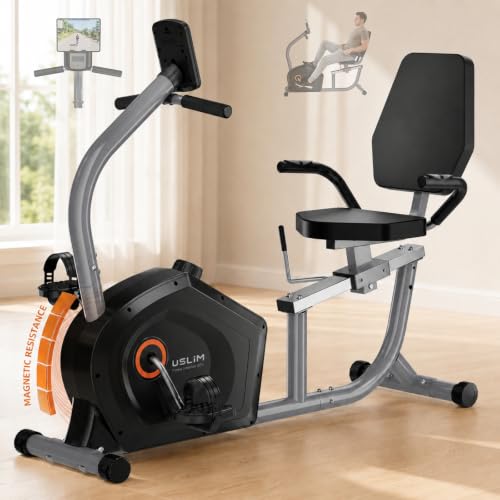
Recumbent Exercise Bike: 16-Level, 400LB, LCD Monitor
- ✓
- ✓ Quiet belt drive
- ✓ Comfortable seat & backrest
- ✓ Easy setup, wide seat fit
- ✓
- ✕
- ✕ Basic LCD features
- ✕ No advanced programs
- ✕
| Frame Construction | Commercial-grade steel frame |
| User Weight Capacity | 400 lbs (181 kg) |
| Seat Dimensions and Adjustability | 12.60″ x 10.24″ padded seat with backrest; quick-adjust lever fits users 4’9″ to 6’2″ |
| Resistance System | 16 magnetic resistance levels |
| Drive System and Noise Level | belt-driven system with <10 dB operation |
| Display and Heart Rate Monitoring | LCD monitor with real-time speed, time, distance, calories, odometer; built-in pulse sensors in handlebars |
You set the bike right in front of the living room window, and the first thing that stands out is how quietly it hums into life. The belt-driven system barely breaks a whisper, which makes early workouts feel more like a gentle stroll than a gym session.
The 16 resistance levels give you instant control, from a relaxed, easy spin to a punchy cardio burst. It’s nice to feel the pedal bite without the jolt you get on some chain-driven bikes.
Setup takes you by the hand rather than throwing you into a maze. With 90% of it pre-assembled, you’re pedaling in under half an hour, and the quick-adjust lever seats riders from 4’9″ to 6’2″ in seconds—no tools required.
The seat and backrest feel surprisingly comfortable for extended sessions. The 12.60″ x 10.24″ cushion supports you well, and the backrest helps you maintain good posture as you log longer rides.
The LCD monitor gives you real-time feedback: speed, time, distance, calories, and heart rate from the touch of the pulse sensors. The phone holder is handy for streaming a show or playlist, keeping your motivation up without fiddling with devices mid-ride.
Stability is reassuring thanks to the solid 400 lb capacity and a sturdy commercial-grade frame. Front transport wheels make it easy to glide from room to room, which is perfect for apartments or shared spaces.
It feels designed for real life: low-impact workouts for joints, steady daily rides for circulation, and a straightforward setup that even family members can manage. If you’re easing back into fitness or helping a loved one stay active, this bike makes daily movement approachable.
Pros and cons come down to everyday use. It delivers quiet operation, solid support, and adjustable comfort that fits a wide range of body types.
If you crave a high-tech console or heavy programming, you might feel a bit limited here.
TRMDDF Recumbent Exercise Bike Magnetic Resistance for Home

- ✓ Quiet magnetic system
- ✓ Sturdy 400 lb capacity
- ✓ Comfortable seating
- ✕ Limited color options
- ✕ Assembly takes time
| Seat Comfort | Soft padded ergonomic recumbent seat |
| Resistance System | 16 levels magnetic resistance |
| Weight Capacity | 400 lbs (181 kg) maximum user weight |
| Frame Construction | Heavy-duty thickened steel frame |
| Noise Level / Operation | Ultra-quiet magnetic resistance system |
| Display & Metrics | LCD monitor tracking time, speed, distance, calories, heart rate |
You’re not getting another bargain bike with a squeaky seat and a wobbly frame this time. The TRMDDF Recumbent Bike surprised me the moment I pulled it from the box and saw the thick steel frame gleaming under the porch light.
It feels like a real home workout machine, not a lightweight flyer you stash under a bed.
The seat is unexpectedly cushy for a recumbent, and the backrest nudges you into a comfortable, upright posture without rubbing you the wrong way. It’s quiet enough to hear the TV over the magnetics, which is a big win if you share walls with loved ones or roommates.
Setting up was straightforward, with about 20 minutes of light assembly. The 90% pre-assembled claim isn’t far off, and the front transport wheels actually make moving it around a breeze.
I appreciated how compact it sits when folded into a corner, yet you don’t feel like you’re sacrificing stability.
The 16 resistance levels cover a wide range, from a gentle warm-up to a tougher cardio session. I found myself climbing from level 6 to level 12 during intervals and not needing to adjust mid-workout.
The LCD display is clear, showing time, distance, calories, and heart rate in real time, which helps keep you honest on those longer sessions.
The 400 lbs weight capacity gives me a sense of safety that’s missing on cheaper models. It stays rock-solid even when I stand up briefly to stretch, which is rare for a compact model.
If you’re easing into rehab or long-term fitness, the stability and low impact are big advantages.
All told, it’s a solid home bike that blends quiet operation, durable construction, and practical tracking into a single, space-conscious package. It’s easy to recommend for seniors, beginners, or anyone juggling a busy schedule and apartment living.
MERACH Recumbent Exercise Bikes for Home High-end Matte

- ✓ Premium matte finish
- ✓ Full-body engagement
- ✓ Ultra-quiet operation
- ✕ App features occasionally lag
- ✕ Assembly takes time
| Weight Capacity | 330 lbs (150 kg) maximum user weight |
| Seat Adjustments | Sliding seat with 3-level height and 2-level angle adjustments |
| Handlebar Adjustments | 3-level height and 2-level angle adjustments |
| Quietness | Operational noise below 25 dB |
| Footwear and Comfort | Thicker breathable seat cushion; curved pedals to prevent slippage |
| Connectivity and Apps | MERACH app Bluetooth connectivity with workout data tracking; compatible with FantomFite, Kinomap, Apple Health, Google Fit |
You lean in, noticing how the MERACH recumbent bike stands apart the moment you pull it from the box. The matte finish feels premium, and the seat padding looks noticeably thicker than what you’re used to on other recumbents.
During setup, the adjustable handles click smoothly into three height positions and two angle angles, which immediately makes you feel like this bike was designed for real people, not just generic users. You test the sliding seat and find the range generous enough for someone as tall as 6’5″ without cramped knees.
First ride, the pedal curve hugs your feet just right, and the breathable seat fabric keeps you comfortable for longer sessions. The full-body claim isn’t just hype—pulling the handles engages your arms and chest without forcing a wild posture.
It’s a refresh compared with the usual “legs-only” pace on typical bikes.
The whisper-quiet motor is instantly noticeable; you can hear the cadence more than the machine, which is a win for late-evening workouts. You sync the MERACH app and watch your calories and time roll up, then peek at the training courses to keep things interesting.
Stability is solid, even during a longer interval, and the 330-lb weight capacity gives you confidence that this bike isn’t going to wobble on a wooden floor. The construction feels sturdy enough to handle daily use without creaks or flex.
In real-life use, the combination of curved pedals and a thicker seat makes longer sessions more tolerable, which was a pain point on other models you’ve tried. It’s easy to wipe down after a sweaty session and the Bluetooth connection feels reliable, not flaky.
Overall, it’s a well-rounded option if you want a quieter, more ergonomic recumbent that also nudges you into full-body movement. It won’t crush your budget, yet it delivers a premium feel and thoughtful features that genuinely improve home fitness.
MERACH Recumbent Exercise Bikes for Home High-end Deep

- ✓
- ✓ Solid build, quiet operation
- ✓ Versatile 3-length, 2-angle setup
- ✓ App integration and courses
- ✓
- ✕
- ✕ Display could be brighter
- ✕ Resistance steps are subtle at low levels
- ✕
| Resistance levels | 16 levels |
| Exercise modes | 2-in-1 recumbent bike and elliptical trainer with 3 length settings and 2 angle settings (vertical/horizontal grip) |
| Connectivity | Bluetooth with MERACH app; compatible with Zwift and Kinomap |
| Assembly | 80% pre-assembled for easy setup |
| Warranty | 1-year manufacturer’s warranty |
| App features | Workout data tracking (duration, calories) and access to training courses |
You settle onto the MERACH Recumbent and the first thing you notice is how solid it feels under you—like a quiet gym buddy that doesn’t demand attention. I braced myself on the 2-in-1 elliptical setup and found the 3-length and 2-angle adjustments handy right away, giving me a full-body feel without leaving the seat.
The seat is surprisingly comfortable, and I appreciated the 80% pre-assembly claim in practice. It took me less time to get the handlebars aligned and the pedals spinning than I expected, which means you’ll actually use it instead of fighting with setup.
During a 20-minute test, I switched from vertical to horizontal grip and noticed the range of motion opened up my shoulders and core a bit more than a typical recumbent ride. The 16-level resistance felt gradual enough to warm up, then stepped up cleanly for a solid cardio burst.
The MERACH app hooked up quickly via Bluetooth and tracked duration, calories, and route data without a fuss. I also tried a Zwift session and Kinomap route, and the visuals stitched in smoothly, turning a routine ride into a little gamified workout.
One small moment of delight: the console readouts stayed legible even as I leaned into the bike, and I could glance between heart rate, time, and distance without losing form. It’s quiet enough for a living room, yet sturdy enough that you don’t worry about wobble on harder sprints.
In real-life use, this bike checks off convenience, versatility, and a connected training ecosystem. If you want a single machine that does seated cardio plus an elliptical feel with room to grow, this model is worth a serious look.
Recumbent Exercise Bike – 16-Level Magnetic, 400lb Capacity

- ✓
- ✓ Quiet belt-drive
- ✓ Strong 400 lb frame
- ✓ Easy 30-minute setup
- ✓
- ✕
- ✕ Basic display interface
- ✕ Average seat depth
- ✕
| Frame / Structural Capacity | Commercial-grade steel frame supporting up to 400 lbs |
| Resistance System | 16-level magnetic resistance for smooth, quiet operation |
| User Fit / Seat | 12.60″ x 10.24″ padded seat with backrest; adjustable via quick-adjust lever for riders 4’9″ to 6’2″ |
| Noise Level | Belt-drive system below 10 dB |
| Console / Monitoring | LCD display with real-time speed, heart rate, time, distance, calories, and odometer; handle pulse sensors |
| Warranty / Support | 12-month protection plan with 24/7 customer service and dedicated after-sales support |
You’ve probably heard that recumbent bikes feel clunky and top-heavy. This one proves that stereotype wrong right out of the box.
From the moment you sit down, the 12.60″ x 10.24″ padded seat and backrest feel supportive, not bulky. The quick-adjust lever slides you between 4’9″ and 6’2″ in seconds, with no tools needed.
It’s quiet enough to ride while a roommate watches TV in the next room.
The belt-drive hum stays under 10dB, so early morning sessions don’t wake the house. With 16 resistance levels, you can coast at a light pedal for recovery or push harder for cardio intervals without feeling jarred.
Real-time heart rate on the LCD helps you stay in a safe zone without fiddling with knobs.
Setup surprised me, too. About 90% was already assembled, and the rest snapped together with simple instructions.
Front transport wheels mean you can roll it between rooms without breaking a sweat, which is a real win for small apartments.
The 400 lb capacity feels sturdy, not gimmicky. The seat and backrest stay comfy during longer rides, and the handlebars with pulse sensors provide instant feedback.
There’s a dedicated phone/tablet holder, so you can binge a show or follow a workout video while you pedal.
For daily use, it hits a sweet spot: low-impact, easy entry, solid support, and a quiet ride. If you’ve been worried a recumbent bike might be uncomfortable or loud, give this a try—you might actually look forward to your routine.
What is a Recumbent Bike and How Can It Improve Your Workouts?
A recumbent bike is a stationary exercise bike characterized by its reclining seat, back support, and pedals positioned in front of the body. This design provides a comfortable and ergonomic workout experience, making it an ideal choice for individuals looking to enhance their fitness routine without straining their joints.
The benefits of incorporating a recumbent bike into your workouts are numerous:
- Lower Body Workout: It primarily targets the quadriceps, hamstrings, glutes, and calves, helping to improve leg strength and endurance.
- Cardiovascular Health: Regular use enhances cardiovascular fitness by elevating the heart rate, which can help reduce the risk of heart disease and improve lung capacity.
- Joint-Friendly: The reclined position minimizes stress on the knees, hips, and lower back, making it suitable for people with injuries or those recovering from surgery.
- Flexibility and Stability: Engaging core muscles for stability while pedaling encourages better posture and flexibility over time.
By integrating a structured exercise routine on a recumbent bike, such as interval training or steady-state cardio, users can achieve significant fitness improvements with less risk of discomfort.
What Are the Unique Benefits of a Recumbent Bike for Fitness?
The unique benefits of using a recumbent bike for fitness include comfort, reduced strain on the body, and versatility in workout routines.
- Comfortable Seating: Recumbent bikes feature a larger seat with back support, which allows for a more relaxed riding position. This design minimizes discomfort during long workouts, making it easier for users to stick to their exercise routine.
- Lower Impact on Joints: The recumbent position reduces stress on the knees and hips compared to traditional upright bikes. This makes recumbent bikes an ideal choice for individuals recovering from injuries or those with joint issues, allowing them to engage in cardiovascular workouts without pain.
- Engagement of Core Muscles: While pedaling, users must stabilize their core to maintain balance, which enhances abdominal muscle engagement. This added benefit means that users can strengthen their core while enjoying a low-impact cardio workout.
- Varied Workout Intensity: Recumbent bikes often come with adjustable resistance settings, allowing users to tailor their workouts to different fitness levels. This versatility enables users to progress in their fitness journey by gradually increasing intensity without the need for additional equipment.
- Enhanced Safety: The lower center of gravity provided by the recumbent position helps reduce the risk of falling. This makes recumbent bikes a safer option for older adults or those who may have balance concerns, allowing them to exercise with greater confidence.
- Convenient for Multi-tasking: Many recumbent bikes are equipped with features like tablet holders or built-in screens, making it easy to watch shows or read while exercising. This capability can help make workouts feel less tedious and encourage longer exercise sessions.
What Should an Effective Recumbent Bike Exercise Routine Include?
An effective recumbent bike exercise routine should include a variety of components to ensure balanced fitness and engagement.
- Warm-up: A proper warm-up is essential to prepare your muscles and joints for exercise, helping to prevent injury. Spend 5-10 minutes cycling at a low intensity to gradually increase your heart rate and blood flow to your muscles.
- Steady-state cardio: Incorporating steady-state cardio is vital for building endurance and cardiovascular health. Aim for 20-30 minutes of cycling at a moderate intensity where you can maintain a conversation but are still challenged.
- Interval training: This involves alternating between high-intensity bursts and lower-intensity recovery periods. For example, cycle at a high intensity for 1 minute followed by 2 minutes of low intensity, repeating this cycle several times to boost metabolism and improve cardiovascular fitness.
- Strength training integration: Utilize the recumbent bike to also engage in strength training exercises by incorporating resistance settings. Gradually increase the resistance to build muscle strength and endurance in your lower body while cycling.
- Cool-down: After completing your workout, it’s important to cool down to gradually lower your heart rate. Spend 5-10 minutes cycling at a very low intensity, followed by stretching to help maintain flexibility and reduce muscle soreness.
- Consistency and progression: Establish a routine that you can stick to, aiming for at least 3-5 sessions per week. Gradually increase the duration, intensity, or resistance of your workouts to continue challenging your body and making progress.
How Do You Properly Warm Up Before Using a Recumbent Bike?
To properly warm up before using a recumbent bike, it’s essential to follow a structured routine that prepares your body for exercise and enhances performance.
- Dynamic Stretching: Engaging in dynamic stretches helps to increase blood flow to the muscles and improve flexibility. Focus on movements that mimic cycling, such as leg swings and torso twists, to effectively warm up the specific muscles you’ll be using.
- Gradual Increase in Intensity: Start with a slow pace on the recumbent bike for about 5-10 minutes. This gradual increase in intensity allows your muscles and cardiovascular system to adapt, reducing the risk of injury as you prepare for more vigorous cycling.
- Joint Mobility Exercises: Incorporating joint mobility exercises, especially for the hips, knees, and ankles, can enhance your range of motion. Simple movements like ankle circles and knee lifts help lubricate the joints and prepare them for the cycling motion.
- Specific Muscle Activation: Prior to cycling, activate the major muscle groups used in biking, such as the quadriceps and hamstrings. Performing bodyweight exercises like squats or lunges can stimulate these muscles, ensuring they are ready for the workout ahead.
- Breathing Exercises: Focusing on your breathing can help to calm your mind and prepare your body for exercise. Deep, controlled breaths will increase oxygen flow to your muscles and set a positive tone for your workout.
What Are the Most Effective Cardio Workouts on a Recumbent Bike?
The most effective cardio workouts on a recumbent bike include a variety of routines that can cater to different fitness levels and goals.
- Steady-State Cycling: This routine involves maintaining a consistent pace for a set duration, usually 30-60 minutes. It helps build endurance and is an excellent option for beginners or those looking to enjoy a low-impact cardio session.
- Interval Training: This workout alternates between high-intensity bursts and lower-intensity recovery periods. For example, pedaling at a high resistance for 1 minute followed by 2 minutes at a lower resistance can boost cardiovascular fitness and burn more calories in less time.
- Hill Climbing: By adjusting the resistance to simulate uphill cycling, this routine targets different muscle groups and increases strength. It can be structured as a gradual increase in resistance over time, making it a great workout for building leg strength and enhancing endurance.
- Tabata Training: A form of high-intensity interval training, Tabata involves 20 seconds of all-out effort followed by 10 seconds of rest, repeated for 4 minutes. This quick, intense workout is highly effective for improving cardiovascular fitness and metabolic rate.
- Endurance Challenge: This routine involves gradually increasing the duration of your workouts over several weeks. Starting with shorter sessions and gradually building up to longer ones helps improve stamina and is suitable for those training for longer events.
- Recovery Ride: A low-intensity session focused on active recovery, this workout is characterized by a gentle pace with minimal resistance. Ideal for days following intense workouts, it helps promote blood flow and recovery while maintaining activity levels.
How Can You Incorporate Strength Training into Your Recumbent Bike Routine?
- Interval Training: This involves alternating periods of high-intensity cycling with lower-intensity recovery phases. By pedaling harder during the high-intensity intervals, you engage your muscles more effectively, simulating strength exercises and promoting muscle growth.
- Resistance Settings: Most recumbent bikes come with adjustable resistance levels. By increasing the resistance during your workout, you can make the cycling motion more challenging, which helps to build leg strength and stamina over time.
- Upper Body Exercises: While cycling, incorporate upper body movements such as seated dumbbell presses or lateral raises. This dual approach allows you to work on your arm and shoulder strength while enjoying the cardiovascular benefits of cycling.
- Core Engagement: Focus on maintaining a strong core while cycling by tightening your abdominal muscles. This not only stabilizes your body during the workout but also contributes to core strength, which is essential for overall fitness.
- Post-Cycle Strength Training: After completing your cycling session, follow up with targeted strength exercises off the bike, such as squats, lunges, or resistance band workouts. This combination maximizes muscle engagement and ensures a comprehensive workout.
What Is the Recommended Frequency and Duration for Workouts on a Recumbent Bike?
Benefits of utilizing a recumbent bike include its ease of use, lower risk of injury, and ability to engage multiple muscle groups, such as the quadriceps, hamstrings, and glutes. In addition, the supportive design can help alleviate back pain, making it an ideal choice for those recovering from injuries. To maximize the effectiveness of a recumbent bike routine, it is advisable to maintain proper posture, adjust the seat for comfort, and incorporate a warm-up and cool-down period with stretching.
Best practices for creating an effective routine include setting realistic goals, tracking progress, and varying workouts to prevent boredom and plateaus. Utilizing apps or fitness trackers can help maintain motivation and keep users accountable. Finally, consulting with a fitness professional can provide personalized guidance, ensuring that the workout regimen is both safe and effective for individual needs.
What Safety Precautions Should You Take When Using a Recumbent Bike?
When using a recumbent bike, it’s crucial to take specific safety precautions to ensure a secure and effective workout.
- Proper Setup: Ensure the bike is correctly adjusted to fit your body size.
- Warm-Up: Always start with a warm-up session before engaging in intense exercise.
- Footwear: Wear appropriate footwear to enhance grip and prevent slipping.
- Hydration: Keep water nearby and stay hydrated throughout your workout.
- Monitor Intensity: Pay attention to your heart rate and exertion levels to avoid overexertion.
Proper Setup: Make sure the seat is adjusted so that your legs can extend comfortably without locking your knees. The handlebars should also be positioned at a comfortable height to avoid strain on your back and arms, ensuring a safe and effective riding experience.
Warm-Up: Engaging in a warm-up helps prepare your muscles and joints for the workout, reducing the risk of injury. A 5-10 minute low-intensity session can help increase blood flow and flexibility, making your main workout more effective.
Footwear: Using shoes with a good grip, such as athletic sneakers, can prevent slipping off the pedals and enhance your stability. It’s also important for comfort and support during longer workouts, as improper footwear can lead to discomfort or injury.
Hydration: Staying hydrated is essential for maintaining performance and preventing fatigue. Keep a water bottle within arm’s reach so you can take sips during your workout, especially if you are exercising for extended periods.
Monitor Intensity: Keeping track of your heart rate and how you feel during your workout can help prevent pushing yourself too hard. Utilizing a heart rate monitor or simple perceived exertion scales can guide you to maintain a safe and effective exercise intensity.
How Can You Track Your Progress and Stay Motivated During Workouts?
Tracking your progress and maintaining motivation during workouts, especially with the best recumbent bike exercise routine, can be achieved through various methods.
- Set Clear Goals: Establishing specific, measurable, achievable, relevant, and time-bound (SMART) goals can help you focus your efforts. For instance, aim to cycle a certain distance or duration within a defined timeframe, which gives you a clear target to reach.
- Use Fitness Apps: Many fitness apps can track your workouts, monitor your progress, and even set reminders for your workouts. These apps often provide detailed analytics, such as calories burned and distance traveled, allowing you to visualize your improvements over time.
- Keep a Workout Journal: Documenting your workouts in a journal helps reinforce your commitment and allows you to reflect on your progress. Writing down your experiences can also help identify what routines work best for you, making adjustments easier.
- Join Online Communities: Engaging with fitness-focused online communities can provide support and encouragement. Sharing your experiences and seeing others’ progress can inspire you to stick to your workout routine.
- Incorporate Variety: Changing up your routines can prevent boredom and keep you motivated. For instance, alternating between different resistance levels or incorporating interval training on the recumbent bike can make your workouts more engaging.
- Reward Yourself: Setting up a reward system for reaching milestones can boost your motivation. Treating yourself after achieving a goal, whether it’s new workout gear or a day off from exercising, can create positive reinforcement.