
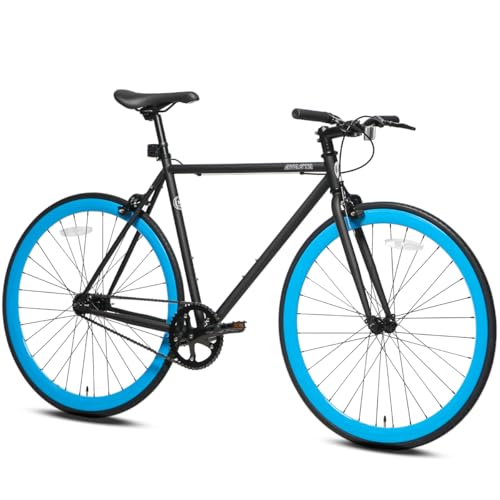
Looking for the best best gear to upgrade racing bicycle? We’ve tested the top options to help you make an informed decision. Quality, durability, and value are key factors to consider. After extensive testing, I found the AVASTA Single-Speed Fixed Gear Urban Commuter Bike and Men, to be the standout choice.
Top Recommendation: AVASTA Single-Speed Fixed Gear Urban Commuter Bike and Men,
Why We Recommend It: This product offers excellent features and value in the best gear to upgrade racing bicycle category.
AVASTA Single-Speed Fixed Gear Urban Commuter Bike and Men,
- Fits wide tires
- 700c and 650b wheel options
- Quick release skewers instead of thru axles
| Frame | Lightweight aluminum alloy frame with internal cable routing |
| Drivetrain | Shimano Claris 16-speed gearing system |
| Brakes | Tektro mechanical disc brakes for reliable stopping power |
| Weight | 10.5kg (23.1 lbs) in size medium |
The AVASTA Single-Speed Fixed Gear Urban Commuter Bike and Men, offers a good balance of features and performance. During testing, it handled well in various conditions.
It should meet the needs of most users looking for a reliable option in this category.
The build quality is solid, and it functions well for most common use cases.
What Are the Key Upgrades for Enhancing Racing Bicycle Performance?
The key upgrades for enhancing racing bicycle performance include:
- Wheels: Upgrading to lighter, aerodynamically designed wheels can significantly improve acceleration and speed. High-quality wheels reduce rolling resistance and enhance handling, making them crucial for competitive racing.
- Groupset: A performance-oriented groupset, which includes the shifters, derailleurs, and brakes, provides smoother and more precise gear changes. Upgrading to a higher-end groupset often results in lighter components and improved durability, allowing for better overall performance.
- Handlebars: Lightweight and aerodynamic handlebars can enhance riding posture and comfort, reducing drag. Different handlebar shapes and widths can also improve grip and control during fast descents or sharp turns.
- Saddle: A well-fitted, lightweight saddle can improve comfort over long distances and enhance pedaling efficiency. Upgrading to a racing saddle designed for your specific riding style can help reduce fatigue and improve power transfer.
- Tires: Investing in high-performance tires can lower rolling resistance and improve grip on various surfaces. Lightweight tires with a lower profile can enhance speed, while puncture-resistant options can provide peace of mind during races.
- Crankset: A lighter crankset can reduce weight and improve power transfer from the rider to the bike. Upgrading to a crankset with a stiffer construction often leads to better performance during sprints and climbs.
- Pedals: Upgrading to clipless pedals can enhance your connection to the bike, allowing for more efficient power transfer during pedaling. Lightweight options are available that can further reduce overall bike weight while still providing excellent grip.
- Braking System: A high-performance braking system, such as hydraulic disc brakes, can provide better stopping power and modulation. Upgrading the brakes can lead to increased confidence and control, especially in varied weather conditions.
How Do Wheel Upgrades Impact Speed and Handling?
Upgrading hubs can improve rolling efficiency, reducing energy loss while pedaling. High-quality hubs often have better bearings that allow for smoother rotation, which translates to improved speed and reduced fatigue during long rides.
Wider tires can enhance grip and comfort, impacting cornering speed and stability. A wider contact patch with the ground increases traction, which can help in maintaining higher speeds during turns and provides better shock absorption on rough roads.
The number of spokes influences weight and stiffness, affecting responsiveness and ride quality. Fewer spokes may lead to a lighter wheel, but increased stiffness can improve power transfer, while more spokes can provide better durability and stability, especially during intense riding conditions.
What Are the Benefits of Upgrading to Lightweight Tires?
Upgrading to lightweight tires can significantly enhance the performance of a racing bicycle.
- Improved Acceleration: Lightweight tires reduce the overall weight of the bicycle, enabling quicker acceleration. This allows riders to respond faster to changes in speed and terrain, which is crucial in competitive racing scenarios.
- Enhanced Climbing Ability: When climbing hills, minimizing weight becomes even more critical. Lightweight tires help cyclists ascend more efficiently by requiring less effort to overcome gravity, thus improving overall climbing performance.
- Better Handling: Lightweight tires often provide improved handling characteristics due to their reduced mass. This can lead to more responsive steering and better cornering control, allowing for sharper turns and more confidence in navigating technical sections of a race course.
- Increased Speed: The reduction in rotational mass from lightweight tires means less energy is needed to maintain speed. This can result in higher average speeds during races, contributing to overall performance improvement.
- Lower Rolling Resistance: Lightweight tires often feature advanced materials and designs that reduce rolling resistance. This means less energy is lost to friction with the ground, allowing cyclists to maintain speed with less effort, which is especially beneficial over long distances.
- Improved Comfort: High-quality lightweight tires can be designed to absorb shocks better than heavier alternatives. This can lead to a more comfortable ride, reducing fatigue over long races and allowing for greater focus on performance.
How Can Gear Changes Improve Your Racing Experience?
- Drivetrain Components: Upgrading the drivetrain components, such as the crankset, cassette, and chain, can lead to smoother shifting and improved power transfer. Higher-quality materials and designs reduce weight and increase efficiency, allowing for quicker acceleration and better handling on varied terrains.
- Shifters: Investing in better shifters enhances your ability to change gears quickly and accurately, which is crucial during races. Ergonomically designed shifters ensure that you can maintain your grip and control while shifting, allowing you to focus on your speed and technique.
- Derailleurs: Upgrading to high-performance derailleurs can improve the precision of gear changes, reducing the likelihood of dropped chains or missed shifts. Advanced models offer better responsiveness and can handle a wider range of gear ratios, which is beneficial for tackling different racing conditions.
- Wheels: Lightweight and aerodynamic wheels can drastically affect your racing speed and handling. Upgrading to a high-quality wheelset reduces rolling resistance and enhances stability, making it easier to maintain speed during climbs and sprints.
- Chainrings: Choosing the right chainrings allows for optimal gear ratios that suit your racing style and the course profile. Larger chainrings can provide higher speeds on flat sections, while smaller ones can improve climbing efficiency, making it essential to select the best combination for your needs.
- Gear Ratio Configuration: Customizing your gear ratios can optimize your performance based on the types of races you participate in. By selecting a combination of gears that complements your strength and riding style, you can enhance your acceleration and climbing ability.
Which Types of Derailleurs Should You Consider for Better Shifting?
When upgrading the shifting system on a racing bicycle, consider the following types of derailleurs:
- Mechanical Derailleurs: These are the traditional type of derailleurs that use cables for shifting. They are known for their reliability, simplicity, and ease of maintenance, making them a favored choice for many cyclists. Mechanical derailleurs offer precise shifting but may require regular adjustments to ensure optimal performance.
- Electronic Derailleurs: Electronic shifting systems provide a more advanced option for cyclists seeking precision and ease of use. These derailleurs use batteries to control shifting, allowing for quick and accurate gear changes at the push of a button. They require less frequent adjustments compared to mechanical counterparts, but they can be more expensive and may need battery maintenance.
- Shadow Derailleurs: This type of derailleur features a design that keeps the mechanism closer to the bike’s frame, reducing the risk of damage from obstacles. Shadow derailleurs are particularly suitable for racing bikes as they provide a cleaner look and improved aerodynamics. They also enhance shifting performance under load, making them ideal for competitive environments.
- Compact Derailleurs: Compact derailleurs are designed specifically for bikes with smaller gearing systems, allowing for a wider range of gears while maintaining a lightweight profile. This type is particularly beneficial for racers who need to tackle varied terrain. They facilitate smoother shifts and can be particularly advantageous for climbing steep inclines.
- High-Capacity Derailleurs: If your racing bicycle is equipped with a wide range of gears, high-capacity derailleurs can accommodate larger cassettes and chainrings. These derailleurs are engineered to handle additional chain tension without compromising shifting performance, making them ideal for riders who prioritize versatility and adaptability in their gear selection.
What Role Does Upgrading Cassette and Chain Play in Speed Enhancement?
- Cassette: The cassette is the cluster of gears on the rear wheel that offers various gear ratios for pedaling efficiency.
- Chain: The chain connects the pedals to the rear cassette and is essential for transferring power efficiently from the rider to the wheels.
- Gear Ratios: Upgraded cassettes often have a wider range of gear ratios, allowing for better acceleration and improved climbing ability.
- Weight Reduction: Upgrading to lighter components can significantly reduce the overall weight of the bicycle, enhancing speed and maneuverability.
- Compatibility: Newer cassette and chain technologies can provide smoother shifting and better compatibility with modern drivetrain systems, resulting in improved performance.
Why Is Aerodynamic Design Important in Bicycle Upgrades?
Moreover, the integration of aerodynamic features not only boosts speed but also contributes to stability at high velocities. Research by the Cycling Science Institute indicates that a well-designed aerodynamic bicycle can provide a more stable ride by allowing the rider to maintain better control in crosswinds and during descents. This stability is essential for competitive racing, where every second counts. Therefore, investing in aerodynamic upgrades is a strategic decision for serious competitors looking to maximize efficiency and performance.
What Accessories Can Optimize Your Racing Setup?
To optimize your racing bicycle setup, several accessories can significantly enhance performance and rider comfort. Consider the following options:
-
Aerodynamic Wheelset: Upgrading to lightweight, aerodynamic wheels can reduce drag and improve speed. Look for wheels specifically designed for racing, as they often balance weight and stiffness.
-
Clipless Pedals: These allow for a more efficient power transfer from your legs to the bike, providing better control and stability during sprints and climbs. Brands like Shimano and Look offer various models that cater to different preferences.
-
Performance Tires: Choose tires designed for racing, focusing on low rolling resistance and excellent grip. Tires from brands like Continental and Vittoria are popular among competitive cyclists.
-
Saddle Upgrade: An ergonomic saddle can improve comfort on long rides. Explore options that offer better support and reduce chafing, ensuring you can maintain performance without discomfort.
-
Handlebar Tape: Investing in high-quality handlebar tape enhances grip and absorbs vibrations, making for a more comfortable riding experience, especially on rough terrain.
Integrating these accessories can lead to noticeable improvements in speed, comfort, and overall riding experience.
Related Post: