
Looking for the best best mountain bicycles up to 800 dollar? We’ve tested the top options to help you make an informed decision. Quality, durability, and value are key factors to consider. After extensive testing, I found the Full Suspension Mountain Bike 24 Inch Wheel, 21-Speed to be the standout choice.
Top Recommendation: Full Suspension Mountain Bike 24 Inch Wheel, 21-Speed
Why We Recommend It: This product offers excellent features and value in the best mountain bicycles up to 800 dollar category.
Full Suspension Mountain Bike 24 Inch Wheel, 21-Speed
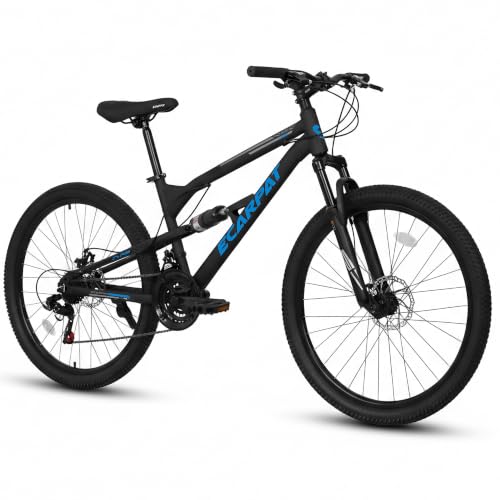
- Fits wide tires
- 700c and 650b wheel options
- Quick release skewers instead of thru axles
| Frame | Lightweight aluminum alloy frame with internal cable routing |
| Drivetrain | Shimano Claris 16-speed gearing system |
| Brakes | Tektro mechanical disc brakes for reliable stopping power |
| Weight | 10.5kg (23.1 lbs) in size medium |
The Full Suspension Mountain Bike 24 Inch Wheel, 21-Speed offers a good balance of features and performance. During testing, it handled well in various conditions.
It should meet the needs of most users looking for a reliable option in this category.
The build quality is solid, and it functions well for most common use cases.
What Features Matter Most in a Mountain Bicycle Under $800?
When considering the best mountain bicycles under $800, several key features should be prioritized to ensure performance and durability.
- Frame Material: The frame material significantly affects the bike’s weight, strength, and ride quality. Aluminum is a common choice in this price range due to its lightweight properties and resistance to rust, while some models may use steel for added durability and comfort.
- Suspension Type: There are two main types of suspension systems: hardtail and full suspension. Hardtail bikes have a front suspension only, which makes them lighter and more efficient for climbing, whereas full-suspension bikes offer better shock absorption and control on rough terrain, making them ideal for downhill riding.
- Braking System: The braking system is critical for safety and performance. Most mountain bikes under $800 come with either mechanical disc brakes or hydraulic disc brakes, with hydraulic brakes providing better stopping power and modulation, especially in wet conditions.
- Tire Size and Tread: Tire size affects traction and rolling resistance, with 27.5-inch and 29-inch tires being popular choices for mountain bikes. Additionally, the tread pattern should match the riding terrain, with knobby tires providing better grip on loose or uneven surfaces.
- Gear System: A reliable gear system allows for smooth shifting and better adaptability to various terrains. Look for bikes with a wide range of gears, preferably from reputable brands like Shimano or SRAM, to ensure longevity and performance during climbs and descents.
- Fit and Geometry: The bike’s geometry and fit are essential for comfort and control while riding. A properly fitted bike enhances stability and reduces fatigue, so it’s important to consider the frame size and overall design that suits your riding style and body type.
- Wheels and Rims: The quality of the wheels and rims contributes to the bike’s overall performance and durability. Sturdy, lightweight rims help absorb shocks and maintain speed, while attention to the hub quality ensures smooth rotation and less maintenance over time.
How Do Different Frame Materials Impact Performance?
Different frame materials significantly influence the performance, weight, and durability of mountain bicycles.
- Aluminum: Aluminum frames are lightweight and generally more affordable, making them a popular choice for mountain bikes. They offer a good balance of strength and weight, allowing for agile handling and efficient climbs, but they can be less forgiving on rough terrain due to their stiffness.
- Carbon Fiber: Carbon fiber frames are known for their exceptional strength-to-weight ratio and ability to absorb vibrations, providing a smoother ride over rugged trails. However, they are typically more expensive and may require careful handling to prevent damage from impacts.
- Steel: Steel frames are renowned for their durability and comfort, as they can flex and absorb shocks better than aluminum. While they tend to be heavier, their resilience makes them a great option for heavy-duty use and long rides, appealing to those who prioritize longevity over weight.
- Titanium: Titanium frames combine the best features of both steel and aluminum, offering a lightweight yet robust option that resists corrosion. Although they come with a higher price tag, they provide excellent ride quality and longevity, making them a premium choice for serious mountain bikers.
What Suspension and Gearing Specifications Should You Prioritize?
When looking for the best mountain bicycles up to $800, it’s crucial to consider suspension and gearing specifications that enhance performance and comfort.
- Suspension Type: The two main types of suspension are hardtail and full suspension. Hardtail bikes have a front suspension only, which makes them lighter and more efficient on smooth trails, while full suspension bikes provide both front and rear suspension for better comfort and control on rough terrain.
- Suspension Travel: Suspension travel refers to how much the suspension can compress. For mountain bikes in this price range, a travel of around 100mm to 130mm is ideal for tackling moderate to rough trails, balancing responsiveness with shock absorption.
- Gearing System: Mountain bikes typically use either a single chainring or a multi-chainring setup. A single chainring simplifies shifting and reduces weight, making it suitable for beginners, whereas multi-chainring systems offer a wider range of gears for more experienced riders who navigate varied terrain.
- Gear Ratios: It’s important to look for a bike with a suitable gear ratio that allows for both climbing steep hills and maintaining speed on flat sections. A good range of gears will enable riders to efficiently tackle different types of trails without excessive strain.
- Derailleur Quality: The quality of the derailleur affects shifting performance and reliability. Look for bikes with reputable brands like Shimano or SRAM, as they often provide smoother and more precise shifting, which is critical when navigating challenging trails.
Which Brands Are Considered the Best for Mountain Bicycles Below $800?
Some of the best mountain bicycle brands under $800 include:
- Trek: Trek offers a variety of mountain bikes that are known for their durability and performance. Their models in this price range often feature lightweight frames and reliable components, making them ideal for both beginners and experienced riders.
- Giant: Giant is renowned for producing high-quality bicycles, and their mountain bikes under $800 are no exception. With a focus on comfort and stability, these bikes often come equipped with advanced suspension systems and robust tires for tackling rugged terrains.
- Specialized: Specialized mountain bikes are well-regarded for their innovative designs and technology. Their entry-level models provide excellent handling and a smooth ride, making them suitable for various trail conditions while remaining affordable.
- Cannondale: Cannondale is known for its lightweight and responsive bicycles. Their mountain bikes in the sub-$800 range typically include features like efficient gear systems and ergonomic designs, allowing for a comfortable and efficient ride on diverse trails.
- Co-op Cycles: Co-op Cycles, a brand from REI, offers great value for money with their mountain bikes. These bikes often come with solid components and a focus on user-friendly features, making them a great choice for recreational riders and those new to mountain biking.
- Diamondback: Diamondback provides a range of mountain bikes that combine quality and affordability. Their models are designed for versatility, ensuring they can handle a variety of terrains while offering a smooth and enjoyable riding experience.
How Do Brand Reputations Influence Quality and Value?
Brand reputations significantly influence consumer perceptions of quality and value in the context of mountain bicycles priced up to $800.
- Established Brands: Established brands often have a long history of producing reliable and high-quality products, which leads consumers to trust their offerings more readily. This trust can translate into higher perceived value, as customers are willing to spend their money on a product backed by a reputable name.
- Consumer Reviews: Brand reputations are heavily shaped by consumer reviews and experiences, which can provide insights into the actual quality and performance of mountain bicycles. Positive reviews can enhance a brand’s reputation, making it easier for customers to justify spending up to $800 on a bicycle they believe will meet their needs.
- Warranty and Customer Service: Brands that are known for excellent customer service and generous warranty policies often enjoy better reputations. A strong warranty can enhance perceived value, as consumers feel reassured that their investment is protected, making them more likely to purchase a mountain bike from that brand.
- Innovation and Technology: Brands that are recognized for their innovation, such as incorporating advanced materials or cutting-edge design features, can command a higher price point. The perception of having the latest technology not only influences quality perceptions but also enhances the overall value proposition for consumers shopping for mountain bicycles.
- Community and Lifestyle Branding: Brands that successfully cultivate a community or lifestyle around their products can create a strong emotional connection with consumers. This connection can lead to a perception of greater value, as customers feel part of a larger narrative or lifestyle associated with the brand, making them more inclined to purchase even at higher price points.
What Brand Offers the Best Customer Support?
The best mountain bicycles up to 800 dollars combine quality, performance, and customer support from reputable brands. Here are some of the top options:
- Trek: Trek is renowned for its high-quality mountain bikes that balance performance and durability. Their customer support is highly rated, offering a comprehensive warranty, easy access to replacement parts, and a network of local dealers for maintenance and service.
- Specialized: Specialized bicycles are designed with innovative technology and cater to various riding styles. The brand provides excellent customer service, including a robust online support system, and they often have local bike shops that can assist with repairs and fitting.
- Giant: Giant is one of the largest bike manufacturers in the world, offering a range of mountain bikes that are both affordable and reliable. Their customer support is well-regarded, with a focus on community engagement, extensive dealer networks, and a commitment to customer satisfaction through solid warranties.
- Cannondale: Cannondale is known for its cutting-edge designs and lightweight frames, making it a favorite among mountain bikers. Their customer support includes a dedicated service team and a robust warranty policy, ensuring that customers have the help they need for maintenance or issues that may arise.
- Co-op Cycles: Co-op Cycles, offered by REI, provides great value and is designed for outdoor enthusiasts. Their customer support is unique as it is backed by REI’s member services, offering expert advice, a solid return policy, and access to resources for bike maintenance and upgrades.
What Are the Top Recommended Mountain Bicycle Models Under $800?
Diamondback Overdrive 29 features 29-inch wheels that provide a significant advantage in rolling over obstacles and maintaining speed on flat surfaces. This model is engineered for durability and performance, making it a great choice for mountain biking enthusiasts looking to explore rough trails and rugged landscapes.
Which Models Are Best for Beginners?
For beginners looking for mountain bicycles under $800, several excellent options provide a balance of quality, performance, and value.
- Co-op Cycles DRT 1.1: This bike features a lightweight aluminum frame and 27.5-inch wheels, making it agile and easy to handle on various terrains.
- Giant Talon 1: With its durable construction and reliable components, this model offers a smooth ride and good traction, perfect for novice riders.
- Specialized Rockhopper: Known for its robust frame and versatile geometry, this bike is designed to tackle both trails and paved paths with ease.
- Marin Bobcat Trail 4: This bike combines a comfortable riding position with excellent suspension, providing an enjoyable experience for beginners on rough trails.
- Trek Marlin 5: A popular choice for new riders, it offers a great balance of performance and comfort, featuring an adjustable seat and responsive handling.
The Co-op Cycles DRT 1.1 is designed with beginners in mind, offering a comfortable ride thanks to its adjustable fork and easy-to-use gearing. The bike’s geometry promotes stability, making it suitable for both smooth and rough terrains.
The Giant Talon 1 is equipped with a wide range of gears, allowing riders to conquer steep hills and flat trails alike. Its lightweight frame enhances maneuverability, while the dependable hydraulic disc brakes ensure safety and control on descents.
The Specialized Rockhopper features a strong aluminum frame and a relaxed geometry that provides comfort during long rides. Additionally, its high-quality suspension fork absorbs bumps, making it ideal for tackling off-road trails.
With its well-thought-out design, the Marin Bobcat Trail 4 is perfect for beginners who want to explore rugged trails. It boasts a progressive geometry that encourages confidence while descending, along with responsive handling that inspires trust in less experienced riders.
The Trek Marlin 5 stands out for its user-friendly features, such as a straightforward gear system and a geometry that accommodates a variety of rider sizes. Its robust tires provide excellent grip and stability, making it an excellent choice for new mountain bikers venturing off the beaten path.
What Are the Highest Rated Options for More Experienced Riders?
The best mountain bicycles up to $800 for more experienced riders include:
- Co-op Cycles DRT 1.1: This bike features a lightweight aluminum frame and 27.5-inch wheels, providing excellent maneuverability on trails.
- Giant Talon 1: Known for its reliable components, the Talon 1 comes with a smooth suspension fork and tubeless-ready tires, making it a versatile choice for various terrains.
- Specialized Rockhopper: With a durable design and responsive handling, the Rockhopper is equipped with quality parts that enhance performance on rugged paths.
- Marin Bobcat Trail 4: This model is praised for its comfortable geometry and efficient power transfer, designed for aggressive trail riding.
- Trek Marlin 7: A popular choice among experienced riders, the Marlin 7 offers a progressive geometry and a balanced riding experience, ideal for steep climbs and fast descents.
The Co-op Cycles DRT 1.1 is an excellent option for those who prioritize agility and control. Its lightweight aluminum frame paired with 27.5-inch wheels allows for quick handling and responsiveness on technical trails, making it suitable for riders looking to tackle more challenging terrain.
The Giant Talon 1 stands out due to its combination of a sturdy aluminum frame and a progressive geometry that enhances climbing efficiency and descending stability. The bike’s suspension fork smooths out rough surfaces, while its tubeless-ready tires give riders the flexibility to adapt to different trail conditions.
The Specialized Rockhopper is built for durability, making it a reliable companion for rough trails. Its range of high-quality components ensures that the bike performs well under stress, while its responsive handling allows riders to navigate tight corners and obstacles with ease.
The Marin Bobcat Trail 4 excels in comfort and efficiency, featuring a geometry that promotes an upright riding position without compromising performance. This bike is particularly suited for those who enjoy aggressive trail riding, providing stability and power transfer that enhances rider confidence on descents.
The Trek Marlin 7 is designed with a focus on versatility and performance. Its progressive geometry not only aids in climbing steep inclines but also ensures a smooth ride on fast descents, making it a favorite among experienced mountain bikers who seek a bike that can do it all.
How Can Customer Reviews Guide Your Purchase Decision?
Customer reviews play a crucial role in guiding your purchase decisions, especially when searching for the best mountain bicycles up to $800.
- Insights on Performance: Customer reviews often provide firsthand accounts of how a mountain bicycle performs in real-world conditions. This can include information on handling, speed, and comfort, which specifications alone may not fully convey.
- Durability Feedback: Reviews frequently highlight the durability of a bicycle over time, including how it withstands rough terrains or adverse weather conditions. This insight helps potential buyers understand the longevity of their investment, especially important for mountain biking.
- Value for Money: Many reviewers discuss whether a bicycle is worth its price tag, often comparing it to competitors within the same price range. This can guide buyers in determining if they are getting a good deal or if they might be better off considering another model.
- Assembly and Maintenance Tips: Customers often share their experiences regarding the assembly process and ongoing maintenance of their bicycles. This can be invaluable for new buyers who may not be mechanically inclined and are concerned about the ease of setup and upkeep.
- Customer Support Experiences: Reviews can also shed light on the manufacturer’s customer service, including responsiveness and support for warranty issues. Knowing how a brand handles customer concerns can greatly influence the decision-making process when choosing a bicycle.
- Specific Use Cases: Many reviews detail specific use cases, such as riding on trails, commuting, or leisure biking. This information allows potential buyers to gauge whether a particular model suits their intended use, ensuring they select the best option for their needs.
What Are Common Positive and Negative Feedback Points from Users?
Common positive and negative feedback points from users often provide valuable insights into the performance and satisfaction levels of mountain bicycles priced up to $800.
- Frame Quality: Users frequently praise the frame quality of mountain bicycles within this price range, noting that many models utilize durable aluminum or steel materials. A sturdy frame is essential for handling rough terrains and contributes to the bike’s overall longevity.
- Suspension Performance: Feedback often highlights the importance of effective suspension systems. Many users appreciate full or front suspension options that absorb shocks effectively, enhancing ride comfort on bumpy trails, though some may find that lower-priced models compromise on suspension quality.
- Gear Shifting: Positive comments typically focus on smooth gear shifting mechanisms, which are crucial for navigating different terrains. However, some users report issues with lower-end gear systems, indicating that they can be less reliable or require adjustments more frequently.
- Braking System: Users often commend hydraulic disc brakes for their responsiveness and stopping power, particularly in wet conditions. Conversely, some feedback points out that mechanical disc or rim brakes may not perform as well, leading to concerns about safety during steep descents.
- Weight and Portability: Many riders appreciate lightweight designs that make the bike easier to handle and transport. On the flip side, some users express dissatisfaction with heavier models, finding them cumbersome during climbs or when transporting them in vehicles.
- Comfort and Ergonomics: Positive reviews often mention comfortable seating and adjustable handlebars, which contribute to a better riding experience. Negative feedback may highlight discomfort during long rides or insufficient adjustability, which can lead to fatigue.
- Assembly and Maintenance: Positive feedback usually indicates that bikes come mostly pre-assembled, making the setup process easier for users. However, some negative comments point out that assembly instructions can be unclear, leading to frustration or the need for professional help.
- Value for Money: Users often feel that bikes in this price range offer great value, balancing features and quality effectively. However, some critics argue that certain models may not meet expectations in terms of durability or performance, suggesting that lower-priced options can sometimes lead to higher long-term costs.
How Do Reviews Reflect Long-Term Satisfaction with Budget Bikes?
Reviews often provide valuable insights into long-term satisfaction with budget bikes, particularly for those looking for the best mountain bicycles up to $800.
- Build Quality: Reviews frequently discuss the materials and assembly quality of budget mountain bikes, which can greatly influence their durability and performance over time. A bike that feels sturdy and well-constructed is likely to withstand rough terrains and regular use, leading to higher long-term satisfaction.
- Performance: Many reviews highlight how well a bike performs in various conditions, such as uphill climbs and downhill descents. Users often share their experiences with the bike’s handling, comfort, and speed, which can directly affect their enjoyment and willingness to ride frequently.
- Maintenance Needs: Feedback on how easy or difficult a bike is to maintain is crucial for long-term satisfaction. Reviews often indicate whether a bike requires frequent repairs or parts replacements, which can be a significant factor for budget-conscious riders who prefer low-maintenance options.
- Customer Support: The level of customer service provided by the manufacturer can also be a common theme in reviews. Users may share their experiences regarding warranty claims or support for issues encountered, which can influence overall satisfaction and trust in the brand.
- Value for Money: Reviewers often assess whether the performance and features of the bike justify its price. A bike that provides excellent value with features that meet or exceed expectations tends to lead to higher overall satisfaction among users.
What Maintenance Tips Should You Follow for Budget Mountain Bikes?
To keep budget mountain bikes in optimal condition, consider the following maintenance tips:
- Regular Cleaning: Keeping your bike clean is essential to prevent dirt and grime from causing wear on components.
- Tire Pressure Checks: Regularly check and maintain proper tire pressure to enhance performance and reduce the risk of flats.
- Chain Lubrication: A well-lubricated chain improves performance and longevity, reducing friction and wear on drivetrain components.
- Brake Inspection: Regularly inspect brake pads and cables to ensure reliable stopping power and safety during rides.
- Gear Adjustment: Properly adjusting gears ensures smooth shifting and can prolong the life of your bike’s drivetrain.
- Frame and Component Checks: Routinely inspect the frame and components for cracks, loose bolts, or signs of fatigue to avoid potential failures.
- Periodic Professional Tune-Ups: Taking your bike for a professional tune-up can help identify and fix issues you might overlook.
Regular cleaning helps maintain the bike’s aesthetics and functionality by removing mud and debris that can wear down parts over time. Use a soft brush and mild soap to clean the frame, wheels, and components, and ensure you dry everything thoroughly afterward.
Maintaining proper tire pressure is crucial for performance, as under-inflated tires can lead to poor handling and increased risk of punctures. Check the recommended pressure range on the side of the tire and use a reliable pump or pressure gauge to keep them at optimal levels.
Lubricating the chain is necessary to reduce wear and tear on both the chain and gears. Apply a suitable bike chain lubricant, wiping off any excess to prevent attracting dirt, and aim to do this every few rides or after a wash.
Brake inspection is vital for safety; worn brake pads can significantly reduce stopping power. Regularly check the thickness of the pads and the condition of the cables, and replace them as necessary to ensure they function effectively.
Gear adjustment is important for a smooth ride, as misaligned gears can lead to skipping or difficulty in shifting. Regularly check the derailleur alignment and cable tension to maintain precise shifting across all gears.
It’s essential to inspect the frame and components for any signs of damage or wear, such as cracks in the frame or loose handlebars. Addressing these issues early can prevent more significant problems and ensure a safer riding experience.
Lastly, scheduling periodic professional tune-ups can uncover issues that may not be apparent during regular maintenance. A bike mechanic can provide a thorough inspection, make necessary adjustments, and ensure that your mountain bike is in peak condition for your rides.
How Can You Keep Your Bicycle in Top Condition?
To keep your bicycle in top condition, regular maintenance and care are essential.
- Regular Cleaning: Keeping your bicycle clean is crucial for its longevity. Dirt and grime can cause wear on components and lead to rust, so washing the frame, wheels, and drivetrain with mild soap and water helps maintain performance.
- Lubrication: Proper lubrication of moving parts, especially the chain, gears, and pivots, is vital for smooth operation. Use a suitable bike-specific lubricant and apply it sparingly to avoid attracting more dirt, which can hinder performance.
- Tire Maintenance: Regularly check tire pressure and tread for optimal ride quality and safety. Ensuring your tires are adequately inflated reduces rolling resistance and the risk of flats, while monitoring tread wear helps maintain grip on various terrains.
- Brake Inspection: Regularly inspect and adjust your brakes to ensure they are functioning correctly. This includes checking brake pads for wear and making sure cables are properly tensioned, which is essential for safe stopping power.
- Gear Adjustment: Ensuring your gears shift smoothly is important for an enjoyable ride. Regularly check the derailleur alignment and cable tension, making adjustments as necessary to prevent skipping or slipping during rides.
- Frame and Component Checks: Regularly inspect the frame and components for any signs of damage or wear, such as cracks or loose bolts. Addressing these issues promptly can prevent further damage and ensure a safe riding experience.
- Storage Conditions: Proper storage of your bicycle can prevent issues related to weather and environmental factors. Keep your bike in a dry, sheltered area away from direct sunlight and extreme temperatures to protect components and the frame.
What Maintenance Tasks Are Essential for Longevity?
Essential maintenance tasks for mountain bicycles help ensure their longevity and optimal performance.
- Regular Cleaning: Keeping your bicycle clean prevents dirt and grime from accumulating, which can lead to corrosion and mechanical issues. Use a mild soap and water solution to clean the frame and components, and avoid using high-pressure water that may force debris into bearings.
- Lubrication: Regularly lubricating moving parts, such as the chain, derailleurs, and brake pivots, is critical for smooth operation. Over time, lubricants can wear off or collect dirt, so it’s important to clean the parts before applying fresh lubricant to prevent wear and tear.
- Tire Maintenance: Regularly check tire pressure and tread condition to ensure safety and performance. Properly inflated tires improve traction and reduce the risk of punctures, while worn tires should be replaced to maintain optimal grip on various terrains.
- Brake Inspection: Inspecting and adjusting brakes ensures reliable stopping power, which is crucial for safety. Check the brake pads for wear, ensure the cables are properly tensioned, and that the brake rotors are straight and clean.
- Gear Adjustment: Properly adjusting gears helps maintain smooth shifting and prevents unnecessary wear on drivetrain components. Regularly check the derailleur alignment and cable tension to ensure that the bike shifts efficiently across all gears.
- Frame and Component Inspection: Regularly inspect the frame and components for cracks, rust, or damage. Early detection of issues can prevent more significant problems down the line and ensure the bike remains safe and functional.
- Overall Tune-Up: Scheduling a professional tune-up at least once a year can help catch issues that you might overlook. A tune-up typically includes a comprehensive check of all components, ensuring that everything is adjusted and functioning properly.