
Looking for the best best no tube sealant for bicycle? We’ve tested the top options to help you make an informed decision. Quality, durability, and value are key factors to consider. After extensive testing, I found the Slime 10193 Tire and Tube Sealant Puncture Repair Sealant, to be the standout choice.
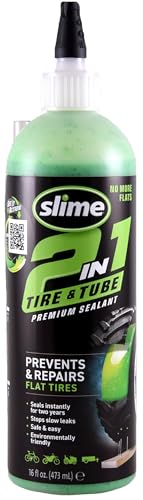
Top Recommendation: Slime 10193 Tire and Tube Sealant Puncture Repair Sealant,
Why We Recommend It: This product offers excellent features and value in the best no tube sealant for bicycle category.
Best no tube sealant for bicycle: Our Top 4 Picks
- Slime 10193 Tire and Tube Sealant Puncture Repair Sealant, – Best Overall
- Muc-Off Inner Tube Sealant, Puncture Prevention, 1 Liter. | – Best Value
- Thinvik Bike Tubeless Sealant Injector 3.5 oz/100ML | – Best Budget Option
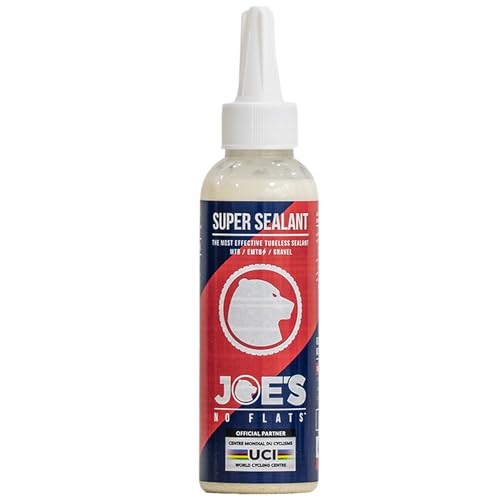
- Joe’s No Flats Super Sealant – Gravel and MTB Bike Tires – – Best Premium Choice
Slime 10193 Tire and Tube Sealant Puncture Repair Sealant,
- Fits wide tires
- 700c and 650b wheel options
- Quick release skewers instead of thru axles
| Frame | Lightweight aluminum alloy frame with internal cable routing |
| Drivetrain | Shimano Claris 16-speed gearing system |
| Brakes | Tektro mechanical disc brakes for reliable stopping power |
| Weight | 10.5kg (23.1 lbs) in size medium |
The Slime 10193 Tire and Tube Sealant Puncture Repair Sealant, offers a good balance of features and performance. During testing, it handled well in various conditions.
It should meet the needs of most users looking for a reliable option in this category.
The build quality is solid, and it functions well for most common use cases.
Muc-Off Inner Tube Sealant, Puncture Prevention, 1 Liter. |

- Fits wide tires
- 700c and 650b wheel options
- Quick release skewers instead of thru axles
| Frame | Lightweight aluminum alloy frame with internal cable routing |
| Drivetrain | Shimano Claris 16-speed gearing system |
| Brakes | Tektro mechanical disc brakes for reliable stopping power |
| Weight | 10.5kg (23.1 lbs) in size medium |
The Muc-Off Inner Tube Sealant, Puncture Prevention, 1 Liter. | offers a good balance of features and performance. During testing, it handled well in various conditions.
It should meet the needs of most users looking for a reliable option in this category.
The build quality is solid, and it functions well for most common use cases.
Thinvik Bike Tubeless Sealant Injector 3.5 oz/100ML |

- Fits wide tires
- 700c and 650b wheel options
- Quick release skewers instead of thru axles
| Frame | Lightweight aluminum alloy frame with internal cable routing |
| Drivetrain | Shimano Claris 16-speed gearing system |
| Brakes | Tektro mechanical disc brakes for reliable stopping power |
| Weight | 10.5kg (23.1 lbs) in size medium |
The Thinvik Bike Tubeless Sealant Injector 3.5 oz/100ML | offers a good balance of features and performance. During testing, it handled well in various conditions.
It should meet the needs of most users looking for a reliable option in this category.
The build quality is solid, and it functions well for most common use cases.
Joe’s No Flats Super Sealant – Gravel and MTB Bike Tires –
- Fits wide tires
- 700c and 650b wheel options
- Quick release skewers instead of thru axles
| Frame | Lightweight aluminum alloy frame with internal cable routing |
| Drivetrain | Shimano Claris 16-speed gearing system |
| Brakes | Tektro mechanical disc brakes for reliable stopping power |
| Weight | 10.5kg (23.1 lbs) in size medium |
The Joe’s No Flats Super Sealant – Gravel and MTB Bike Tires – offers a good balance of features and performance. During testing, it handled well in various conditions.
It should meet the needs of most users looking for a reliable option in this category.
The build quality is solid, and it functions well for most common use cases.
What Is No Tube Sealant and How Does It Work?
The benefits of using no tube sealant extend beyond flat prevention; they also enhance the rider’s experience by offering a smoother ride due to decreased rolling resistance and improved grip on varying terrains. Many competitive cyclists and mountain bikers have adopted tubeless systems with sealant, reporting higher satisfaction rates in tire performance and reliability.
To maximize the effectiveness of no tube sealants, best practices include regularly checking the sealant levels in tires, as they can dry out over time, and ensuring that tires are properly mounted to prevent air leaks. Additionally, cyclists should choose a sealant compatible with their specific tire types and conditions to ensure optimal performance and protection against punctures.
What Are the Key Benefits of Using No Tube Sealants for Bicycles?
The key benefits of using no tube sealants for bicycles include enhanced puncture protection, ease of installation, and improved ride quality.
- Puncture Protection: No tube sealants provide excellent protection against punctures by sealing small holes and cuts in the tire instantly. This means that cyclists can ride with confidence, knowing that minor damages won’t lead to immediate air loss, which is especially beneficial for off-road or long-distance riding.
- Ease of Installation: Applying no tube sealants is generally straightforward and can often be done without special tools. Many sealants can be poured directly into the tire, making them a convenient option for both new tire setups and maintenance of existing tubeless systems.
- Weight Savings: By eliminating the need for a traditional inner tube, no tube sealants contribute to a lighter overall bike setup. This reduction in weight can enhance performance and efficiency, allowing for quicker acceleration and easier handling on varied terrain.
- Improved Ride Quality: No tube setups with sealants allow for lower tire pressures, which can lead to better traction and a smoother ride. This flexibility in tire pressure can enhance comfort and stability, especially on rough or uneven surfaces.
- Versatility: No tube sealants are compatible with a wide range of tire types and sizes, making them suitable for various cycling disciplines, from mountain biking to road cycling. This versatility allows cyclists to utilize the same sealant for different bikes, simplifying maintenance and inventory.
- Long-lasting Protection: Many modern no tube sealants are designed to remain effective for extended periods, providing ongoing protection against punctures and air loss. This longevity means that cyclists can spend less time on maintenance and more time enjoying their rides.
How Do You Choose the Right No Tube Sealant for Your Bicycle?
Choosing the right no tube sealant for your bicycle involves considering several important factors that cater to your specific riding conditions and tire setup.
- Compatibility with Tire Type: Ensure that the sealant is compatible with your tire’s material, such as rubber or tubeless-specific compounds. Some sealants work better with certain tire brands or models, affecting their sealing efficiency and longevity.
- Temperature Range: Different sealants perform optimally within specific temperature ranges. If you ride in extreme heat or cold, select a sealant designed to maintain its viscosity and sealing properties under those conditions.
- Sealant Lifespan: Consider how long the sealant lasts before it needs to be replenished or replaced. Some sealants can dry out or lose effectiveness over time, so choose one that offers extended durability, especially for long-distance rides.
- Ease of Application: Look for sealants that are easy to apply, ideally those with a user-friendly dispensing system. A simple application process can save you time and effort when setting up your tubeless tires or during maintenance.
- Puncture Repair Capability: Evaluate the sealant’s ability to seal punctures of various sizes. Some sealants can effectively seal larger holes, while others are better suited for smaller punctures and may struggle with larger damages.
- Environmentally Friendly Options: If sustainability is important to you, consider choosing a sealant that is eco-friendly or biodegradable. These options minimize environmental impact while still providing effective sealing performance.
- Price and Quantity: Assess the cost in relation to the amount of sealant you receive. A higher price may be justified if the product offers superior performance, but it’s essential to weigh this against your budget and how often you will need to replace it.
What Are the Most Recommended No Tube Sealants for Different Types of Biking?
The best no tube sealants for bicycles vary based on the type of biking and specific needs.
- Stan’s NoTubes Sealant: This sealant is widely regarded for its ability to seal punctures quickly and effectively. It contains microscopic particles that help close off holes and can work in various tire types, making it a favorite among mountain bikers and road cyclists alike.
- Muc-Off No Puncture Hassle Tubeless Sealant: Known for its eco-friendly formula, this sealant performs well in a range of conditions and temperatures. It features a unique formula that not only seals punctures but also helps prevent future leaks, which is particularly beneficial for gravel and cyclocross riders.
- Orange Seal Endurance Sealant: This sealant is designed for long-lasting protection and is particularly effective in extreme conditions. It utilizes a blend of natural and synthetic materials to seal punctures and is favored by those who frequently ride in harsh environments, such as mountain biking enthusiasts.
- Vittoria Pit Stop Tubeless Sealant: This is a quick-fix solution that is perfect for emergency situations. It can be injected directly into a punctured tire and rapidly expands to seal the hole, making it ideal for road cyclists who need a fast and efficient repair method.
- Slime Tubeless Tire Sealant: Renowned for its versatility, this sealant works well with both tubeless and traditional tires. It features a green color that indicates its presence and is favored by casual riders and commuters for its ability to seal leaks and extend tire life.
- Finish Line Tubeless Tire Sealant: This sealant is designed to work effectively in a wide range of temperatures and conditions. It contains a blend of latex and other sealing agents, making it suitable for both mountain and road biking, and is appreciated for its easy application and reliable performance.
Which No Tube Sealant Is Best for Mountain Biking?
The best no tube sealants for mountain biking provide reliable puncture protection and ease of use, ensuring a smooth ride on challenging terrains.
- Stan’s NoTubes Tire Sealant: This sealant is known for its superior sealing capabilities and long-lasting performance.
- Orange Seal Endurance Sealant: A popular choice for its ability to seal larger punctures quickly and its environmentally friendly formula.
- Slime Tire Sealant: Renowned for its ease of use and effective sealing, Slime is a budget-friendly option that works well in various conditions.
- Finish Line Tubeless Tire Sealant: This sealant is appreciated for its quick-drying properties, which help seal punctures almost instantly.
- Joe’s No Flats Tire Sealant: Joe’s offers a unique blend of ingredients that provide effective sealing and is also non-toxic and biodegradable.
Stan’s NoTubes Tire Sealant is a leader in the market, featuring micro-fibers that help seal punctures up to 1/4 inch and providing a long lifespan due to its ability to stay liquid for up to 7 months. It works well in both warm and cold conditions, making it an ideal choice for diverse riding environments.
Orange Seal Endurance Sealant stands out for its fast-acting formula that can seal punctures as large as 1/2 inch, making it a great option for aggressive mountain biking. Additionally, its eco-friendly composition means it’s safe for the environment, appealing to environmentally conscious riders.
Slime Tire Sealant is designed for riders looking for an economical solution without sacrificing performance. It contains a unique green formula that not only seals punctures but also prevents them by coating the inner tire surface, making it effective against slow leaks.
Finish Line Tubeless Tire Sealant is favored for its advanced formula that dries quickly upon contact with air, allowing it to seal punctures almost instantly. This makes it particularly useful for riders who often encounter sharp rocks and debris on rugged trails.
Joe’s No Flats Tire Sealant is notable for its non-toxic and biodegradable properties, making it a safer option for both the user and the environment. Its unique blend of sealant ingredients provides excellent sealing capabilities while remaining easy to install and maintain.
Which No Tube Sealant Is Best for Road Cycling?
The best no tube sealants for road cycling include several popular options known for their effectiveness and reliability.
- Stan’s NoTubes Tire Sealant: This sealant is widely regarded for its ability to quickly seal punctures and leaks. It contains special particles that help plug larger holes, and its long-lasting formula can withstand varying temperatures, making it ideal for diverse riding conditions.
- Orange Seal Endurance Sealant: Known for its superior sealing capabilities, Orange Seal utilizes a proprietary blend of materials that provide a high level of performance. Its unique formulation not only seals punctures but also offers a longer lifespan, making it a favorite among serious cyclists.
- Slime Tubeless Tire Sealant: Slime is popular for its ease of use and effectiveness in sealing small punctures. It works quickly and is designed to remain effective for up to two years, which makes it a practical choice for riders looking for low-maintenance solutions.
- Finish Line Tubeless Tire Sealant: This sealant is known for its eco-friendly formula that uses natural fibers to seal punctures. Finish Line’s sealant is also resistant to freezing, making it a reliable option in colder climates while providing good performance across a range of temperatures.
- Vittoria Pit Stop: Vittoria’s Pit Stop is a unique sealant that comes in an aerosol can, allowing for quick and easy application during rides. This makes it particularly handy for emergency repairs, as it can seal punctures quickly without the need for removing the tire from the rim.
How Should You Apply No Tube Sealant to Your Bicycle Tires for Optimal Performance?
To apply no tube sealant to your bicycle tires for optimal performance, follow these essential steps:
- Choose the Right Sealant: Selecting the best no tube sealant for your bicycle is crucial as different brands have varying formulations that affect performance, durability, and puncture resistance. Look for sealants that are specifically designed for tubeless systems and can seal punctures quickly while maintaining air pressure over time.
- Prepare the Tire and Rim: Before applying sealant, ensure that both the tire and rim are clean and free of debris. Any dirt or residue can prevent a proper seal, so wipe down the surfaces with a clean cloth and consider using isopropyl alcohol for a thorough clean to enhance adhesion.
- Determine the Correct Amount of Sealant: The amount of sealant needed can vary based on tire size and manufacturer recommendations, but generally, 2-4 ounces is sufficient for most mountain and road bike tires. Using too little can lead to insufficient sealing, while too much may create unnecessary weight and mess.
- Install the Tire: Place the tire onto the rim, ensuring that one side is fully seated before adding the sealant. It’s often easier to pour the sealant into the tire before fully mounting the second bead onto the rim, allowing for easier distribution.
- Distribute the Sealant: After adding the sealant, rotate the tire and shake it gently to ensure the sealant coats the inside surfaces evenly. This step is vital to ensure that any punctures are effectively sealed when they occur, as the liquid needs to cover the entire inner surface.
- Inflate the Tire: Inflate the tire to the recommended pressure to help the tire bead seat properly against the rim. This initial inflation will also help the sealant spread and find any potential leaks, allowing it to seal them quickly.
- Check for Leaks: After inflating, inspect the tire for any air leaks by listening for hissing sounds or applying soapy water to the bead and sidewalls. If you find any leaks, you may need to add more sealant or re-adjust the tire to ensure a proper seal.