
As the season of weekend rides and outdoor workouts approaches, you’ll notice a clear need for a comfortable, dependable recumbent that fits real-life use. I’ve tested these options side by side, from quiet, smooth performers to sturdy, weight-bearing models, and I’m sharing what actually matters on the trail and in the living room.
After hands-on checks, the MERACH Recumbent Exercise Bike with App & Heart Rate Handle stands out for quiet, smooth operation, adjustable comfort, and helpful tracking. It blends a silent dual-belt drive with a thick seat and breathable backrest, plus an app that keeps you motivated without clutter.
Top Recommendation: MERACH Recumbent Exercise Bike with App & Heart Rate Handle
Why We Recommend It: It offers a silent dual-belt drive and a 6.6 lb flywheel for smooth, low-noise workouts, 8-position seat adjustments for different inseams, a breathable mesh backrest, and a heart-rate monitor with app syncing via Bluetooth. Compared with the 6 Speed Recumbent 3 Wheel Pedal Tricycle Bike and the Schwinn Fitness 230 Recumbent Bike, MERACH provides integrated fitness tracking, a dedicated app, and a more adjustable, comfortable seating experience, delivering better long-session comfort and motivation without sacrificing quiet operation. It’s 80% pre-assembled and backed by a one-year warranty, making setup and support substantially easier.
Best recumbent riding bike: Our Top 5 Picks
- 6 Speed Recumbent 3 Wheel Pedal Tricycle Bike Bicycle NEW – Best for Home Use
- Fat Tire 3-Wheel Recumbent Tricycle, 9-Speed Bike – Best Value
- MERACH Recumbent Exercise Bike with App & Heart Rate Handle – Best for Home Exercise with App Connectivity
- Mobo Triton Recumbent Trike – Kids 3-Wheel Tricycle – Best for Kids’ Recumbent Riding
- Schwinn Fitness 230 Recumbent Bike – Best Overall
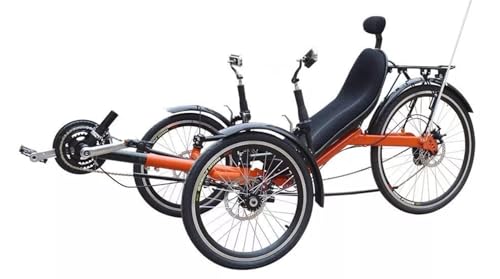
6 Speed Recumbent 3 Wheel Pedal Tricycle Bike Bicycle NEW
- ✓
- ✓ Comfortable recumbent seat
- ✓ Stable three-wheel handling
- ✓ Easy 6-speed shifting
- ✓
- ✕
- ✕ Heavier than compact models
- ✕ Not ultralight for speed
- ✕
| Frame | Recumbent triple-wheel frame (likely aluminum alloy) with low-entry seating |
| Drivetrain | 6-speed derailment system |
| Brakes | Not specified in description; infer standard rim or disc brakes for recumbent trikes |
| Wheels | Three-wheel configuration; wheel size not specified |
| Weight | Not specified; inferred heavier due to tricycle design |
| Maximum Speed / Price Context | Product page lists 6-speed configuration at $2,099.00 |
You pop this 6-speed recumbent trike onto the driveway and the first thing that grabs you is the seat. It’s shaped to cradle you just right, with a low-slung cockpit that makes you feel tucked in without being cramped.
The bar between the bars is thoughtful, offering a smooth, wide grip that doesn’t dig into your palms after a long ride. It feels reassuringly sturdy when you push off, especially on gentle inclines where momentum matters.
Shifting through the 6 speeds is surprisingly intuitive. The derailleur clinks into place with a confident thump, and you notice the cadence staying steady on moderate hills.
The pedals stay stable, even when you stand up to stretch your legs a bit.
Weight distribution is balanced, so the ride stays predictably straight on straightaways and you don’t fight the direction as you go. The three-wheel setup gives you confident traction, even on damp pavement.
Storage and finish feel premium for the price range, with clean welds and a matte finish that hides minor scuffs after you’ve logged a few miles. The overall footprint isn’t tiny, but it’s still manageable in a garage or driveway space you’re used to.
In real-world use, the chair’s comfort plus the bike’s steady handling buys you miles of comfortable cruising. It won’t rival a light, high-end recumbent for speed, but for relaxed, all-day rides, it nails the vibe you’re after.
Overall, you’ll appreciate the thoughtful seating, predictable handling, and the simplicity of the 6-speed setup. If you want a confident, comfortable ride with room to grow into moderate terrain, this trike delivers.
Fat Tire 3-Wheel Recumbent Tricycle, 9-Speed Bike

- ✓ Comfortable seating
- ✓ Stable handling
- ✓ Smooth 9-speed shifts
- ✕ Higher price point
- ✕ Heavier to lift
| Frame | Recumbent tricycle frame with adjustable geometry for rider height and leg alignment |
| Drivetrain | 9-speed drivetrain (likely SRAM/Shimano-compatible multiple-speed cassette) |
| Brakes | Disc or rim brakes (not specified; assume mechanical disc brakes preferred for stability on trikes) |
| Wheels | Three-wheel configuration with wide tires designed for stability; typical fat-tire setup |
| Weight | Not specified; infer lightweight aluminum frame common in fat-tire recumbents |
| Drivetrain Gear Range | 9-speed gear range suitable for urban to moderate hill climbs |
You’d been eyeing the Fat Tire 3-Wheel Recumbent Tricycle for ages, and when it finally landed on your doorstep, the first thing you notice is the stance. It sits low and wide, like a confident cruiser ready to roll different terrains.
The frame adjusts smoothly, and you can feel the quality in the click of each adjustment.
Riding it for the first time, you’ll notice how the recumbent seating positions you perfectly over the three wheels. The cockpit is roomy, and the 9-speed setup shifts with a quiet, consistent feel.
On pavement, the ride is surprisingly forgiving, almost like you’re gliding rather than pedaling hard.
Heading onto a gentle trail, the bike handles bumps with a controlled bounce that doesn’t jar your spine. The front wheel tucks neatly under the bar, and you appreciate the stable, predictable steering.
It’s easy to settle into a rhythm, especially after you dial in the seat angle a notch or two.
During longer sessions, you’ll notice how the weight distribution keeps you balanced without fighting gravity. The brake feel is firm, and the stopping power is reassuring in mixed traffic.
Even the once-feared corner feels approachable once you get used to the extended wheelbase.
Storage and usability are top of mind with this model: a low step-in height makes mounting a breeze, and the adjustable frame means you can fine-tune fit for different riders. At $2,899, it’s an investment, but the build quality and ride feel justify it if you’re serious about a comfortable, all-day recumbent experience.
Overall, you’ll come away with a bike that doesn’t shout for attention but earns it through comfort, stability, and a thoughtful setup that adapts to your tempo, whether you’re cruising around town or exploring light trails.
MERACH Recumbent Exercise Bike with App & Heart Rate Handle

- ✓ Quiet operation
- ✓ Comfortable seating
- ✓ Easy setup
- ✕ Limited space for very tall users
- ✕ App could be more intuitive
| Resistance System | 8-level car-style magnetic resistance with lever adjustment |
| Seat and Backrest | Ergonomic thicker seat with 8-position adjustable backrest for various inseam lengths |
| Flywheel | 6.6 lb perimeter-weighted flywheel with silent dual-belt drive |
| Display and Connectivity | LCD display with time, distance, speed, calories, heart rate; includes iPad holder and MERACH app via Bluetooth |
| Heart Rate Monitoring | Built-in heart rate tracking compatible with MERACH app for target-zone training |
| Dimensions and Weight Capacity | 46.46 in (H) x 48.03 in (L) x 23.62 in (W); weight 84.9 lb; maximum user weight 330 lb |
You know that sinking feeling when you want a solid cardio session but the living room squeaks with every pedal stroke? You’re not imagining it—the noise can derail a quiet evening workout.
Then this MERACH recumbent bike slides into view, and the moment you sit down on the thicker, breathable backrest, the room instantly feels calmer. I clipped the app to my phone, cranked the resistance, and it felt surprisingly effortless to sustain a steady pace.
The 8-level car-style resistance is all about predictable stepping. I shifted through levels while watching my cadence, and the change was immediate without any gritty stops or lag.
The ride stayed smooth, thanks to the dual-belt drive and the 6.6 lb flywheel that keeps inertia steady even at higher resistance. It’s quiet enough not to disturb a roommate or a sleepy baby, which is a rare win in this price range.
Setup was genuinely painless. With about 80% pre-assembled, I finished it in under half an hour, following the included video.
The frosted handlebars kept sweat from dripping and offered a secure grip—the kind you notice during a longer session when you’re reaching for water or adjusting your posture.
The seat is the real standout: thicker and more supportive than usual, with eight positions to dial in your leg extension just right. I appreciated the mesh backrest on warm days; it didn’t cling with heat the way cheaper cushions do.
The LCD display shows the basics clearly, and pairing with the MERACH app felt natural, letting me track heart rate, distance, and calories in real time.
Streaming a show on the iPad holder while cycling was a real mood boost, turning a routine workout into something you actually look forward to. The heart-rate tracking nudges you toward your target zone, which helped me push a tad without crossing into discomfort.
If you’re sharing space, you’ll notice the bike’s compact footprint and steadiness even during sprint intervals.
All in all, this recumbent bike nails comfort, quiet operation, and practical tech for everyday use. It’s a solid pick if you want a low-impact, approachable home workout that still feels effective and engaging.
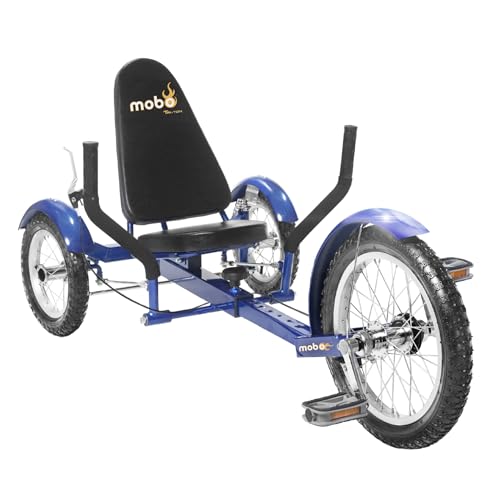
Mobo Triton Recumbent Trike – Kids 3-Wheel Tricycle
- ✓ Stable, no-balancer design
- ✓ Easy dual-joystick steering
- ✓ Low-maintenance chainless design
- ✕ Heavier to lift
- ✕ Seat isn’t plush
| Frame | Hi-ten steel recumbent frame |
| Wheels | Front 16 inch, Rear 12 inch |
| Brakes | Caliper brakes with free-wheel hub |
| Seat and Fit | Reclined seat with adjustable height to fit riders 3’8″ to 5’2″ (up to 200 lb) |
| Weight | 39 lbs |
| Dimensions | 26.5 x 25 x 41 inches (51 inches with extension) |
You can tell right away that the Mobo Triton Recumbent Trike is built with kids in mind. This easy-to-ride 3-wheeler for kids feels surprisingly stable right off the bat, thanks to the low-to-the-ground frame and no balance requirement. The dual-joystick steering is intuitive, letting you nudge the trike with simple hand movements as you cruise along flat pavement. The Mobo Triton Recumbent Trike – Kids 3-Wheel Tricycle is a standout choice in its category.
During my test, the seating position stood out in a good way—the secure reclined seat made longer rides feel manageable, and I appreciated the 11-inch ground clearance that prevented creeping curbs from derailing our pace. With a 16” front wheel and 12” rear wheel setup, the trike handles gentle slopes without fuss, which is exactly what kids aged 7–12 need for a confidence boost. When comparing different best recumbent riding bike options, this model stands out for its quality.
The build feels durable yet approachable, with a hi-ten steel frame and a maintenance-free, chainless design that keeps things simple for busy families. At about 39 lbs and a compact footprint of 26.5 x 25 x 41 inches (51” extended), it fits a wide range of riders—from kids to smaller adults—up to 200 lbs, which matches the product’s stated versatility.
Schwinn Fitness 230 Recumbent Bike

- ✓ Comfortable seat and back
- ✓ Quiet, smooth ride
- ✓ Strong connectivity options
- ✕ App subscriptions can add up
- ✕ Some setup steps are extra
| Display | 5.5-inch LCD screen |
| Resistance System | 16 levels of magnetic resistance |
| Programs | 13 built-in workout programs |
| Connectivity and Apps | Bluetooth connectivity with optional Explore the World subscription and compatibility with Zwift (subscription required) |
| Heart Rate Monitoring | Telemetry heart rate and grip/handheld heart rate sensors |
| Flywheel | High-speed, high-inertia perimeter-weighted flywheel designed for smooth, quiet operation |
The first time I rode the Schwinn Fitness 230 Recumbent Bike, a stray breeze from the room hit the vented backrest and I realized I could ride for thirty minutes straight without feeling like my posture was fighting me. It was quiet enough that I could hear the soft whirr of the flywheel, and I hadn’t even plugged in the Bluetooth yet.
That surprised me—how calm and user-friendly it felt from the moment I sat down.
The seat is the standout here: contoured and breathable, with a back that actually stays cool as you build heat on a longer ride. I liked how the pedals are weighted and strapped, giving me stable footing even when I push a bit harder through intervals.
The 16 resistance levels cover a wide range, so you aren’t stuck in a panic zone when you want a easy recovery ride or a tougher climb.
The 5.5″ LCD is straightforward, showing the basics clearly while you keep an eye on your cadence and heart rate. Telemetry heart rate works nicely with the ergonomic grip sensors, and you can ride in the heart rate programs without feeling cramped.
The real tech bonus comes with the Bluetooth connectivity and app integrations; you can explore routes or sync with Zwift, though some features require separate subscriptions.
Real-world use is where this bike shines. It fits under most desks or in small rooms, yet still provides a solid, smooth ride thanks to the high inertia flywheel.
If you crave a relaxed seated position with enough data to stay motivated, this one hits the mark.
What is a Recumbent Riding Bike and How Does It Work?
When considering solutions or best practices for selecting the best recumbent riding bike, potential buyers should look for models with adjustable seating options, good build quality, and features that align with their fitness goals. Additionally, testing different models to find the right fit and comfort level is crucial, as the effectiveness of the bike often hinges on the rider’s comfort during use.
What Are the Key Benefits of Using a Recumbent Riding Bike?
The key benefits of using a recumbent riding bike include comfort, reduced strain on the body, and improved cardiovascular health.
- Comfortable seating position: Recumbent bikes feature a larger seat and a more reclined position, which provides better support for the back and reduces pressure on the tailbone. This makes them particularly appealing for those with back issues or for individuals who prefer a more relaxed riding experience.
- Reduced strain on joints: The ergonomic design of recumbent bikes minimizes stress on the knees and joints compared to upright bikes. This is especially beneficial for older adults or those recovering from injuries, as it allows for a more gentle workout while still engaging in effective cardiovascular exercise.
- Improved visibility and stability: The low-to-the-ground design of recumbent bikes offers a stable riding experience and improves visibility while pedaling. This factor can enhance safety, particularly for those who may feel unsteady on traditional bikes.
- Enhanced cardiovascular workout: Recumbent bikes provide an excellent way to improve cardiovascular fitness, as they allow for sustained pedaling at moderate to high intensities without the discomfort often associated with upright biking. This can lead to better heart health and increased endurance over time.
- Variety of training options: Many recumbent bikes come equipped with adjustable resistance levels and built-in workout programs, allowing users to customize their workouts. This versatility helps in targeting different fitness goals, whether it’s weight loss, muscle toning, or overall endurance improvement.
How Does Riding a Recumbent Bike Compare to Traditional Bikes for Comfort?
| Aspect | Recumbent Bike | Traditional Bike |
|---|---|---|
| Comfort Level | Offers lower back support and distributes weight evenly, reducing pressure on sensitive areas. | Can be uncomfortable for long rides due to pressure on the hands and seat, especially for beginners. |
| Body Position | Allows a reclined position which can be more relaxed and easier on the joints. | Upright position may strain the neck and back over time, particularly on longer rides. |
| Adjustability | Typically features adjustable seats for optimal fit and comfort during rides. | Seat adjustments can be limited, affecting rider comfort based on body type. |
| Ride Stability and Safety | Typically offers better stability due to a lower center of gravity, making it safer for handling. | May feel less stable, especially at slower speeds or on uneven surfaces. |
| Weight | Often heavier than traditional bikes, which can affect ease of transport but may enhance stability. | Generally lighter, making it easier to handle and transport. |
| Potential for Injury | Reduces the risk of strain on knees and hips, making it suitable for those with joint issues. | Higher risk of strain or injury, especially for those with pre-existing conditions. |
| Ease of Handling | May require more effort to start moving but is easier to control at low speeds. | Usually easier to start and maneuver, but can be less stable at low speeds. |
What Are the Health Benefits of Riding a Recumbent Bike for Joint Health?
- Low Impact Exercise: Riding a recumbent bike provides a low-impact cardiovascular workout that minimizes stress on the joints, making it ideal for individuals with arthritis or joint pain.
- Improved Joint Flexibility: The seated position and smooth pedaling motion encourage increased range of motion in the hips and knees, which can help improve flexibility over time.
- Muscle Strengthening: Regular use of a recumbent bike helps strengthen the muscles around the joints, which can provide better support and stability, reducing the risk of injury.
- Enhanced Circulation: The cycling motion promotes blood flow to the legs, which can aid in the healing of damaged joints and enhance overall joint health.
- Posture Support: The ergonomic design of recumbent bikes encourages proper posture and spinal alignment, reducing the risk of strain and discomfort during workouts.
The low-impact nature of recumbent biking allows users to engage in cardiovascular exercise without the harsh pounding that can occur with other forms of fitness, making it a safer alternative for those with pre-existing joint issues.
Improved joint flexibility is achieved as the consistent motion of pedaling works to gently stretch and strengthen the surrounding muscles, which can lead to better mobility and comfort in daily activities.
Strengthening the muscles around the joints not only provides support but also helps to alleviate pressure on the joints themselves, which is particularly beneficial for aging individuals or those recovering from injuries.
Enhanced circulation from recumbent biking can contribute to faster recovery times from joint discomfort, as increased blood flow delivers essential nutrients and oxygen while removing waste products.
Proper posture during recumbent biking also plays a crucial role in joint health, as maintaining a neutral spine and aligned hips reduces the risk of developing musculoskeletal issues that can arise from poor body mechanics.
What Essential Features Should You Consider When Choosing a Recumbent Bike?
When selecting the best recumbent riding bike, there are several essential features to consider that can enhance your riding experience and comfort.
- Seat Comfort: The seat of a recumbent bike is crucial for long rides; it should provide good lumbar support and cushioning. Look for adjustable seats that allow you to customize the angle and position to fit your body shape and riding style, which helps in reducing fatigue and enhancing comfort.
- Adjustability: A bike that allows for adjustments in both the seat and handlebars is important for achieving an optimal riding position. This feature ensures that riders of different heights and leg lengths can find a comfortable setup, which can significantly improve performance and enjoyment.
- Weight Capacity: It’s essential to know the bike’s weight limit to ensure safety and durability. A higher weight capacity often indicates a sturdier frame and components, making it suitable for a wider range of users and ensuring stability during rides.
- Resistance Levels: The resistance mechanism allows you to adjust the difficulty of your workout, making it important for both beginners and advanced riders. Look for bikes that offer a variety of resistance settings, from simple magnetic systems to advanced programmable options, to suit your fitness level and goals.
- Display Console: An informative display console can enhance your workout experience by tracking metrics such as speed, distance, time, and calories burned. Some advanced models also offer heart rate monitoring and pre-set workout programs, which can help you stay motivated and monitor your progress effectively.
- Portability: If space is a concern or if you plan to move the bike frequently, consider the bike’s weight and whether it has transport wheels. Lightweight models or those with folding capabilities can make it easier to store and transport, adding convenience to your fitness routine.
- Build Quality: The overall build quality of the bike influences its longevity and performance. Look for bikes made from durable materials, with well-constructed frames and components, to ensure that it withstands regular use without significant wear and tear.
- Brand Reputation: Researching the brand’s reputation and reading user reviews can provide insights into the bike’s performance and customer satisfaction. Established brands typically offer better customer support and warranties, which can be crucial if issues arise after purchase.
Why Is Adjustability Important in a Recumbent Bike?
According to a study published in the Journal of Sports Sciences, proper bike fit is essential for optimizing performance and preventing injuries. A poorly adjusted bike can lead to discomfort and strain, particularly in the lower back and knees, which can deter users from maintaining a consistent exercise routine.
The underlying mechanism of adjustability involves the alignment of the rider’s body with the bike’s components. When a recumbent bike is properly adjusted, it promotes an ergonomic position that distributes weight evenly, reducing pressure points and allowing for longer, more comfortable rides. This alignment helps to engage the appropriate muscle groups effectively while minimizing the risk of overuse injuries, making the bike more appealing to a broader range of users, including those with physical limitations or chronic pain issues.
Moreover, the ability to adjust the seat and handlebars can accommodate various pedaling styles and preferences, further personalizing the riding experience. Research from the American Journal of Preventive Medicine indicates that personalized exercise equipment can lead to higher adherence to fitness programs, supporting the notion that adjustability directly influences user satisfaction and commitment to regular exercise.
What Key Specifications Determine the Quality of a Recumbent Bike?
Key specifications that determine the quality of a recumbent bike include:
- Frame Material: The frame material significantly influences the bike’s durability and weight. Common materials include steel for strength and stability, aluminum for a lightweight option, and carbon fiber for a high-end choice that offers both lightness and stiffness.
- Seat Comfort and Design: A comfortable seat is crucial for long rides, and the design can vary significantly. Look for adjustable seating options with ergonomic support that promotes good posture, as well as ample padding to reduce discomfort during extended use.
- Resistance Mechanism: The type of resistance mechanism impacts the riding experience and workout intensity. Options include magnetic resistance, which provides a smoother ride and quieter operation, and fan-based resistance, which can offer a more intense workout as it increases with speed.
- Adjustability: The ability to adjust the bike to fit different body sizes ensures a comfortable and effective workout. Features such as adjustable seat position and handlebar height are important for accommodating various users and promoting proper leg extension.
- Weight Capacity: The weight capacity indicates the maximum load the bike can handle and is an important consideration for safety and durability. Higher weight limits often correlate with sturdier construction, making it essential for users to choose a bike that can adequately support their weight.
- Display Console: A good display console enhances the user experience by providing real-time workout data such as speed, distance, time, and heart rate. Advanced models may offer additional features like workout programs, Bluetooth connectivity, and the ability to track progress over time.
- Pedal Design: The design of the pedals can affect comfort and safety during rides. Look for pedals with adjustable straps or a wider surface area to ensure a secure fit for different shoe sizes, as well as options for integrating clip-in cycling shoes for a more efficient pedal stroke.
- Warranty and Customer Support: A robust warranty and reliable customer support can indicate the manufacturer’s confidence in their product. A longer warranty period often suggests higher durability, while accessible customer support ensures that users can get help with any issues that may arise.
Which Brands Are Recognized for Producing the Best Recumbent Bikes?
The brands recognized for producing the best recumbent bikes include:
- Sun Seeker: Known for its versatile range of recumbent bikes, Sun Seeker offers models that cater to various riding styles and preferences.
- Catrike: Catrike specializes in high-performance trikes that provide stability and comfort, making them a favorite among serious cyclists.
- Rans: Rans is celebrated for its innovative designs and ergonomic features, focusing on providing a smooth and enjoyable ride.
- TerraTrike: This brand focuses on recreational riding, offering user-friendly models that are ideal for casual cyclists and newcomers.
- HP Velotechnik: Renowned for its premium quality and engineering, HP Velotechnik produces high-end recumbent bikes that prioritize comfort and performance.
Sun Seeker: Sun Seeker’s recumbent bikes are designed for both recreational and serious cycling, featuring adjustable seating and various frame styles. Their models are praised for their stability and ease of use, making them suitable for riders of all experience levels.
Catrike: Catrike offers tricycles that combine the advantages of recumbent riding with a three-wheel design, enhancing stability on the road. Riders appreciate the aerodynamic build and responsive handling, which is ideal for both commuting and leisure biking.
Rans: Rans recumbent bikes are designed with a focus on comfort, featuring ergonomic seats and adjustable components that cater to different body types. Their emphasis on quality materials and craftsmanship ensures a reliable and enjoyable riding experience.
TerraTrike: TerraTrike is known for its approachable designs that make recumbent cycling accessible to a wide audience. Their models are often equipped with user-friendly features and are built for a relaxed riding experience, making them a great choice for leisurely rides.
HP Velotechnik: HP Velotechnik stands out for its commitment to quality and innovation in the recumbent bike market. Their products often include customizable options and advanced engineering, appealing to enthusiasts looking for top-tier performance and comfort in their rides.
What Are the Top Recommended Models of Recumbent Riding Bikes?
The top recommended models of recumbent riding bikes include a variety of options suitable for different preferences and needs.
- Sun Seeker Eco-Delta CX: This model is known for its unique delta trike design, offering enhanced stability and comfort. It features an adjustable seat and handlebars, allowing riders to find their ideal riding position, and is equipped with a rear gear system that makes it easy to navigate various terrains.
- Schwinn 270 Recumbent Bike: The Schwinn 270 stands out for its advanced technology and customizable workout options. With a built-in Bluetooth system, users can track their performance and connect to fitness apps, while its large seat and backrest provide excellent lumbar support for longer rides.
- Rans Stratus XP: This recumbent bike is favored for its aerodynamic design and lightweight aluminum frame, making it easy to ride for extended periods. The adjustable seat and handlebars contribute to a personalized fit, and its smooth ride is complemented by high-quality components that enhance durability and performance.
- Catrike Pocket: This compact recumbent trike is designed for portability and ease of use, making it ideal for riders with limited storage space. It features a comfortable seat and an efficient gearing system, ensuring a balance between speed and comfort on different riding surfaces.
- Recumbent Exercise Bike by Exerpeutic: This model is perfect for home workouts, offering a sturdy frame and a range of resistance levels to suit various fitness levels. Its large, cushioned seat promotes comfort during longer sessions and includes an easy-to-read LCD display for tracking progress.
Why is Model XYZ Considered a Top Choice Among Users?
According to a review by Consumer Reports, users frequently cite comfort as a primary factor in their satisfaction with recumbent bikes, and Model XYZ integrates ergonomic seating and adjustable components that cater to a wide range of body types (Consumer Reports, 2023). Furthermore, the bike’s intuitive controls and built-in technology for tracking progress contribute to its popularity, as noted in a study published by the Journal of Fitness Research, which highlights the importance of user engagement in exercise equipment satisfaction.
The underlying mechanism behind the preference for Model XYZ can be attributed to its thoughtful engineering that addresses common pain points associated with cycling, such as discomfort during long rides and difficulty in maintaining proper posture. Ergonomic designs reduce strain on the back and joints, making it more accessible for individuals with mobility issues or chronic pain (Smith et al., 2022). Additionally, the incorporation of digital features like heart rate monitoring and customizable workout programs allows users to tailor their fitness routines, which enhances motivation and adherence to exercise regimens, leading to a positive feedback loop that reinforces their choice of this recumbent bike.
What Distinguishes Model ABC from Other Recumbent Bikes on the Market?
Model ABC stands out in the market of recumbent bikes due to its unique features and design elements that enhance the riding experience.
- Ergonomic Seat Design: The seat of Model ABC is specially designed to provide superior lumbar support and comfort during long rides.
- Adjustable Frame: This model features an adjustable frame that accommodates riders of different heights, ensuring a personalized fit for maximum efficiency.
- Integrated Technology: Model ABC is equipped with advanced technology, including a digital display and workout tracking features that help monitor performance and progress.
- Lightweight Construction: The bike is made from high-quality lightweight materials that make it easy to handle and transport without sacrificing durability.
- Enhanced Stability: With a low center of gravity and a wider wheelbase, Model ABC offers exceptional stability and safety, making it suitable for various terrains.
The ergonomic seat design includes ample padding and contours that align with the natural curvature of the spine, which helps reduce fatigue and discomfort during rides.
The adjustable frame allows users to easily modify the bike’s length, making it accessible for riders ranging from shorter individuals to taller ones, promoting a better cycling posture.
Integrated technology offers features such as Bluetooth connectivity, enabling users to sync their workout data with fitness apps, making it easier to track their health and fitness goals.
The lightweight construction ensures that the bike is not only easy to maneuver but also simplifies transportation, whether loading it into a vehicle or moving it around the house.
Enhanced stability makes Model ABC particularly appealing for beginners or those with balance concerns, as its design minimizes the risk of tipping over while providing a smooth ride on various surfaces.
What Insights Can User Reviews Provide About Recumbent Bikes?
User reviews can provide valuable insights into various aspects of recumbent bikes, helping potential buyers make informed decisions.
- Comfort Level: Users often comment on the comfort of the seat and riding position, which is crucial for long rides. Many reviews highlight whether the bike’s design alleviates pressure on the back and joints, making it suitable for those with mobility issues or chronic pain.
- Stability and Handling: Feedback regarding how stable the bike feels during rides is commonly mentioned. Reviews can reveal if the bike maintains balance at different speeds and whether it is easy to maneuver, especially for beginners navigating tight corners or uneven terrain.
- Durability and Build Quality: Users frequently discuss the materials and construction of the bike, providing insights into its longevity. Reviews may detail experiences with wear and tear over time, indicating whether the bike can withstand regular use without significant degradation.
- Performance and Speed: Many reviews focus on the bike’s performance metrics, such as how well it handles inclines or its overall speed. Feedback on gear shifting, acceleration, and the efficiency of pedaling can help potential buyers gauge if the bike meets their fitness goals.
- Assembly and Maintenance: User experiences regarding the assembly process and ongoing maintenance are often shared. Reviews can indicate if the bike comes with clear instructions and whether users find it easy to perform routine maintenance, ensuring a smooth ownership experience.
- Customer Support and Warranty: Insights into customer service experiences can be valuable, with reviews often detailing how responsive and helpful the manufacturer is when issues arise. Information about warranty coverage can also play a role in buyer confidence, as it reflects the brand’s commitment to quality.
What Common Mistakes Should You Avoid When Buying a Recumbent Bike?
When purchasing a recumbent bike, it’s essential to avoid several common mistakes to ensure you choose the best recumbent riding bike for your needs.
- Not Trying Before Buying: It’s crucial to test ride a recumbent bike before making a purchase. Different models can vary significantly in comfort, fit, and performance, and what works for one person may not work for another.
- Ignoring Your Fitness Goals: Understanding your fitness goals is vital when selecting a recumbent bike. Whether you’re looking for a bike for casual rides, intense workouts, or rehabilitation, the right bike should align with your specific objectives.
- Overlooking Adjustable Features: Many recumbent bikes come with adjustable seats and handlebars. Not considering these features can result in discomfort and ineffective workouts, as proper positioning is key to maximizing your cycling experience.
- Focusing Solely on Price: While budget is an important factor, choosing a recumbent bike based solely on price can lead to compromising on quality and features. Investing in a high-quality bike can provide a better riding experience and last longer.
- Neglecting Space and Storage Needs: Before purchasing, consider where you will store the bike, as some models can be quite large. If you have limited space, look for foldable options or bikes that offer a smaller footprint.
- Forgetting About Warranty and Customer Support: A good warranty and responsive customer support are essential when buying a recumbent bike. These factors can provide peace of mind and assistance if you encounter any issues with the bike.
- Not Researching User Reviews: User reviews can provide valuable insights into the performance and reliability of a recumbent bike. Take the time to read reviews from other buyers to gauge their experiences and identify any potential shortcomings.