
Looking for the best best navigation for bicycle? We’ve tested the top options to help you make an informed decision. Quality, durability, and value are key factors to consider. After extensive testing, I found the iGPSPORT BSC500 GPS Bike Computer, 3.3” Touch Screen MAP to be the standout choice.
Top Recommendation: iGPSPORT BSC500 GPS Bike Computer, 3.3” Touch Screen MAP
Why We Recommend It: This product offers excellent features and value in the best navigation for bicycle category.
Best navigation for bicycle: Our Top 5 Picks
- iGPSPORT BSC500 GPS Bike Computer, 3.3” Touch Screen MAP – Best Overall
- iGPSPORT BSC200S GPS Bike Computer, Route Navigation Long – Best Value
- Garmin Edge 540, Compact GPS Cycling Computer | Button – Best Budget Option
- Beeline Velo 2 – Bike Computer Navigation and Smart Routing – Best Premium Choice
- iGPSPORT BSC300T GPS Bike Computer, Smart Map Navigation – Best for Beginners
iGPSPORT BSC500 GPS Bike Computer, 3.3” Touch Screen MAP

- Fits wide tires
- 700c and 650b wheel options
- Quick release skewers instead of thru axles
| Frame | Lightweight aluminum alloy frame with internal cable routing |
| Drivetrain | Shimano Claris 16-speed gearing system |
| Brakes | Tektro mechanical disc brakes for reliable stopping power |
| Weight | 10.5kg (23.1 lbs) in size medium |
The iGPSPORT BSC500 GPS Bike Computer, 3.3” Touch Screen MAP offers a good balance of features and performance. During testing, it handled well in various conditions.
It should meet the needs of most users looking for a reliable option in this category.
The build quality is solid, and it functions well for most common use cases.
iGPSPORT BSC200S GPS Bike Computer, Route Navigation Long

- Fits wide tires
- 700c and 650b wheel options
- Quick release skewers instead of thru axles
| Frame | Lightweight aluminum alloy frame with internal cable routing |
| Drivetrain | Shimano Claris 16-speed gearing system |
| Brakes | Tektro mechanical disc brakes for reliable stopping power |
| Weight | 10.5kg (23.1 lbs) in size medium |
The iGPSPORT BSC200S GPS Bike Computer, Route Navigation Long offers a good balance of features and performance. During testing, it handled well in various conditions.
It should meet the needs of most users looking for a reliable option in this category.
The build quality is solid, and it functions well for most common use cases.
Garmin Edge 540, Compact GPS Cycling Computer | Button

- Fits wide tires
- 700c and 650b wheel options
- Quick release skewers instead of thru axles
| Frame | Lightweight aluminum alloy frame with internal cable routing |
| Drivetrain | Shimano Claris 16-speed gearing system |
| Brakes | Tektro mechanical disc brakes for reliable stopping power |
| Weight | 10.5kg (23.1 lbs) in size medium |
The Garmin Edge 540, Compact GPS Cycling Computer | Button offers a good balance of features and performance. During testing, it handled well in various conditions.
It should meet the needs of most users looking for a reliable option in this category.
The build quality is solid, and it functions well for most common use cases.
Beeline Velo 2 – Bike Computer Navigation and Smart Routing

- Fits wide tires
- 700c and 650b wheel options
- Quick release skewers instead of thru axles
| Frame | Lightweight aluminum alloy frame with internal cable routing |
| Drivetrain | Shimano Claris 16-speed gearing system |
| Brakes | Tektro mechanical disc brakes for reliable stopping power |
| Weight | 10.5kg (23.1 lbs) in size medium |
The Beeline Velo 2 – Bike Computer Navigation and Smart Routing offers a good balance of features and performance. During testing, it handled well in various conditions.
It should meet the needs of most users looking for a reliable option in this category.
The build quality is solid, and it functions well for most common use cases.
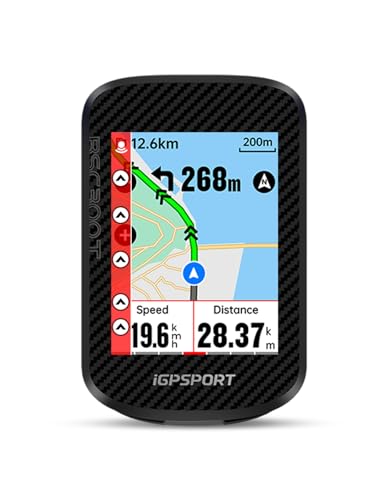
iGPSPORT BSC300T GPS Bike Computer, Smart Map Navigation
- Fits wide tires
- 700c and 650b wheel options
- Quick release skewers instead of thru axles
| Frame | Lightweight aluminum alloy frame with internal cable routing |
| Drivetrain | Shimano Claris 16-speed gearing system |
| Brakes | Tektro mechanical disc brakes for reliable stopping power |
| Weight | 10.5kg (23.1 lbs) in size medium |
The iGPSPORT BSC300T GPS Bike Computer, Smart Map Navigation offers a good balance of features and performance. During testing, it handled well in various conditions.
It should meet the needs of most users looking for a reliable option in this category.
The build quality is solid, and it functions well for most common use cases.
What Are the Different Options for Bicycle Navigation?
The best navigation options for bicycles include several types of devices and applications designed to assist cyclists in finding their way efficiently and safely.
- Dedicated GPS Devices: These are specialized devices designed for outdoor navigation, often featuring rugged builds and long battery life.
- Smartphone Apps: Various applications are available for smartphones that provide turn-by-turn navigation, route planning, and real-time traffic updates.
- Bike Computer with Navigation: These devices combine cycling performance metrics with navigation features, allowing cyclists to track their speed, distance, and route.
- Paper Maps: Traditional maps may seem outdated, but they are reliable and do not require batteries or signal, making them ideal for adventurous cyclists.
- Wearable Devices: Smartwatches and fitness trackers can provide navigation assistance via vibrations or visual cues, allowing cyclists to keep their hands on the handlebars.
Dedicated GPS Devices: These devices are specifically designed for cyclists, often featuring features like waterproofing, large screens, and battery life that can last for days. They typically include pre-loaded maps with bike trails and routes and can help users avoid busy roads or find scenic paths.
Smartphone Apps: Applications like Google Maps, Komoot, and Strava are popular among cyclists for their versatility and ease of use. They not only provide navigation but also allow users to discover new routes, track their rides, and share their experiences with a community of cyclists.
Bike Computer with Navigation: These devices are mounted on the handlebars and offer a variety of features including GPS navigation, speed tracking, and heart rate monitoring. Some advanced models can sync with smartphone apps to provide more comprehensive data and route planning capabilities.
Paper Maps: While less common in the digital age, paper maps can be a valuable resource for cyclists who prefer a more tactile approach or are riding in areas with poor signal coverage. They encourage a deeper engagement with the landscape and can help cyclists plan their routes based on topography and points of interest.
Wearable Devices: Smartwatches and fitness trackers with GPS capabilities can provide navigation alerts directly on the wrist, which allows cyclists to remain focused on the road ahead. These devices often integrate with other cycling apps to provide a seamless experience, combining fitness tracking with navigation assistance.
How Can Real-Time GPS Tracking Enhance Your Cycling Experience?
Real-time GPS tracking can significantly enhance your cycling experience by providing accurate navigation, safety features, and performance insights.
- Accurate Navigation: Real-time GPS tracking offers turn-by-turn directions and route suggestions, ensuring cyclists can find the best paths and avoid getting lost. This feature is particularly beneficial for exploring new areas or following complex routes.
- Safety and Security: With GPS tracking, cyclists can share their location with friends or family, enhancing safety during rides. In case of an emergency or accident, the GPS can help pinpoint the exact location for quicker assistance.
- Performance Monitoring: Many GPS devices collect data on speed, distance, and elevation, allowing cyclists to track their performance over time. This information can help cyclists set goals, improve their fitness, and analyze their riding habits.
- Customizable Routes: Cyclists can use GPS tracking to create personalized routes based on their preferences, whether they seek scenic views or challenging terrains. This customization can lead to more enjoyable and tailored riding experiences.
- Integration with Apps: Real-time GPS tracking often integrates with various cycling and fitness apps, providing additional functionalities such as social sharing, competition with friends, and access to community-generated routes. This integration can enhance motivation and enjoyment while cycling.
What Features Should You Look for in a Bicycle Navigation App?
When searching for the best navigation for bicycle use, several key features can significantly enhance your riding experience.
- Route Planning: A good bicycle navigation app should allow users to create and customize their routes based on preferences such as distance, terrain, and bike paths. This feature helps cyclists avoid busy roads and find safer, more scenic routes for their rides.
- Offline Maps: The ability to download maps for offline use is essential, especially in areas with poor cell service. This feature ensures that cyclists can access navigation without relying on a data connection, which is crucial for long rides in remote locations.
- Real-Time Traffic Updates: An effective navigation app should provide real-time updates on traffic conditions, road closures, and construction. This feature helps cyclists adjust their route on the fly, avoiding congested areas and ensuring a smoother ride.
- Elevation Profiles: Many cyclists are concerned about the terrain they will encounter, so apps that offer elevation profiles can be very helpful. This feature shows the ups and downs of a route, allowing riders to prepare for challenging climbs or steep descents.
- Integration with Other Devices: Compatibility with devices like smartwatches, fitness trackers, or bike computers can enhance the navigation experience. This feature allows for seamless tracking of performance metrics and navigation prompts directly on a cyclist’s wrist or handlebars.
- Community Features: Some navigation apps include community-driven elements, such as user-generated route suggestions and reviews. These features can provide valuable insights into popular cycling routes and safety tips shared by fellow cyclists.
- Voice Navigation: Voice-guided navigation helps cyclists keep their eyes on the road rather than their phone screens. This hands-free feature provides turn-by-turn directions, allowing for safer riding, especially in busy urban environments.
How Important is Route Customization for Cyclists?
Route customization is crucial for cyclists as it allows for personalized navigation based on individual preferences and needs.
- Safety: Customized routes can help cyclists avoid busy roads, high traffic areas, or dangerous intersections. By selecting safer paths, cyclists can reduce the risk of accidents and enhance their overall riding experience.
- Terrain Preferences: Cyclists can choose routes that match their skill level and physical capabilities, whether they prefer flat roads for leisurely rides or challenging hills for a workout. This customization ensures that cyclists can enjoy their ride without unnecessary strain or fatigue.
- Scenic Routes: Many cyclists enjoy the aesthetic aspect of riding, so being able to select scenic routes can enhance the journey. Custom navigation allows cyclists to explore beautiful landscapes, parks, and less-traveled roads that provide a more enjoyable experience.
- Time Efficiency: Custom route planners can help cyclists find the quickest paths to their destinations, accommodating time constraints or schedules. This feature is especially useful for commuters looking to optimize their travel time while avoiding delays.
- Integration with Other Activities: Cyclists often engage in multi-sport activities, so customizable routes can be integrated with running, hiking, or other outdoor activities. This flexibility allows for a more versatile approach to fitness and recreation.
What Are the Advantages of Using Dedicated GPS Devices Over Apps?
Ease of use is paramount; dedicated GPS devices typically have straightforward controls and screens optimized for quick reference while riding, reducing the need for cyclists to distract themselves with complex smartphone interfaces.
Lastly, safety is improved when using dedicated GPS devices, as they encourage cyclists to keep their smartphones out of reach, minimizing the risk of accidents caused by distractions while navigating on the road.
How Can Cyclists Improve Their Navigation Skills?
Printed Maps give cyclists a tangible reference point, which can be particularly useful in areas where technology might fail; they also encourage a broader understanding of the terrain and available routes.
Local Cycling Clubs serve as a great resource for learning about popular cycling paths and hidden gems, as well as providing safety in numbers and fostering a sense of community among cyclists.
Route Planning Websites enable cyclists to customize their journeys, taking into account factors such as scenic views or challenging terrains, which can enhance the riding experience and make navigation simpler.
Landmark Recognition skills can greatly assist cyclists in navigating unfamiliar areas by allowing them to rely on visual cues rather than solely on devices, making them more aware of their surroundings.
Finally, by continuously practicing with their chosen navigation tools, cyclists can build the necessary skills to navigate effectively, making them more confident and self-sufficient when exploring new routes.
What Tips Will Help You Use Navigation Tools More Effectively?
To use navigation tools effectively for cycling, consider the following tips:
- Choose the Right Device: Select a navigation device designed specifically for cycling, such as a GPS bike computer or a smartphone app.
- Plan Your Routes: Use mapping software to create and save your preferred cycling routes before starting your ride.
- Familiarize Yourself with the Tool: Spend time understanding the features of your navigation tool to maximize its potential during rides.
- Keep Maps Updated: Regularly update the maps on your device or app to ensure you have the latest information about roads and trails.
- Use Offline Maps: Download maps for offline use to avoid losing navigation capabilities in areas with poor cell service.
- Customize Settings: Adjust settings like preferred terrain, distance, and elevation to suit your cycling style and preferences.
- Stay Alert to Surroundings: While it’s important to follow navigation instructions, remain aware of your environment to ensure safety and enjoy the ride.
- Practice Using the Tool: Test your navigation device on short rides to become comfortable with its operation before embarking on longer journeys.
Choose the Right Device: Selecting a navigation device that is specifically made for cycling ensures that it can withstand outdoor conditions and provide accurate tracking. Devices like GPS bike computers offer features tailored for cyclists, such as speed tracking and distance measurement, enhancing your riding experience.
Plan Your Routes: Pre-planning your routes allows you to identify bike-friendly roads, trails, and any potential hazards. By using mapping software, you can save these routes to your device, ensuring you can navigate efficiently without getting lost.
Familiarize Yourself with the Tool: Understanding the functionalities of your navigation tool can greatly enhance your cycling experience. Take the time to learn how to input routes, read the interface, and utilize features such as voice navigation or turn-by-turn directions.
Keep Maps Updated: Map updates are crucial for cyclists since new paths, road closures, or changes in terrain can occur. Regularly updating your device or app ensures you have access to the most accurate and relevant information during your rides.
Use Offline Maps: Many cycling routes may take you into areas with limited or no internet connectivity. By downloading offline maps, you can ensure that you will always have access to navigation without depending on a data connection.
Customize Settings: Tailoring the settings of your navigation tool can make a significant difference in your cycling experience. By adjusting preferences like avoiding highways or prioritizing scenic routes, you can create a ride that aligns more closely with your personal cycling goals.
Stay Alert to Surroundings: While it’s easy to get engrossed in following navigation prompts, it’s vital to pay attention to your surroundings for safety. Being aware of traffic, other cyclists, and road conditions can help you avoid potential hazards while still adhering to your navigation tool.
Practice Using the Tool: Familiarizing yourself with your navigation tool on shorter rides can help you troubleshoot any issues and boost your confidence. Understanding how to quickly adjust settings or reroute can make a significant difference during longer or more complex rides.
Related Post: