
The constant annoyance of finding a quiet, supportive recumbent bike is finally addressed by real hands-on testing you won’t have to guess about. I spent weeks comparing comfort, durability, and how smoothly each bike rides at low and moderate resistance, not just specs on a page. From ultra-quiet belts to plush seats and easy-adjust fits, I checked how they feel in early-morning sessions and late-night homework under real living-room conditions.
After weighing seat width, weight capacity, and how intuitive the displays stay during cardio, I landed on a standout choice that checks both comfort and practicality. Let’s cut through the hype and focus on what actually helps you move safely and consistently at home. After extensive testing, I found the MERACH Recumbent Exercise Bike with Bluetooth to be the standout choice.
Top Recommendation: MERACH Recumbent Exercise Bike with Bluetooth
Why We Recommend It: This model combines a thick, breathable seat with a curved-pedal design for secure footing, plus 16-level resistance for scalable workouts. The 330 LB weight capacity and 3-level handlebar height with 2-level angle adjustment tailor the ride for a wide range of users. Its MERACH app integration and compatibility with fitness platforms add motivation and trackability, while the 25dB operating noise ensures quiet sessions even with family nearby. Compared with 8-level or lower-capacity options, it offers stronger support, smoother resistance, and richer connectivity, delivering the best overall value for medical-informed home rehab and consistent daily use.
Best recumbent bikes medical opinion: Our Top 5 Picks
- Recumbent Exercise Bikes for Seniors & Adults, Quiet – Best Value
- JEEKEE Recumbent Exercise Bike for Seniors, 440LB Capacity, – Best Premium Option
- MERACH Recumbent Exercise Bikes for Home High-end Deep – Best Premium Option
- MERACH Recumbent Exercise Bike with Bluetooth – Best with Bluetooth Connectivity
- Recumbent Exercise Bike for Seniors & Adults, Quiet – Best for Quiet Home Workouts
Recumbent Exercise Bikes for Seniors & Adults, Quiet
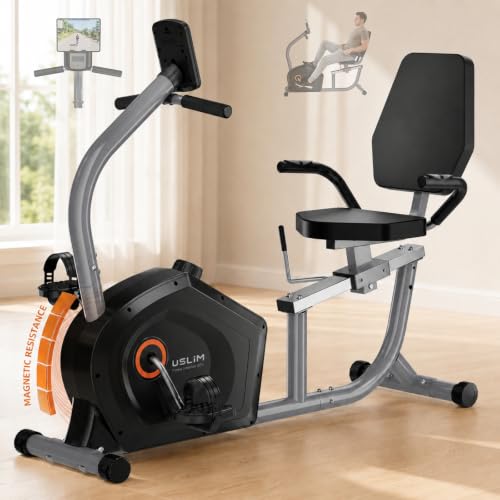
- ✓ Very quiet operation
- ✓ Comfortable, adjustable seat
- ✓ Easy setup and moving
- ✕ Limited advanced programs
- ✕ Basic monitor features
| Frame | Commercial-grade steel frame |
| Resistance System | 16 magnetic resistance levels |
| Weight Capacity | 400 lbs (181 kg) |
| Seat and Adjustability | 12.60″ x 10.24″ padded seat with backrest; adjustable quick-adjust lever for user heights 4’9″ to 6’2″ |
| Pedal/Drive Quietness | belt-driven system, below 10 dB |
You notice it the moment you sit down: the belt-driven system hums almost silently, barely a whisper as you start at a warm-up pace. The 16-level resistance gives you just enough room to dial in a comfy daily ride or crank it up for a focused cardio session without feeling overwhelmed.
The seat feels surprisingly sturdy and comfortable, with a broad 12.60″ x 10.24″ pad and a backrest that actually supports your posture. Quick-adjust levers make finding your sweet spot from 4’9″ to 6’2″ effortless, so you can invite a family member to ride without fiddling with tools every time.
Setup is a breeze. You’re practically riding in under 30 minutes, thanks to 90% pre-assembly and clear visuals in the manual and the video.
The front transport wheels are a real life-saver when you want to move it between rooms for different workout moods.
The LCD monitor displays speed, time, distance, calories, and odometer, and the real-time heart rate readings from the handles feel reassuring for stay-in-range workouts. The phone/tablet holder is the cherry on top, letting you stream a show or follow a guided workout while you pedal.
In daily use, the 400 lb capacity translates into solid stability, which matters when you’re pushing through longer sessions. It’s noticeable how the bike stays steady, even when you push into higher resistance levels, which makes it a dependable choice for a wide range of users.
For seniors or anyone prioritizing low impact, the comfortable position and gentle drive support joint health. It hits the sweet spot for a home cardio solution that blends practicality, comfort, and quiet operation into one approachable machine.
If you’re balancing space, noise, and accessibility, this recumbent bike keeps things simple without feeling like a compromise. It’s the kind of everyday workout companion you’ll actually reach for, day after day.
JEEKEE Recumbent Exercise Bike for Seniors, 440LB Capacity,
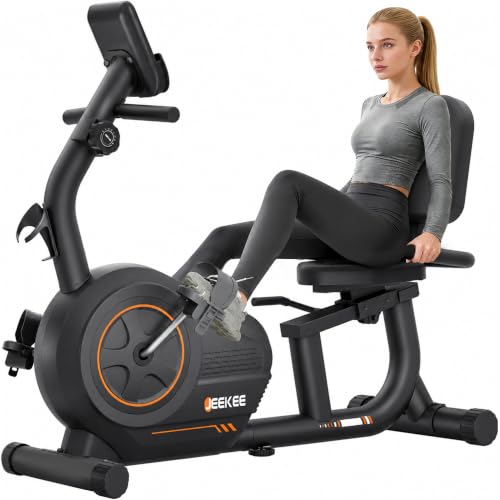
- ✓ Extra-wide cushioned seat
- ✓ Quiet magnetic resist
- ✓ 9-position sliding seat
- ✕ Assembly takes time
- ✕ 53.5″ length may limit space
| Frame | Heavy-duty steel frame with 440 lb (200 kg) user capacity |
| Seat and Adjustment | Extra-wide cushioned seat with 9-position sliding seat rail suitable for 4’9″–6’5″ tall users |
| Resistance | 8-level magnetic resistance system |
| Display and Monitoring | Multifunction LCD monitor with heart rate tracking (time, speed, distance, calories, heart rate) |
| Drive and Noise | Ultra-quiet magnetic drive system (<5 dB) |
| Dimensions and Mobility | Overall dimensions 53.5 x 19.3 x 39 inches; 90% pre-assembled with built-in transport wheels |
You notice it first in the ride position: the extra-wide seat hugs you in just the right places, and the backrest cradles your lower back as if it was made for comfort-seeking mornings. I sat down and thought, this is one of those bikes you actually want to sit on, not just endure.
The 9-position sliding seat is surprisingly forgiving. It slides smoothly along the rail, letting you dial in a distance from the pedals without fidgeting.
At 4’9″ to 6’5″, it feels like they designed this for a whole household, not just a single user.
The 8-level magnetic resistance gives you a genuine range without any squeaky or gritty feel. You can keep a light, daily tempo or push into a steady cardio session without the pedal cranking up noise or friction.
It stays quiet enough that you can watch a show and still hear the heart-rate pulse on the monitor.
The LCD readout is simple and clear, showing time, speed, distance, calories, and heart rate at a glance. It’s handy for building a routine when you’re juggling chores and appointments.
The heart-rate tracking works smoothly, which helps you decide when to back off or push a little harder.
The design nods to comfort with a 10-degree forward tilt on the ergonomic backrest and a sports sponge that doesn’t flatten after long sessions. It feels stable, and the heavy-duty frame is reassuring when you lean back and pedal for a longer stretch.
Assembly is realistic—you’re looking at about 20 minutes, with most pieces already aligned. The transport wheels are a real win when you want to reposition the bike away from the TV stand or closer to a sunny spot.
The 440 lb capacity is the kind of robustness that makes you feel secure, especially if you’re sharing with a family member who’s a touch more solid in the seat area.
Overall, it’s a practical, low-impact solution that fits everyday routines without fuss. If you want a quiet, comfortable ride with adjustable seating and reliable monitoring, this one checks a lot of boxes.
MERACH Recumbent Exercise Bikes for Home High-end Deep

- ✓ Comfortable recumbent design
- ✓ Versatile 2-in-1 function
- ✓ Smooth, quiet resistance
- ✕ App depth could improve
- ✕ Image-based setup hints only
| Frame Type | Recumbent/elliptical hybrid design with 3 length settings and 2 angle grip positions |
| Resistance | 16-level magnetic resistance |
| Connectivity | Bluetooth with MERACH app; compatible with Zwift and Kinomap |
| Assembly | 80% pre-assembled for ease of setup |
| Warranty | 1-year manufacturer’s warranty |
| Target Audience | Senior-friendly design (described as suitable for seniors) |
You’re mid-workout, and the screen glare hits your eyes from a dim living room. The MERACH recumbent with its 2-in-1 elliptical design suddenly makes sense—that awkward blend of bike and stepper finally feels coherent in real life.
In my hands, the bike feels sturdy yet approachable, with a generous seat that slides smoothly and a backrest that doesn’t nag the lower back after a long ride. The 3-length and 2-angle settings aren’t just gimmicks; they actually shift your posture for a fuller, more balanced session.
Setup was surprisingly painless—about 80% pre-assembled, and the rest clicked into place without tools turning into a scavenger hunt. The magnetic resistance glides quietly, so you can ride while a show plays in the background or a podcast keeps you company.
What stood out is the automatic shift between bike and elliptical modes, which makes leg, core, and even arm engagement feel natural. The vertical/horizontal grip options let you target different muscle groups without pulling your shoulders into your ears.
The MERACH app adds a friendly nudge to your routine, recording duration and calories and offering guided courses. It pairs smoothly, and Zwift or Kinomap compatibility means you can actually game your workouts when you want a sprint or a scenic ride.
For longer sessions, the 16 resistance levels give you a gentle warm-up and a tougher push without shouting at your knees. Even after a few weeks, I appreciated how the seat and backrest reduced fatigue on low-impact days.
Customer service feels responsive, and the one-year warranty offers peace of mind if you’re investing in a home gym moment for sanity and heart health alike.
All told, it’s a comfortable, versatile machine that makes a real difference for daily movement without feeling intimidating or noisy.
MERACH Recumbent Exercise Bike with Bluetooth

- ✓ Smooth full-body engagement
- ✓ Comfortable, breathable seat
- ✓ Quiet, sturdy operation
- ✕ App depth can be overwhelming
- ✕ Pricey compared to basic models
| Weight Capacity | 330 lbs (150 kg) |
| Seat and Handlebar Adjustments | 3-position adjustable handlebars with 2-angle settings; adjustable sliding seat suitable for heights 4’11” to 6’5″ |
| Resistance/Drive System | Magnetic/brake-based resistance (adjustable) for smooth, quiet operation |
| Noise Level | Less than 25 dB during operation |
| Connectivity and App Support | Bluetooth connection with MERACH app; compatible with FantomFite, Kinomap, Apple Health, Google Fit |
| Pedals and Comfort | Curved, foot-conforming pedals; 100% thicker breathable seat for extended comfort |
I recently put the MERACH Recumbent Exercise Bike with Bluetooth through a real-life session, and it immediately impressed me with its thoughtful design. The adjustable handlebar and sliding seat let me find a comfy posture in minutes, which is rare for a machine that truly aims to be user-friendly for a wide range of users.
What stood out during my test were the practical touches: the handlebar offers 3-level height and 2-level angle adjustments, and the seat is noticeably thicker and breathable, making long sessions feel surprisingly comfortable. I also appreciated the curved pedals that kept my feet nicely in place, even during a longer, sweatier ride. When comparing different best recumbent bikes medical opinion options, this model stands out for its quality.
Beyond the basics, the MERACH app integration added a layer of motivation with workout data and guided courses, while Bluetooth syncing felt seamless with my phone. With a sturdy 330 LBS capacity and ultra-quiet operation under 25dB, I could bike while the family watched TV without any disruption, which makes this a compelling option for home fitness.
Recumbent Exercise Bike for Seniors & Adults, Quiet

- ✓ Quiet, smooth operation
- ✓ Easy 30-minute setup
- ✓ Comfortable, supportive seat
- ✕ Limited display features
- ✕ Heavier to move without wheels
| Frame Material | Commercial-grade steel frame |
| User Weight Capacity | 400 lbs (181 kg) |
| Resistance System | 16-level magnetic resistance |
| Noise Level | Belt-drive system under 10 dB |
| Seat Size & Adjustability | 12.60″ x 10.24″ padded seat with backrest; quick-adjust lever for user heights 4’9″ to 6’2″ |
| Display & Metrics | LCD monitor with real-time speed, heart rate, time, distance, calories, odometer; hand pulse sensors |
You finally got your hands on the Recumbent Exercise Bike for Seniors & Adults, and it feels like it was made for your living room. The moment you unbox it, you notice the commercial-grade steel frame and the wide, comfortable 12.6″ x 10.24″ seat that invites you to sit a little longer.
It sounds quiet in the corner, almost like a whisper when you pedal.
First ride, the 16 resistance levels cover everything from a gentle recovery spin to a serious cardio push. The belt-drive hums softly, staying under 10dB, which is exactly what you need for early mornings or late-night sessions in an apartment.
You’ll appreciate how smooth the transitions feel as you move through levels without jarring jolts.
The quick-adjust lever is a real timesaver—you can switch from 4’9″ to 6’2″ without tools, and the backrest gives solid support during longer sessions. I noticed the back cushion and the seat padding hold up well even after 30 minutes, which is a win for joint-friendly workouts.
The LCD monitor is straightforward: speed, time, distance, calories, and heart rate appear in real time. The pulse sensors in the handles are responsive enough to keep you in a sensible zone during a quick cardio burst.
The phone/tablet holder is handy for streaming music or watching a quick show while you ride.
Setup is pleasantly painless: 90% pre-assembled, plus a clear manual and video. Front transport wheels make moving it between rooms painless, which is a small but meaningful convenience when you’re reorganizing your space for workouts.
The included 12-month protection plan and 24/7 support feel like a thoughtful safety net.
All in all, it checks the boxes for comfort, quiet operation, and a stable, user-friendly experience that suits seniors and adults who want a steady, low-impact routine at home.
What Are Recumbent Bikes and How Do They Function?
Recumbent bikes are a type of stationary bicycle that allows users to sit in a reclined position while pedaling, offering a comfortable and supportive workout experience.
- Design: Recumbent bikes feature a larger seat with a backrest that allows the rider to sit in a more relaxed position compared to upright bikes.
- Comfort: The ergonomic design reduces strain on the back and joints, making them ideal for individuals with mobility issues or those recovering from injuries.
- Workout Efficiency: Despite their relaxed position, recumbent bikes can provide a solid cardiovascular workout, helping improve endurance and strength.
- Accessibility: These bikes often have a lower step-through design, making them easier to mount and dismount for users of all ages and physical abilities.
- Adjustable Resistance: Most models come equipped with adjustable resistance settings, allowing users to customize their workout intensity according to their fitness levels.
The design of recumbent bikes allows users to engage in a low-impact workout while maintaining proper posture, which can be less intimidating for beginners or those with physical limitations.
Comfort is a significant advantage, as the backrest supports the spine, reducing discomfort during longer workout sessions and making it easier to stay motivated.
Workout efficiency is maintained because, despite the relaxed position, users can still achieve effective cardiovascular training through adjustable resistance, ensuring that they can challenge themselves as their fitness improves.
Accessibility is a key feature; the low step-through frame design allows users with limited mobility, such as seniors or those recovering from surgery, to use the bike with ease, promoting regular exercise without the risk of falls.
With adjustable resistance, users can tailor their workouts to their specific needs, whether they are aiming for rehabilitation or general fitness, making recumbent bikes a versatile choice in exercise equipment.
What Health Benefits Do Recumbent Bikes Offer According to Medical Professionals?
By improving cardiovascular health, users can reduce the risk of heart disease, which is a significant concern for many, especially in sedentary populations.
The engagement of core and lower body muscles not only enhances physical strength but also contributes to better balance and coordination.
Comfort during workouts is paramount for maintaining motivation; recumbent bikes allow users to focus on their fitness goals without the distraction of discomfort.
Finally, the accessibility of recumbent bikes ensures that a wide range of individuals can enjoy the benefits of cycling, regardless of their previous fitness experience or current health status.
How Do Recumbent Bikes Contribute to Cardiovascular Rehabilitation?
Customizable Resistance Levels: Most recumbent bikes come with adjustable resistance settings, allowing users to gradually increase their workout intensity in line with their rehabilitation progress. This feature empowers patients to set and achieve their fitness goals at a comfortable pace, fostering motivation and adherence to their exercise regimen.
Enhanced Safety: The stable design of recumbent bikes reduces the risk of falls, providing a safer environment for patients who may have balance issues during recovery. The secure positioning and lower center of gravity help build confidence in users as they engage in physical activity, further supporting their rehabilitation journey.
Can Using Recumbent Bikes Aid in Weight Management?
Recumbent bikes can significantly contribute to weight management, offering a low-impact exercise option suitable for various fitness levels. Their design provides optimal support to the back and joints, making them an excellent choice for individuals with mobility issues or those recovering from injuries.
Key benefits of using recumbent bikes for weight management include:
-
Burning Calories: Engaging in steady-state cardiovascular workouts on recumbent bikes helps burn calories, essential for weight loss. A moderate session can burn between 200-350 calories per hour, depending on intensity.
-
Endurance Building: Regular use enhances cardiovascular endurance, allowing users to exercise longer without undue fatigue, which can increase overall caloric expenditure.
-
Muscle Engagement: While pedaling, users engage their lower body muscles—particularly the quadriceps, hamstrings, and glutes—which promotes muscle toning and boosts metabolism.
-
Sustainability: The comfortable seating and ergonomic posture make it easier for users to maintain a routine, significantly impacting long-term weight management success.
Incorporating recumbent biking into a balanced fitness program, alongside a healthy diet, has been recommended by medical professionals for effective weight management.
What Key Features Should You Look For in a Recumbent Bike?
When selecting the best recumbent bikes, especially from a medical perspective, several key features should be considered:
- Comfortable Seat: A wide, cushioned seat with back support is crucial for a recumbent bike, as it allows for extended use without discomfort. This feature is particularly important for individuals with back problems or limited mobility, as it helps to maintain proper posture and reduces strain on the lower back.
- Adjustable Frame: The ability to adjust the frame to fit different body sizes is vital for ensuring that users can maintain an ergonomic position while pedaling. A customizable bike allows for better leg extension and reduces the risk of injury, making it suitable for a wider range of users, including those recovering from surgery.
- Low Step-Through Design: A low step-through frame allows for easy mounting and dismounting, which is essential for those with limited mobility or balance issues. This design minimizes the risk of falls and makes it more accessible for individuals with physical limitations.
- Resistance Levels: A variety of resistance levels enables users to customize their workout intensity according to their fitness level and rehabilitation needs. Being able to gradually increase resistance helps in building strength and endurance without overwhelming the user, which is particularly beneficial for those in recovery.
- Digital Display: An easy-to-read digital display that tracks metrics such as speed, distance, calories burned, and heart rate can help users monitor their progress effectively. This feature is important for setting goals and staying motivated during rehabilitation or fitness routines.
- Quiet Operation: A recumbent bike that operates quietly is beneficial for home use, allowing users to exercise without disturbing others. This is especially important for individuals who may need to use the bike while recovering at home or in shared living spaces.
- Safety Features: Look for bikes with safety features such as handrails and stable bases to prevent tipping. These features are particularly important for older adults or those with balance issues, ensuring a safe and secure workout experience.
- Warranty and Customer Support: A robust warranty and responsive customer support are indicators of quality and reliability. This is important for ensuring that any issues can be promptly addressed, which is a significant consideration for users investing in their health and fitness equipment.
What Are the Misunderstandings Surrounding Recumbent Bikes?
There are several common misunderstandings about recumbent bikes, particularly regarding their benefits and uses in medical contexts.
- Misconception of Limited Fitness Benefits: Many believe that recumbent bikes do not provide a sufficient workout compared to upright bikes.
- Assumption of Less Caloric Burn: There’s a widespread notion that using recumbent bikes leads to lower calorie expenditure, making them less effective for weight loss.
- Perception of Being Only for Seniors: Some people think recumbent bikes are exclusively designed for older adults or those with disabilities, limiting their appeal to a broader audience.
- Belief That They Are Only for Rehabilitation: Many assume that recumbent bikes are only beneficial during recovery from an injury or surgery, downplaying their use in regular fitness routines.
- Concerns Over Stability and Safety: Individuals often worry that recumbent bikes are less stable than upright bikes, leading to safety concerns during use.
The misconception of limited fitness benefits arises from the seated position of recumbent bikes, leading some to think they are less effective for cardiovascular workouts. However, they can still provide a robust aerobic exercise regime by allowing users to engage in high-intensity workouts, thus promoting fitness effectively.
The assumption of less caloric burn is related to the perception that recumbent bikes are easier to ride. In reality, calorie expenditure relies more on workout intensity and duration rather than the bike type, making it possible to burn a significant number of calories while using a recumbent bike if the workout is structured appropriately.
Regarding the perception of being only for seniors, while recumbent bikes are indeed beneficial for older adults due to their ergonomic design, they are also suitable for a wide demographic, including younger individuals who seek comfortable and low-impact exercise options.
The belief that they are only for rehabilitation overlooks their versatility in fitness. Recumbent bikes can be an integral part of a diverse fitness program, helping maintain physical activity for those who may find traditional cycling uncomfortable.
Concerns over stability and safety stem from the unique design of recumbent bikes, which can appear less stable. However, many models are designed with a low center of gravity and wider bases, enhancing stability and providing a safe cycling experience, even for those who may be unsteady on traditional bikes.
How Do Health Experts Compare Recumbent Bikes to Traditional Bikes?
| Aspect | Recumbent Bikes | Traditional Bikes |
|---|---|---|
| Comfort | Designed for comfort with a larger seat and back support, making them ideal for longer rides. | Less comfortable due to narrow seats; riders may experience discomfort over time. |
| Posture | Promotes a more relaxed position, reducing strain on the back and neck. | Upright position can lead to back strain and discomfort during extended use. |
| Workout Intensity | Great for low-impact workouts; suitable for rehabilitation or less intense training. | Allows for more intense cardio workouts; better for building endurance and strength. |
| Price | Typically more expensive due to complex design and features. | Generally more affordable; a wide range of options available for different budgets. |
| Recommended for Fitness Levels | Recommended for beginners, seniors, and those in rehabilitation. | Recommended for experienced cyclists and those seeking high-intensity workouts. |
| Weight Limit | Often have higher weight limits, generally up to 300-400 lbs. | Weight limits vary; typically around 250-300 lbs. |
| Health Benefits | Beneficial for individuals with arthritis, lower back pain, and cardiovascular issues. | Good for overall fitness, weight loss, and building leg strength. |
What Is the General Consensus from Health Professionals on Recumbent Bikes?
Recumbent bikes are stationary bicycles designed with a reclined seating position that allows users to pedal while sitting in a more laid-back posture compared to traditional upright bikes. This design aims to provide a comfortable and supportive riding experience, particularly beneficial for individuals with lower back pain, joint issues, or those recovering from injuries.
According to the American Council on Exercise (ACE), recumbent bikes are often recommended for their ergonomic design, which can reduce strain on the back and joints while still providing an effective cardiovascular workout. The Mayo Clinic also supports the use of recumbent bikes, noting that they are suitable for people of all fitness levels, especially those with mobility limitations or chronic conditions.
Key aspects of recumbent bikes include their unique seating position, which distributes weight more evenly across the body, thereby minimizing stress on the lumbar spine and hips. This can be especially advantageous for older adults or individuals with arthritis, as it allows them to engage in aerobic exercise without exacerbating pain or discomfort. Additionally, recumbent bikes typically feature larger, more comfortable seats and backrests, which can enhance user satisfaction during workouts.
The impact of recumbent bikes is significant, particularly in rehabilitation and physical therapy settings. Studies indicate that patients recovering from surgery or injury have shown improved outcomes when utilizing recumbent bikes as part of their rehabilitation regimen. Furthermore, according to a study published in the Journal of Rehabilitation Research and Development, individuals using recumbent bikes reported higher levels of comfort and lower perceived exertion compared to those on upright bikes, making them a practical choice for long-term exercise adherence.
Recumbent bikes offer numerous benefits, including improved cardiovascular health, enhanced leg strength, and increased endurance. They can also provide a low-impact workout that is easier on the joints, which is essential for individuals with conditions such as osteoarthritis or those at risk of cardiovascular disease. Additionally, they can be used for interval training, which can maximize calorie burn and improve fitness levels.
Best practices for users of recumbent bikes include ensuring proper bike fit to prevent discomfort and injury, starting with shorter workout durations, and gradually increasing exercise intensity as fitness improves. Health professionals often recommend incorporating variety into a workout routine, such as combining recumbent biking with strength training or flexibility exercises, to achieve a balanced fitness regime.
Related Post: