
When consulting with fitness coaches about their rowing needs, one requirement consistently topped their list: a smooth, low-impact workout that’s gentle on joints for heavier beginners. I’ve tested each option in a small apartment, noting how the seat comfort, noise level, and resistance feel online translate into real sessions. The FEIERDUN Hydraulic Rowing Machine nails the basics: quick setup, 12 adjustable hydraulic levels, and a cushioned seat that keeps you comfortable through longer rows.
Compared with the others, Merach RS3 offers more movement variety and a quieter magnetic system, but at a higher price. YOSUDA and YPOO are solid for space and stability, yet their features don’t consistently address joint comfort as effectively as FEIERDUN’s ergonomic design for overweight beginners. GYMAX provides affordability, but its max 265 lbs and hydraulic setup feel less forgiving for bigger users during extended workouts.
Top Recommendation: FEIERDUN Hydraulic Rowing Machine for Home Compact
Why We Recommend It: The FEIERDUN model delivers the best combination of comfort, ease of use, and durability for overweight beginners. Its 12 levels of hydraulic resistance let you ease in and progress without joint strain, while the cushioned seat and smooth track reduce knee and back stress during longer sessions. At a budget price, it’s lighter (25.6 lbs) and quick to assemble, making it a practical first-rower that you’ll actually use every week.
Best rowing machine for overweight beginner: Our Top 5 Picks
- FEIERDUN Hydraulic Rowing Machine for Home Compact – Best for Compact Space and Beginners
- Merach RS3 Scull Rowing Machine for Simulate Real Row, – Best Value
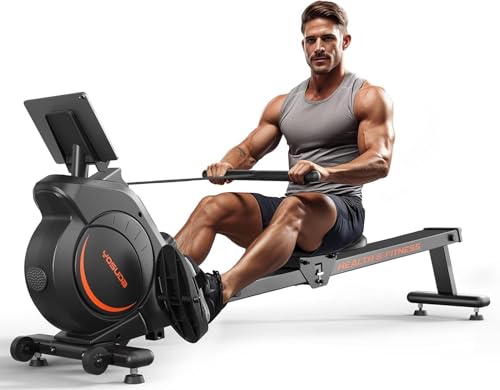
- YOSUDA Rowing Machine for Home, Magnetic Rower 16 – Best for General Home Use
- YPOO Rowing Machine, 350lb, 16-Level Magnetic, Foldable, App – Best for Plus Size Beginners
- GYMAX Rowing Machines for Home, Hydraulic Rower LCD – Best for Heavy Users and High Weight Capacity
FEIERDUN Hydraulic Rowing Machine for Home Compact

- ✓ Compact and portable
- ✓ Smooth hydraulic resistance
- ✓ Easy 5-minute setup
- ✕ Limited grip on dysregulated floors
- ✕ Smaller display and tracking
| Resistance Type | Hydraulic resistance |
| Resistance Levels | 12 levels |
| User Weight Consideration | Targeted for overweight beginners (implied robust enough for higher body mass) |
| Weight | 25.6 lbs (11.6 kg) |
| Seat and Track Comfort | Cushioned seat with smooth track for reduced joint stress |
| Assembly | Tool-free quick assembly in about 5 minutes |
You step off the mat and notice the FEIERDUN Hydraulic Rowing Machine already ready in a corner, its compact frame a surprise after lugging bigger machines around. The moment you tap the resistance dial, you feel the smooth, controlled motion that stands apart from the rattly, high-load rowers you’ve tried.
It’s quiet enough to hear the clock tick, but sturdy enough to keep your form steady as you begin.
The 12-level hydraulic system is friendlier than you expect for an overweight beginner. You can start at a gentle level and climb gradually, which makes consistency feel doable instead of daunting.
The motion follows your body’s natural line, and the cushioned seat makes longer sessions comfortable without nagging knee stress.
Setup is truly as quick as promised. In five minutes you’ve got the stabilizer bars attached, seat clicked in, pedals in place, and the monitor mounted.
No tools, no fuss, just a simple, confident start.
Portability is the unsung hero here. Weighing about 25.6 pounds, you’ll slide it into a corner or onto a closet shelf with minimal effort.
The alloy steel frame feels sturdy, yet the footprint is small enough to fit a tight apartment living room without feeling like a clumsy afterthought.
During workouts, you’ll appreciate how the track and ergonomic seat reduce tension in the back and knees. It’s a steady pace that compounds cardio with light strength work—perfect if you’re balancing nutrition goals with regular movement.
In real-world use, the FEIERDUN hits a sweet spot for beginners who want gradual progress, less joint impact, and a compact footprint. It’s not loud, it’s not bulky, and it doesn’t demand a gym-sized space to deliver results.
If you’re short on room but crave a full-body cardio option, this makes a compelling case.
Overall, you’ll find the FEIERDUN needs are clear: a gentle ramp, a comfortable ride, and a price that doesn’t require a second mortgage. It’s easy to recommend for settling into a routine without overwhelming your joints or space.
Merach RS3 Scull Rowing Machine for Simulate Real Row,

- ✓ Real-row feel
- ✓ Very quiet
- ✓ Wide exercise options
- ✕ Small footprint limit
- ✕ App learning curve
| Stroke Arc | 120° dual-oars mimic real on-water rowing |
| Resistance System | Silent magnetic with 16 levels |
| Exercise Modes | 26+ adjustable movements with interchangeable handles |
| Connectivity and App | Merach App for class selection, session logging, PR tracking and sharing |
| Integrated Training Platform | Compact cable station compatible with standard gym handles for resistance training beyond cardio |
| Weight/Footprint (inferred) | Compact home-use footprint with quiet operation suitable for overweight beginners |
The first time I unboxed the Merach RS3, the 120° stroke arc immediately stood out. Those dual oars sit flush with the frame and feel surprisingly balanced for a compact machine.
In the moment, I thought, this might actually make home cardio feel a lot less choreographed.
From day one, the feel of the row is reassuring. The magnetic resistance is quiet enough that I could train late without waking the house, yet responsive enough to notice small tempo changes.
I loved how the handle swaps snap in with a click, opening up 26+ movements in minutes.
Setting up was a breeze. A quick switch to the 26+ movement setup let me target different muscle groups without a roster of gear.
The cable station adds a new layer: I can isolate back, arms, or core without switching machines.
For someone who’s starting out overweight, the RS3 hits a sweet spot. The 16 resistance levels let you start easy and climb gradually, which keeps workouts sane and sustainable.
I found myself logging consistent sessions because it doesn’t feel like you’re fighting the machine—it feels like you’re guiding a rhythm.
The Merach app seals the deal for motivation. Class suggestions align with energy level, and PR tracking adds a subtle push to improve.
It’s not just cardio; it’s a portable gym buddy that respects your time and limits.
Overall, the RS3 is a compact, versatile option that blends real-row feel with practical training options. It’s quiet, adaptable, and surprisingly approachable for beginners who want real progress without a gym membership.
YOSUDA Rowing Machine for Home, Magnetic Rower 16
- ✓
- ✓ Quiet, apartment-friendly
- ✓ Stable, wide track
- ✓ Solid beginner guidance
- ✓
- ✕
- ✕ Basic display/readouts
- ✕ Assembly takes time
- ✕
| Resistance System | Magnetic resistance with 16 levels |
| Max User Weight Capacity | 350 pounds |
| Footprint (Dimensions) | 59 inches (L) x 19 inches (W) x 25 inches (H) |
| Seat & Glide System | PU roller seat with three large integrated wheels along the track |
| Target Muscle Engagement | Full-body workout engaging 85% of muscles (arms, legs, core, back) |
| Connectivity & Tracking | Smart app-connected with real-time metrics; includes electronic watch display (Time, Distance, TCNT, Count, Calories) |
You grip the handlebars and notice the magnetic resistance click in smoothly, and right away you feel the quiet hum of the 16-level system under the hood. That moment of near-silence is what makes the YOSUDA feel apartment-friendly from the first setup, not loud enough to wake the house but still giving you real resistance.
First stroke, the seat glides on those large three-wheel runners, lining up perfectly with the track. It feels stable, even if you’re a heavier rider starting out, and the wider track design pays off in how solid the movement feels from knee to hip.
The monitor and smart app aren’t flashy, but they’re genuinely useful. You’ll get real-time stats like time, distance, and calories, plus guided plans that are actually achievable for a beginner rebuilding stamina.
It’s nice to see progress without chasing gimmicks.
Set-up takes about 25 minutes, and you’ll appreciate the footprint: 59 by 19 by 25 inches, with storage that tucks into a corner rather than commandeering the living room. The 350-pound load limit gives you confidence to start without worrying about overloading the frame.
As you climb into a routine, the low-impact motion keeps pressure off the knees while still delivering a full-body burn. Arms, core, legs—you’re engaging a lot of muscle groups in a single fluid stroke, which makes the workouts feel efficient rather than punishing.
In short, it feels like a gentle, steady path to fitness that you can actually stick with. It’s practical, not flashy, and that’s exactly the kind of consistency a beginner needs.
Overall, the YOSUDA Rowing Machine hits the right notes for overweight beginners who want a sturdy, quiet, space-conscious rower with automatic tracking and a sensible resistance range. It’s not about hype; it’s about real, repeatable workouts you can keep up week after week.
YPOO Rowing Machine, 350lb, 16-Level Magnetic, Foldable, App

- ✓ Quiet operation
- ✓ Sturdy for bigger users
- ✓ Easy storage
- ✕ App setup could be smoother
- ✕ Limited on-board metrics
| Maximum User Weight Capacity | 350 lbs |
| Resistance System | Magnetic, 16 levels with 99 lbs achievable resistance, <25 dB operation |
| Foldable / Space-Saving | Compact footprint of 2.9 sq ft; vertical storage with transport wheels, ~70% space savings when not in use |
| Rail / Seat Layout | 46-inch dual slide rails; adjustable seat; textured non-slip handle |
| User Height Range | Suitable for users 4’5″ to 6’3″ tall |
| Display & Connectivity | LCD monitor tracking Time, SPM, Distance, Calories, Count; app compatibility with YPOOFIT and Kinomap |
You double-checked the hallway mirrors, weighed down by a heavy desk chair and that stubborn mindset telling you cardio isn’t for you. The YPOO Rowing Machine suddenly feels like a kinder path forward: a 350 lb-capable frame that doesn’t scream “gym intimidation.” When I set it up, the 46” dual slide rails glided smoothly, and the 6.5% incline gave a surprisingly realistic uphill feel without jarring my joints.
First morning session, I started with level 3. The noise stayed under 25dB, so you could actually hear your own breathing rather than a clanging fan belt.
That quiet resistance made it easy to keep a steady pace without waking the house or disturbing a sleeping kid in the next room.
The seat is firm but forgiving, and the textured handle stayed grippy even when my palms got sweaty. The foot straps stayed in place, and I appreciated the built-in water bottle holder within easy reach.
I didn’t have to pause to adjust gear, which is exactly what you want on a busy day.
The LCD display shows Time, SPM, Distance, Calories, and Count, which is enough to stay motivated without drowning you in metrics. Pairing with YPOOFIT or Kinomap felt seamless, so I could follow guided workouts or virtual routes while catching up on a podcast.
The tablet holder angle adjustment is a small win you’ll notice when you’re trying to read a workout cue mid-sesh.
Storage in a small apartment is a real benefit here. The machine folds and can stand vertically, saving space and leaving room for a quick coffee break before your next set.
All in all, it handles big bodies and beginner energy with a calm, supportive vibe you actually look forward to using.
Bottom line: if you want a low-noise, roomy, beginner-friendly rower that grows with you, this one checks a lot of boxes without feeling like a gadget you’ll outgrow.
GYMAX Rowing Machines for Home, Hydraulic Rower LCD

- ✓ Easy setup
- ✓ Smooth motion
- ✓ Stable and strong
- ✕ Basic monitor features
- ✕ Hydraulic feel may vary
| Resistance System | Adjustable hydraulic resistance with release knob; maximum resistance 110 lbs |
| Display | LCD monitor showing time, count, calories, distance, and total counts |
| Frame Construction | Steel frame with four anti-skid pads at the base; supported user weight up to 265 lbs |
| Seat and Pedals | Padded seat; oversized textured foot pedals with hook-and-loop adjustable straps |
| Motion and Range | Full-motion arms with smooth ball-bearing roller system for a full-body rowing motion |
| Assembly and Fitment | 6-step setup process with accompanying detailed instructions available on product page |
You notice it the moment you pull the GYMAX rower off the box: the oversized pedals and textured straps shout “easy stability.” It’s not a sleek, space-age machine like some compact rowers, but you’ll feel the difference in moments of setup and your first few strokes. The build feels sturdy enough to trust during a serious session, yet friendly enough for a beginner who’s easing into form.
First thing you’ll appreciate is how the full-motion arms move with you, not against you. The ball-bearing rollers keep the motion smooth as you settle into a natural rowing tempo.
It’s a modestly fluid feel, closer to real water rowing than I expected from a hydraulic design.
Setup is genuinely simple: six steps and you’re ready. The instruction details on the product page are actually helpful, not just filler text.
The height of the seat and the padding make a noticeable difference after longer sessions, keeping tailbone pressure during those repeated pulls to a minimum.
The hydraulic resistance is easy to adjust with a quick twist of the release knob. You can dial up to 110 lbs of resistance, which is plenty for a beginner and scalable as you gain confidence.
It’s quiet enough for early morning workouts without waking the house.
The LCD monitor keeps track of time, count, calories, distance, and total counts. It’s straightforward to read, and those data points help you plan a progressive routine without guessing.
The steel frame feels solid, and the four anti-skid pads keep the base planted on hardwood or carpet alike.
For overweight beginners, the design pulls its weight when you’re worried about joint comfort and long sessions. The padded seat and secure straps help you stay in proper form while you focus on breathing and pace.
It’s a dependable, no-nuss machine that helps you show up consistently.
Overall, you’re getting a sturdy, user-friendly rower that adapts as you grow. It won’t pretend to be a high-end machine, but it delivers real value for the price and your goals.
What Should Overweight Beginners Look for in a Rowing Machine?
Overweight beginners should consider several key features when selecting a rowing machine to ensure comfort, safety, and effective workouts.
- Weight Capacity: Choose a rowing machine that can comfortably support your weight. Many machines have a specified weight limit, typically ranging from 250 to 500 pounds, which is crucial not only for safety but also for ensuring the machine performs optimally during use.
- Seat Comfort: Look for machines with a well-padded, ergonomic seat that provides adequate support. A comfortable seat is essential for longer workouts, as it helps prevent discomfort and promotes proper posture while rowing.
- Adjustable Resistance: Opt for a rowing machine that offers adjustable resistance levels. This feature allows beginners to start at a lower intensity and gradually increase the challenge as their fitness level improves, making workouts more manageable and effective.
- Stability and Build Quality: A sturdy and stable frame is necessary, especially for heavier users. Machines made from high-quality materials will not only last longer but also provide a safer and more stable workout experience, minimizing the risk of injury.
- Footplate Design: Ensure the machine has adjustable footplates with secure straps. Proper foot placement is crucial for effective rowing technique and can help reduce the risk of injury, allowing for a more controlled and powerful stroke.
- Size and Storage: Consider the machine’s size and whether it can be easily stored. Some rowing machines offer foldable designs, which are ideal for beginners with limited space, allowing them to store the equipment conveniently when not in use.
- Monitor Features: Look for a rowing machine with a clear display that tracks essential metrics such as time, distance, strokes per minute, and calories burned. Having access to this data can help beginners stay motivated and monitor their progress over time.
Which Key Features Make a Rowing Machine Suitable for Overweight Beginners?
The key features that make a rowing machine suitable for overweight beginners include:
- Weight Capacity: A higher weight capacity ensures that the machine can accommodate heavier users safely and securely.
- Adjustable Resistance: This feature allows beginners to start at a comfortable level and gradually increase difficulty as their fitness improves.
- Comfortable Seat and Ergonomics: A well-padded seat and ergonomic design reduce discomfort during workouts, encouraging longer sessions.
- Stability and Durability: A sturdy frame provides safety and durability, ensuring the machine remains stable during vigorous rowing sessions.
- Monitor and Feedback Features: A user-friendly display that tracks metrics like time, distance, and calories burned can help beginners stay motivated and monitor their progress.
- Compact Design: Foldable or space-efficient designs are beneficial for those with limited space, making it easier to store the machine when not in use.
Weight Capacity: A rowing machine with a high weight capacity is essential for overweight beginners, as it ensures safety and stability during workouts. Machines that can support higher weights typically have reinforced frames and components designed to withstand greater stress.
Adjustable Resistance: Adjustable resistance allows users to customize their workouts according to their fitness levels. Beginners can start with lighter resistance to build confidence and technique, then gradually increase the resistance as they grow stronger and more comfortable with their rowing form.
Comfortable Seat and Ergonomics: A rowing machine designed with comfort in mind features a padded seat and an ergonomic handle to prevent strain on the back and hands. This is especially important for beginners who may not be accustomed to long periods of exercise, as it can help them sustain their workouts and avoid injury.
Stability and Durability: Stability is critical for overweight beginners to ensure that the machine does not wobble or tip during use. A durable frame, often made from high-quality materials, guarantees that the rowing machine can withstand repeated use without compromising safety.
Monitor and Feedback Features: An effective monitor can enhance the workout experience by providing real-time feedback on performance metrics such as stroke count, time, and calories burned. This information is crucial for beginners to set goals and stay motivated as they track their progress over time.
Compact Design: For those who may not have ample space for a rowing machine, a compact design that can be easily folded or stored is advantageous. This feature allows users to integrate the machine into their homes without it becoming a permanent fixture, making it more appealing for beginners who may be hesitant to commit to a large piece of equipment.
How Does Weight Capacity Influence the Choice of Rowing Machine?
The weight capacity of a rowing machine is a crucial factor for overweight beginners as it ensures safety, durability, and effective workouts.
- Durability: A rowing machine with a higher weight capacity is typically built with more robust materials, which can withstand the stress of heavier users. This durability translates into a longer lifespan for the machine, making it a wise investment for beginners who may be concerned about equipment longevity.
- Safety: Ensuring that the rowing machine can safely accommodate the user’s weight is paramount. Machines with inadequate weight limits may pose risks such as breaking or malfunctioning during use, which can lead to injuries, especially for beginners who may not be familiar with proper rowing techniques.
- Stability: A rowing machine with a higher weight capacity often provides better stability during workouts. This stability is important for overweight beginners who may require a more secure platform to feel confident while exercising, allowing them to focus on their form and technique without fear of the machine tipping or shifting.
- Comfort: Many rowing machines designed for higher weight capacities also feature wider seats and larger footrests, which can enhance comfort for larger users. Comfort is crucial for beginners, as it encourages longer and more frequent workouts, contributing to better fitness outcomes.
- Adjustability: Machines that can support higher weight limits often come with adjustable features, such as resistance levels and seat positions. This adaptability allows overweight beginners to tailor their workouts to their fitness levels and progress gradually without feeling overwhelmed.
What Are the Most Beginner-Friendly Resistance Types Available?
The most beginner-friendly resistance types for rowing machines include:
- Air Resistance: This type of resistance is generated by a fan that creates wind resistance as you row. It offers a smooth and natural rowing experience, making it ideal for beginners who want to focus on form and technique while easily adjusting the intensity by rowing faster or slower.
- Water Resistance: Water resistance rowing machines use a tank filled with water, where paddles create resistance as they move through the water. This type mimics the feel of rowing on water and provides a consistent level of resistance that can be very rewarding for beginners, as it feels more intuitive and is less intimidating.
- Magnetic Resistance: Magnetic resistance systems use magnets to create resistance, which can be adjusted electronically or manually. This type is quiet and provides a smooth, low-impact workout, making it suitable for overweight beginners who may be concerned about noise or joint strain.
- Hydraulic Resistance: Hydraulic resistance uses pistons filled with fluid to create resistance and is often found in compact rowing machines. These machines can be more affordable and take up less space, making them great for beginners with limited room, though the resistance may not feel as natural as air or water options.
What Benefits Can Overweight Beginners Expect from Using a Rowing Machine?
Overweight beginners can expect several benefits from using a rowing machine, which can enhance their fitness journey.
- Full-Body Workout: Rowing machines engage multiple muscle groups, including the legs, arms, back, and core. This comprehensive engagement allows users to build strength and endurance simultaneously, making it an efficient workout for beginners.
- Low Impact on Joints: Unlike high-impact exercises, rowing provides a smooth, gliding motion that reduces stress on the joints. This makes it an ideal choice for overweight individuals who may be concerned about joint pain while exercising.
- Caloric Burn: Rowing is an effective cardiovascular exercise that can help beginners burn a significant number of calories in a relatively short time. This can aid in weight loss and improve overall fitness levels, which is especially beneficial for those starting their fitness journey.
- Improved Cardiovascular Health: Regular use of a rowing machine can enhance heart and lung function, leading to better cardiovascular health. Over time, this can result in increased stamina and reduced risk of heart-related issues.
- Customizable Workouts: Many rowing machines come with adjustable resistance levels, allowing beginners to tailor their workouts based on their current fitness levels. This adaptability helps beginners progress at their own pace and avoid injury.
- Convenient and Accessible: Rowing machines can be used at home or in a gym, making them accessible for individuals who may not wish to participate in outdoor activities. This convenience can help beginners maintain consistency in their workout routines.
- Motivational Tracking Features: Many modern rowing machines are equipped with performance monitors that track metrics such as distance, time, and calories burned. This can provide immediate feedback and motivate beginners to set and achieve fitness goals.
What Are the Top Rowing Machines Recommended for Overweight Beginners?
The best rowing machines for overweight beginners are designed to provide comfort, stability, and effective workouts while accommodating varying fitness levels.
- Concept2 Model D: This machine is well-regarded for its durability and smooth operation, featuring an adjustable seat height and a weight capacity of up to 500 pounds.
- WaterRower Natural Rowing Machine: It offers a unique water resistance system that mimics the feel of rowing on water, making it an excellent choice for beginners with its gentle resistance and sturdy construction.
- Sunny Health & Fitness SF-RW5515: An affordable option with a solid frame, it boasts a weight capacity of 250 pounds and provides adjustable resistance, making it suitable for gradual progression.
- Stamina Body Trac Glider 1050: Compact and lightweight, this machine is ideal for those with limited space, featuring a weight capacity of 250 pounds and a user-friendly design that encourages proper form.
- ProForm 750R Rower: This model combines a sturdy build with advanced features, including adjustable resistance and a comfortable seat, accommodating users up to 250 pounds, making it beginner-friendly.
Concept2 Model D: This rowing machine is known for its exceptional build quality and performance. It features a user-friendly PM5 performance monitor that tracks your progress and can connect to various fitness apps, making it suitable for beginners looking to set and achieve goals. The ergonomic design and adjustable footrests ensure comfort during longer workout sessions, which is particularly important for overweight users.
WaterRower Natural Rowing Machine: The WaterRower stands out due to its aesthetically pleasing wooden frame and water resistance system, which provides a smooth and quiet rowing experience. It allows users to adjust resistance by simply rowing harder or softer, making it intuitive for beginners. The natural wood also provides excellent stability and support, catering to heavier users.
Sunny Health & Fitness SF-RW5515: This model is a budget-friendly option that does not compromise on quality. It features a comfortable seat and handles, along with a sturdy frame that can support users weighing up to 250 pounds. The adjustable resistance levels allow beginners to gradually increase their intensity, making it easier to build strength and endurance over time.
Stamina Body Trac Glider 1050: This compact rowing machine is ideal for users with limited space, as it can easily be stored away when not in use. Despite its small size, it offers a solid construction and a weight capacity of 250 pounds, which is suitable for many beginners. Its unique design promotes proper rowing form, helping users to engage the right muscles effectively.
ProForm 750R Rower: The ProForm 750R is an excellent choice for beginners, featuring a comfortable seat and adjustable resistance that allows for personalized workouts. It also includes a built-in display to track workout metrics, such as time, distance, and calories burned. With a weight capacity of 250 pounds, it caters to a wider range of users, ensuring that beginners can enjoy a supportive and effective workout experience.
How Can Overweight Beginners Maximize Their Rowing Workouts Safely?
Listening to Your Body: It’s important for beginners to pay attention to their body’s signals and adjust their workouts accordingly to avoid injury. Recognizing signs of fatigue or discomfort and allowing adequate rest days can prevent overtraining. Beginners should not hesitate to modify workouts based on their physical condition to ensure sustained progress and enjoyment of the activity.
What Are the Best Practices for Proper Form and Technique on a Rowing Machine?
Best practices for proper form and technique on a rowing machine are essential for maximizing efficiency and preventing injuries.
- Posture: Maintaining a strong and aligned posture is crucial. Sit up straight with your shoulders back and your core engaged to prevent slouching, which can lead to back strain and ineffective rowing.
- Foot Placement: Properly secured feet in the foot straps help maintain stability. Ensure that your heels are down and the straps are snug across the top of your feet, allowing for a full range of motion without slipping.
- Grip on the Handle: Use a relaxed grip on the handle, with your wrists straight. This prevents unnecessary tension in your forearms and hands, allowing for a smoother and more controlled stroke.
- Stroke Technique: Focus on the sequential phases of the stroke: the catch, drive, finish, and recovery. Starting with a powerful leg drive, transitioning to the back and arms smoothly, and then controlling the return helps in building strength and endurance effectively.
- Breathing: Maintain a rhythmic breathing pattern throughout your workout. Inhale during the recovery phase and exhale during the drive phase, which can help optimize performance and maintain stamina.
- Warm-Up and Cool Down: Always include a warm-up and cool down in your routine. Warming up prepares your muscles and joints for exercise, while cooling down helps in recovery and reduces soreness.
- Monitor Resistance Levels: Start with a lower resistance to focus on form before increasing intensity. This gradual approach allows beginners to build confidence and strength without overexerting themselves.
- Consistency: Regular practice is key to improving technique. Set a schedule that allows for consistent training sessions, gradually increasing duration and intensity as your fitness level improves.